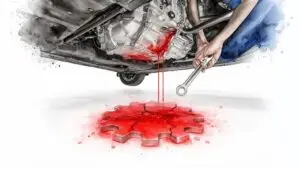

Seeing a reddish puddle under your car is an immediate red flag. That fluid is often from your power steering system, and what causes power steering fluid to leak usually comes down to three culprits: worn-out seals, cracked high-pressure hoses, or a failing power steering pump. Ignoring that spot on your Haltom City driveway can quickly make your car a real handful to steer, turning a small fix into a dangerous and expensive problem.
Why Is Your Car Leaking Reddish Fluid?
Finding a puddle of any kind under your car on a Haltom City driveway is unsettling. When that spot has a reddish or pinkish-brown tint, it almost always points to an issue with either your power steering or transmission system. Since both use hydraulic fluids that look alike, figuring out the source is your top priority.
Think of power steering fluid as the muscle that makes turning your steering wheel feel effortless. A leak means this vital fluid is escaping, and the system can't build up the hydraulic pressure needed to help you out. The first signs are often subtle—maybe a whining or groaning sound when you turn the wheel, or steering that feels unusually stiff in a Haltom City parking lot.
Identifying the Seriousness of the Leak
The moment you spot a reddish fluid leak, you need to play detective. Is it just a few drops, or are you looking at a significant puddle? A small drip might not feel like an emergency, but it's a clear warning sign of a part that's failing and will only get worse. Here in Haltom City, the intense Texas summer heat can speed up the breakdown of rubber hoses and seals, turning a tiny leak into a major headache in no time.
This flowchart is a great way to visualize what to do next.

Simply put, a reddish puddle under your car means it's time to act. Don't wait. It’s a clear signal that you need a professional inspection to head off more serious damage.
To help you quickly sort through the possibilities, here’s a table outlining the most common leak sources.
Quick Guide to Power Steering Leaks
| Common Cause | What to Look For | Recommended Action |
|---|---|---|
| Hose/Line Failure | Cracks, brittleness, or visible fluid seeping from rubber or metal lines. Often worse in hot weather. | Urgent. A burst hose can cause a sudden loss of steering assist. Get it inspected immediately. |
| Worn Seals | Leaks around the steering rack, pinion seal, or where hoses connect to the pump. | Act Soon. A slow leak will get worse. Monitor fluid levels and schedule a repair. |
| Pump Failure | Whining noises, fluid leaking directly from the pump body, or a seized pulley. | Urgent. A failing pump will leave you with no power steering and can damage the belt. |
| Cooler/Connections | Fluid drips from the front of the car near the radiator, especially from corroded lines or loose fittings. | Act Soon. Less common, but still needs attention before it gets worse. |
This table is a starting point, but a hands-on diagnosis from a trusted Haltom City mechanic is the only way to be certain.
Key Takeaway: Power steering fluid doesn’t just “get used up.” If the level is low, it’s because there is a leak somewhere in the system. Simply topping it off is a temporary fix that masks a potentially dangerous problem.
While this guide zeroes in on power steering, remember that transmission fluid leaks can look very similar. If you’re not sure where the leak is coming from, our Haltom City technicians can pinpoint the problem for you. You can also get more details on what causes transmission fluid to leak in our related article. A professional diagnosis is always the best way to keep your vehicle safe and reliable on Haltom City roads.
The Hidden Failure of Worn Seals and Gaskets
Think of the seals and gaskets in your power steering system as the unsung heroes holding back a tidal wave of pressure. These small rubber parts have a massive job: containing hydraulic fluid that can spike to pressures as high as 2,500 PSI. But after thousands of miles and countless turns, these tiny guardians start to break down, becoming a top reason for power steering fluid leaks.
For drivers here in Haltom City, this is a familiar story, especially if your car is pushing past 80,000 miles. Our intense Texas heat is brutal on rubber components, causing them to lose their flexibility, crack, and shrink over time. It’s this wear and tear that creates the perfect escape route for high-pressure fluid.
A tiny, seemingly insignificant seal failure is often the first domino to fall. Catching it early can be the difference between a simple fix and replacing an entire power steering pump or steering rack.
When a seal inside the power steering pump or the steering rack finally gives way, fluid makes a slow but steady escape. You might not even see a puddle at first, but your system is losing its lifeblood. This is what causes those classic symptoms—that groaning or whining noise when you turn the wheel and steering that suddenly feels heavy and stiff.
Pinpointing the Source of the Leak
Figuring out exactly which seal has failed is the key to a proper repair. A reddish puddle under your car is the most obvious clue, but tracing it back to the source can be a real challenge.
- Pump Shaft Seal: If this seal is the culprit, you’ll often see fluid dripping from the front of the power steering pump. Sometimes, it even gets flung onto nearby belts and pulleys, creating a mess.
- Rack and Pinion Seals: These are much tougher to spot. A leak here usually means fluid dripping from the center of your car. You might also find fluid pooling inside the rubber accordion-like boots on each end of the steering rack.
- O-Ring Seals: Every spot where a hose connects to the pump or rack is sealed by a small O-ring. Over time, these can flatten and degrade, leading to slow, pesky seeps right at the connection points.
Service data from across the auto industry confirms it: one of the most common causes of power steering fluid leaks is worn seals in the pump and steering rack. The problem is made even worse by years of heat cycles and constant use. These seals typically have a lifespan of 80,000 to 120,000 miles, but failure rates can jump by as much as 35% in cars over 10 years old or those that have endured many scorching Haltom City summers. You can discover more insights about these common failure points on GreatWater360AutoCare.com.
While these seals are a major source of power steering leaks, don’t forget that gaskets do a similar job preventing leaks elsewhere in your engine. For more on that, take a look at our guide on what to do when you have a gasket leaking oil. Our diagnostic process is built to find these exact failure points, allowing for a precise repair that saves you from a much bigger headache—and a much bigger bill—down the road.
When Hoses and Lines Fail Under Pressure
Think of the hoses and lines in your power steering system as the circulatory system for your car’s steering. These flexible rubber hoses and sturdy metal lines are constantly working, moving high-pressure hydraulic fluid from the pump to the steering rack so you can turn the wheel with just a little effort. It’s a tough job, though. They’re tucked away in the engine bay, constantly battling intense heat, vibrations, and massive pressure changes.
Over the years, that constant stress starts to add up. The rubber hoses, in particular, begin to lose their flexibility. They get hard and brittle, especially with the kind of temperature extremes we see right here in the Haltom City area. Once they harden, it’s only a matter of time before small cracks, pinhole leaks, or weak spots start to form.

This slow but steady breakdown is one of the most common answers to the question, “what causes power steering fluid to leak?” The first signs might not seem like much, but they’re your car’s way of telling you something’s wrong.
Recognizing the Signs of Hose Failure
Catching a failing hose before it completely blows out can save you from a dangerous situation. A total rupture means you’ll lose your power steering assist in an instant, and wrestling the steering wheel suddenly becomes a serious workout. Here’s what you should be on the lookout for:
- Visible Drips: Seeing reddish or brownish puddles on your Haltom City driveway, usually near the front of the car, is a classic sign. The hoses snake around the engine, so that’s where the fluid tends to pool.
- A Burning Smell: Power steering fluid has a unique, sharp smell when it burns. If a hose is leaking onto a hot part of the engine, like the exhaust manifold, you’ll definitely notice it.
- Stiff Steering: As the fluid level drops, so does the hydraulic pressure. This makes the steering wheel feel heavy and sluggish, especially when you’re trying to park or make slow turns.
For those of us driving around Haltom City, there’s another culprit: road debris. All the gravel and small rocks kicked up by traffic can physically nick or gouge the lines, creating weak spots that eventually become full-blown leaks.
Crucial Insight: Damaged or cracked power steering hoses are the second biggest reason for fluid leaks. These critical lines are under constant assault from high pressure and the elements, often becoming brittle and giving out somewhere between 50,000-100,000 miles. Recent service data reveals that hose failures account for 42% of all power steering leaks. On popular trucks like the F-150s and Silverados—a common sight on Haltom City roads—some reports show hoses are the culprit in as many as 60% of cases. You can learn more about steering fluid leak findings from AutoZone.
Our Haltom City technicians know exactly where to look for these issues during an inspection. We carefully trace both the high-pressure and low-pressure lines, feeling for any brittleness, swelling, or tell-tale damp spots that signal a leak is on its way. Finding it early means we can fix it before it leaves you in a bind.
The Power Steering Pump: The Heart of the System
If your power steering system has a heart, it’s the pump. This hardworking component is responsible for generating the hydraulic pressure that makes turning that big, heavy steering wheel feel like a breeze. So when it starts to fail, you’ll notice it right away—often in the form of a reddish fluid puddle that signals a serious problem with your car’s handling.
Leaks can spring directly from the pump itself. Its internal parts are under constant pressure and, over time, they simply wear out. The usual suspects include the pump’s main housing, the shaft seal where the pulley spins, or the internal gaskets that are supposed to keep everything sealed tight. Heat and relentless use eventually cause these components to degrade.

Listen for the Telltale Noises
A failing pump usually doesn’t suffer in silence. Pay close attention to any groaning, whining, or moaning sounds, especially if they get louder when you turn the wheel. That’s a classic sign of a pump that is literally starving for fluid. The sound you’re hearing is air being sucked into the system through the leak—a definite cry for help from your car.
Critical Warning: Running your power steering pump dry is one of the worst things you can do. Without fluid for lubrication, the pump will quickly overheat and seize. When that happens, you lose all steering assist suddenly, which is incredibly dangerous. This mistake can turn a simple leak repair into a much more expensive full pump replacement.
A worn-out power steering pump is a very common source of leaks. We find that wear and tear really starts to pick up after 75,000 miles or about 7-10 years of driving, accounting for an estimated 25-30% of all power steering failures. For Haltom City drivers, where logging 15,000+ miles a year is the norm, our intense summer heat can increase the odds of pump failure by up to 18%.
Here at Express Lube & Car Care, our Haltom City technicians know exactly what to look for. We’ll perform a thorough diagnosis to pinpoint the source of the leak. In some cases, just replacing a seal will do the trick. Other times, the internal damage is too severe, and replacing the entire pump is the only way to guarantee your safety. We’ll always provide an honest recommendation to get you back on the road. If you’re experiencing these issues, you can also learn more about power steering problems and symptoms from our comprehensive guide.
DIY Checks Versus a Professional Diagnosis
So, you’ve spotted that reddish puddle in your Haltom City driveway. It’s natural to want to play detective and figure out what’s going on. And honestly, there are a few simple checks you can do right at home that can give you—and a future technician—some great clues about the leak’s cause.
First, take a look at the power steering fluid in its reservoir. When it’s healthy, the fluid should be a clear reddish or pink color. If it looks more like dark brown or even black coffee, that’s a big red flag for contamination and internal wear. Also, pay attention to where the puddle is forming. Is it directly under the engine where the pump is, or is it further back, more toward the center of the car? This detail can help point a mechanic in the right direction.
When to Call the Professionals
While a quick look can tell you a lot, a driveway inspection can only take you so far. Your power steering system is a high-pressure, surprisingly complex network. Finding the true source of a leak—whether it’s a tiny pinhole in a hidden hose, a worn-out seal deep inside the steering rack, or a hairline crack in the pump’s body—really requires a trained eye and the right equipment.
A professional diagnosis goes beyond just finding the drip. It’s about figuring out why the component failed in the first place to make sure the repair actually lasts and another problem isn’t just around the corner.
Our certified Haltom City technicians have a few tried-and-true methods to get a definitive answer.
- Pressure Testing: We can safely pressurize the entire system, mimicking the force it’s under while you’re driving. This makes even the tiniest, most elusive leaks show themselves.
- UV Dye Inspection: This is a classic for a reason. We add a special fluorescent dye to the power steering fluid and then use a blacklight to trace the glowing trail right back to its source.
- Component Inspection: We’ll do a full visual and physical check of every hose, seal, the pump, and the steering rack, looking for the tell-tale signs of aging, brittleness, and damage that you might not spot otherwise.
Taking these steps is essential for an accurate diagnosis. To see more about our methodical process, you can learn how we diagnose vehicle problems and ensure we get it right the first time. A thorough approach like this doesn’t just fix the car; it gives you the confidence that your vehicle is safe and dependable on the road.
Your Guide to Power Steering Leaks
Finding a puddle of reddish fluid under your car is never a welcome sight. It’s natural to have questions racing through your mind about safety, how much a repair will cost, and what you should do next. If you’re a driver here in Haltom City, getting straight answers is the first step to making a smart decision. This guide will walk you through the most common concerns.
How Much Does It Cost to Fix a Power Steering Leak in Haltom City?
This is usually the first question on everyone’s mind, and the honest answer is: it really depends on what’s broken. The cost to fix what causes a power steering fluid leak varies wildly based on which part has given up. A simple hose fix is a world apart from replacing the entire steering rack.
Here’s a general idea of what you can expect for repairs in Haltom City:
- Hose Replacement: A cracked or leaky hose is usually the most straightforward fix. You’re typically looking at a cost between $200 and $500.
- Pump Replacement: If the power steering pump itself is the culprit, the repair is more involved. Costs for parts and labor can range from $500 to $900.
- Steering Rack Replacement: A leak coming from the steering rack is the most complex and expensive job. This kind of repair often lands between $1,000 and $2,500.
Of course, we never start any work without giving you a detailed, transparent estimate first. After a proper diagnosis, you’ll know the exact cost upfront.
Is It Safe to Drive with a Power Steering Fluid Leak?
In a word, no. Driving with a known power steering leak is a gamble. A small, manageable leak can suddenly become a major failure without any warning, causing a complete loss of power steering assistance.
When that happens, turning the steering wheel becomes a serious workout, especially at low speeds or while trying to park in a busy Haltom City lot. It’s a huge safety risk for you and everyone else on the road. If you even suspect a leak, the smartest and safest move is to get your vehicle checked by a professional right away.
Can I Just Keep Adding Fluid Instead of Fixing the Leak?
This is a tempting thought, but it’s a classic case of being penny-wise and pound-foolish. Topping off the fluid is just a temporary band-aid, not a long-term solution. It might seem like a cheap way out, but it ignores the real problem and sets you up for much bigger trouble down the road.
Think of it this way: constantly running on low fluid lets air into the power steering system. That air will quickly churn and burn out the pump. Your “quick fix” of adding fluid inevitably turns a simple leak repair into a far more expensive pump replacement. Fixing the leak properly is always the safer and more cost-effective choice for any Haltom City driver.
How Often Should I Get My Power Steering System Checked?
A little prevention goes a long way in avoiding unexpected and expensive headaches. We strongly recommend having your power steering system inspected during your regular oil changes, or at the very least, once a year.
Our comprehensive vehicle inspections cover all the vital fluids and we keep a sharp eye out for early signs of wear on hoses and seals. This proactive approach helps drivers in Haltom City catch small issues before they snowball into major repairs, keeping your car reliable and safe.
If you’re spotting reddish fluid under your car or the steering just doesn’t feel right, don’t wait for the problem to escalate. At Express Lube and Car Care, our certified technicians in Haltom City will pinpoint the exact cause and give you a clear, honest repair plan to get you back on the road safely. Schedule your inspection today and get peace of mind.