
Taking a few minutes for effective battery terminal corrosion prevention can save you a massive headache down the road, especially here in Haltom City. It's really about creating a protective barrier with something like dielectric grease or an anti-corrosion spray. This simple step blocks moisture and acidic fumes from ever touching the metal terminals, stopping that power-sapping buildup before it even gets a chance to form.
Why Battery Corrosion Is More Than Just an Eyesore
We’ve all seen it: that crusty, fuzzy white or blue gunk creeping over battery terminals. You might be tempted to ignore it, but this isn't just a cosmetic problem. It's a direct threat to your car's ability to start, and frankly, a common reason people get stranded in and around Haltom City.
That buildup is the result of a basic chemical reaction. Your battery naturally vents a tiny amount of hydrogen gas, and when that gas meets moisture in the air and the metal on your terminals, it creates corrosion. This crusty layer acts as an insulator, effectively choking the flow of electricity from your battery to the rest of your car.
The Haltom City Climate Connection
Here in the Fort Worth area, our climate is practically a perfect storm for battery corrosion. The intense summer heat makes the battery "breathe" or gas out more, while our famous humidity provides the other key ingredient for that chemical reaction to take off.
For anyone driving around Haltom City, this means your battery terminals are under constant attack. A minor issue in a drier, cooler state can quickly turn into a no-start situation right here at home on East Belknap or Denton Highway.
When you let this buildup go unchecked, the consequences are always frustrating and can get expensive. You'll likely start noticing symptoms like:
- Weak or slow engine cranking, where the car sounds like it's struggling to turn over.
- Dimming headlights and interior lights, especially when you're stopped at a light.
- A complete failure to start, leaving you stuck in your driveway or a parking lot.
- Extra strain on your alternator, which has to work overtime to charge a battery it can't get a good connection to.
This isn't a rare problem, either. Some studies have shown that up to 70% of all car battery failures can be traced back to corrosion, causing starting trouble in roughly 1 in 5 vehicles every year.
Here's something we see a lot in our Haltom City shop: the problem is often made worse by a struggling alternator. Data suggests that in as many as 40% of corrosion cases, the root cause is an overcharging alternator, a problem that really spikes during our hot Texas summers.
Before you find yourself dealing with a dead battery, it helps to know what you’re looking for. A quick visual check can tell you a lot.
Signs of Battery Corrosion vs a Healthy Battery
This table breaks down the key differences between a battery that’s developing issues and one that’s in good shape. It’s a quick diagnostic tool for any Haltom City car owner.
| Symptom | Sign of Corrosion | Indicator of a Healthy Battery |
|---|---|---|
| Visual Appearance | White, blue, or greenish powdery substance on terminals, posts, or cables. | Clean, metallic gray or silver terminals with no visible buildup. |
| Engine Starting | Slow, sluggish engine crank or a clicking sound with no start. | Engine cranks over quickly and starts without hesitation. |
| Electrical Performance | Headlights and interior lights may dim, especially at idle. | Consistent and bright lights with no flickering. |
| Physical Connection | Cable clamps may feel loose or have visible buildup underneath. | Cable clamps are tight and make solid contact with the battery posts. |
Seeing any of the signs in the "Sign of Corrosion" column is your cue to take action. If the corrosion is advanced or you’re dealing with more than just a simple cleaning, you might be looking at a more complex fix. For those deeper issues, you might find our guide on how to repair a car battery useful. For a complete picture of the causes, it's worth understanding car battery corrosion in more detail.
How to Safely Clean Corroded Battery Terminals
If you’ve popped the hood and seen that familiar white or blue-green crust building up on your battery terminals, it’s time for a cleaning. Don't be intimidated; this is a very manageable DIY job that can make a huge difference in your car's reliability. It’s less about being a master mechanic and more about being safe and methodical.
First things first: safety. Before you lay a wrench on anything, grab a pair of protective gloves and some safety glasses. That crusty stuff is a mix of dried sulfuric acid and other compounds that you definitely don't want on your skin or in your eyes. It’s also smart to work in a well-ventilated spot, like your driveway or an open garage in your Haltom City home, to let any fumes air out.
Getting Started: Disconnecting the Battery
To do a proper deep clean, you have to disconnect the battery cables from the terminals. The order you do this in is incredibly important for safety.
- Always start with the negative (-) terminal. It's usually marked with a "NEG" or "-" symbol and has a black cable. Loosen the nut on the clamp.
- Once it's loose, give the cable a little twist and pull it straight up off the battery post. Be sure to tuck it away so it can't flop back and touch the terminal.
- Now, you can do the same for the positive (+) terminal, which is typically red and marked with a "POS" or "+" symbol.
Why this order? The negative cable connects the battery to the car's metal frame, grounding the whole system. By disconnecting it first, you break the circuit. This prevents any sparks or short circuits if your metal wrench accidentally touches the car's frame while you're working on the positive terminal. It's a simple rule that prevents a lot of headaches.
The Cleaning Process
Now for the satisfying part. You don't need fancy chemicals; a simple homemade paste works wonders. Just mix a couple of tablespoons of baking soda with a little warm water in a small cup until you have a paste.
Grab an old toothbrush or a dedicated battery-cleaning brush and slather that paste all over the corroded terminals and cable clamps. You'll see it start to fizz and bubble immediately—that's the baking soda neutralizing the acid. It’s like a mini science fair project right under your hood. Give everything a good scrub, focusing on getting all the buildup off the posts and especially inside the cable clamps. A small wire brush is perfect for getting those metal surfaces shiny and clean again.
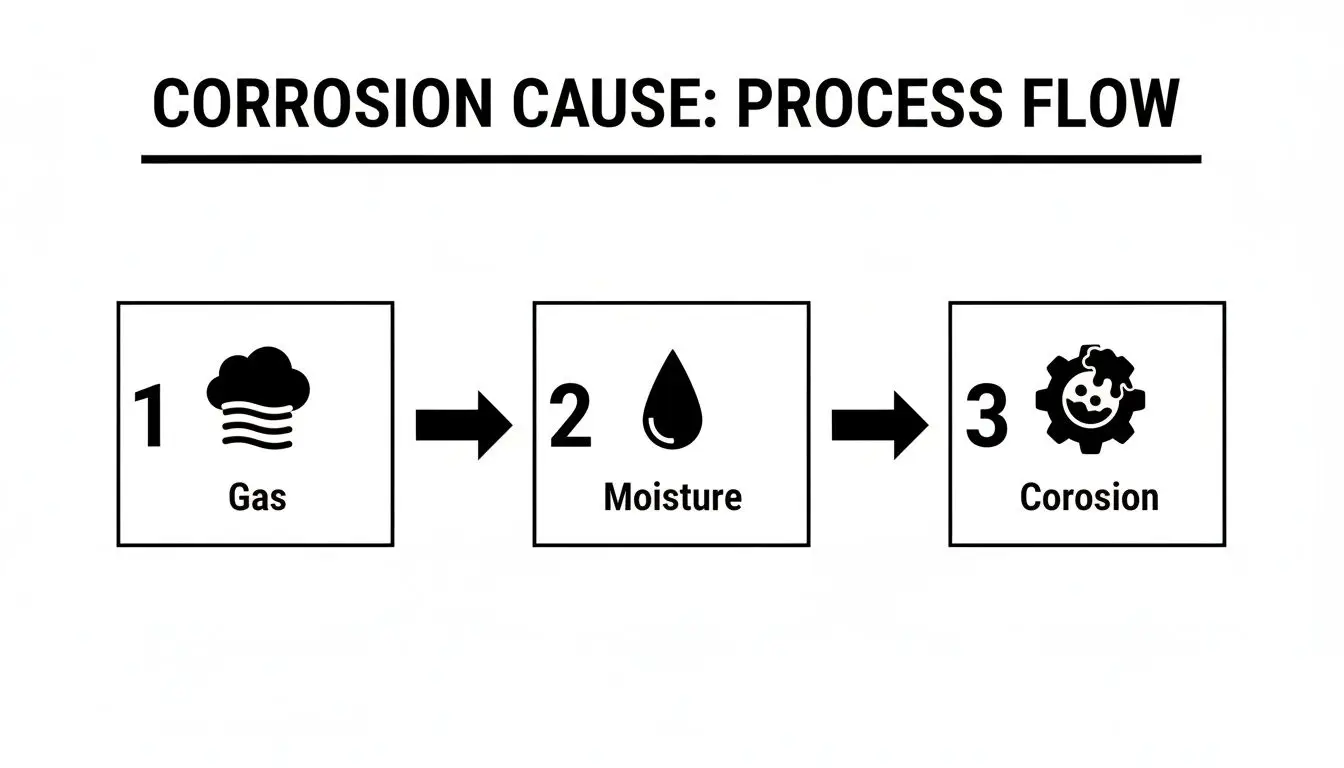
This diagram shows you exactly what’s happening—tiny amounts of hydrogen gas naturally vent from the battery and react with moisture in the air, creating the corrosion you're cleaning off.
After you've scrubbed away the gunk, carefully rinse the area with a small amount of clean water to wash off the baking soda and corrosion residue. Try to keep the runoff from splashing onto other engine components. Then, dry everything thoroughly with a clean rag. The connection needs to be completely dry for the best electrical contact.
Once the terminals and clamps are clean and dry, it's time to reconnect. Just go in the reverse order of how you disconnected: positive (+) cable first, then the negative (-). Tighten the nuts so the clamps are snug, but don't go overboard—the lead posts are soft and can be damaged if you overtighten them.
A good cleaning like this can dramatically improve how your car starts, especially on those humid Haltom City mornings when electrical systems are under more strain. And while you're focused on keeping things under the hood in top shape, a clean engine bay is always a good idea. For more on that, check out our guide on how to clean oil off your engine.
Protecting Your Battery Terminals for the Long Haul
You’ve put in the work to scrub away all that nasty corrosion. Great! But if you stop there, you're just setting yourself up to do it all over again in a few months. Cleaning is a temporary fix; the real secret to a reliable start is preventing that gunk from coming back in the first place.
Think of it this way: spending a few extra minutes and a couple of bucks now is cheap insurance against a dead battery. Especially on a humid Haltom City morning when you’re already running late.
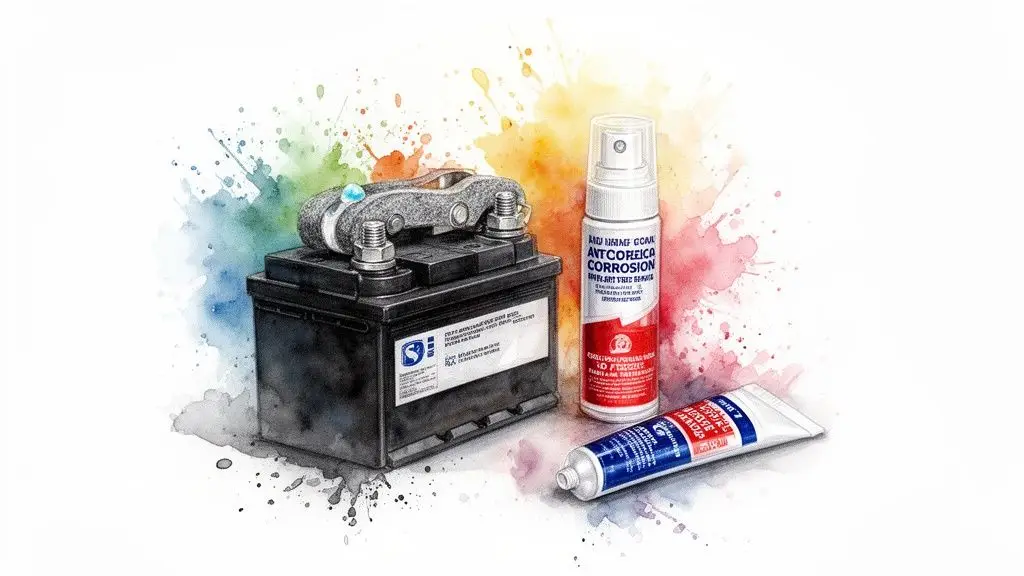
The goal here is simple: create a tough, airtight seal that blocks moisture and corrosive battery fumes from ever touching the metal terminals. That’s what causes the fuzzy blue-green buildup to begin with.
Create a Lasting Barrier
So, how do you do it? You've got a few solid, time-tested options.
One of the go-to methods in any shop is applying a thin coat of dielectric grease. This stuff is magic. It's a non-conductive, silicone paste that seals out everything you don't want—moisture, air, dirt—without getting in the way of the electrical connection. After you've cleaned and re-tightened the clamps, just spread a small amount over the terminals and cable ends.
If you prefer a spray-on approach, a dedicated anti-corrosion spray is another fantastic choice. These are formulated to cling to the terminals and dry into a protective film that resists heat and acid. It’s incredibly fast and gives you a clear visual that everything is covered.
Here in Haltom City, where the humidity averages 70%, these steps aren't just suggested—they're essential. We’ve seen that a quality protectant spray, applied once a year, can prevent 100% of corrosion for at least 12 months. Modern battery designs help, too; some newer terminals made of tin-plated or stainless steel resist corrosion 5 times better than old-school copper, potentially cutting the need for replacements by 40% over the life of the battery.
Low-Tech, High-Impact Add-Ons
Want an extra layer of security? Grab a pair of anti-corrosion felt washers. These little things are cheap, simple, and surprisingly effective.
They’re just small rings treated with a neutralizing chemical. You slide one over each battery post before clamping the cable back on. They sit right at the base of the terminal, absorbing and neutralizing any acid vapors that escape. It’s an old-school trick that absolutely still works.
Here’s a quick rundown of your options:
| Method | How It Works | Best For |
|---|---|---|
| Dielectric Grease | Creates a non-conductive, moisture-proof seal around the connection. | Drivers who want a durable, long-lasting barrier in hot engine bays. |
| Anti-Corrosion Spray | Forms a protective, colored film that seals out air and acid fumes. | Quick and easy application with visual confirmation of coverage. |
| Felt Washers | Chemically-treated pads that absorb and neutralize acid vapor at the base of the post. | Adding an extra layer of protection, especially useful on older batteries. |
The best approach is often a combination. In our Haltom City shop, we like to use the felt washers and a light coating of dielectric grease. It's a one-two punch that provides an incredibly tough defense against the kind of battery-killing conditions we see here in Texas.
Taking these small steps makes a huge difference in your battery's health and ensures your car has the juice it needs to start every single time. Making this a part of your routine is a smart move, and you can get more ideas from our comprehensive checklist for car maintenance.
DIY Cleaning vs. Professional Service: When to Call a Haltom City Expert
For most folks, tackling a bit of battery corrosion is a satisfying weekend project. Popping the hood and finding that light, chalky buildup on the terminals is common. A little baking soda, a wire brush, and some elbow grease can often do the trick, and you’ll likely feel an immediate improvement in how your car starts. It’s a great, wallet-friendly fix.
But here’s the thing: you also have to know when to put the tools down. What looks like a simple cleaning job can sometimes be a sign of a much bigger headache brewing under the hood. A simple scrub won't fix everything, and that's when a professional diagnosis from a Haltom City auto shop is worth its weight in gold for long-term battery terminal corrosion prevention.
When a Professional Is Your Best Bet
Some situations are just not worth the risk of a DIY attempt. If you run into any of these red flags, it’s time to step back and let a certified technician handle it.
Heavily Seized Terminal Clamps: You’ve loosened the nut, but the clamp won’t budge. Not even a little. The temptation to grab a hammer or a pry bar is strong, but don't do it. Forcing it can easily snap the terminal post right off the battery or break the clamp itself. Suddenly, your simple cleaning job has turned into a much more expensive repair. A mechanic has specialized pullers and tools designed to safely coax off those stubborn clamps without causing any damage.
A Cracked or Leaking Battery Case: This is a hard stop. If you see any crack, a noticeable bulge in the side of the battery, or any sign of moisture weeping from the case, that’s not just water. It’s escaping sulfuric acid. This is a serious safety hazard that can burn your skin and eat away at other components in your engine bay. A leaking battery is a ticking time bomb and needs to be replaced immediately by a professional who knows how to handle and dispose of it safely.
For drivers in Haltom City, this isn't just about a one-time fix. Having an expert diagnose the true cause of corrosion is about ensuring your vehicle's reliability on our local roads. It’s peace of mind, knowing your car will start every time.
The Problem That Keeps Coming Back
Here’s the most telling sign that you need a pro: the corrosion returns almost immediately after you’ve cleaned it.
If you clean your terminals to a perfect shine, and then a few weeks later you see that familiar fuzzy blue or white gunk reappearing, you’re not just dealing with normal off-gassing. You’re looking at a symptom of a deeper electrical system problem.
The number one culprit? A faulty alternator that is overcharging the battery. When the alternator sends too much voltage, it literally boils the electrolyte inside the battery. This forces an excessive amount of acidic gas out of the vents, which then rapidly corrodes the terminals. No amount of cleaning will ever permanently fix this.
A professional technician at a trusted Haltom City shop can run a full charging system test. They have the equipment to measure the alternator’s output precisely and tell you if it's operating within spec. Addressing the root cause is the only way to achieve effective, long-term battery terminal corrosion prevention and keep you from getting stranded.
Your Battery Is Just the Beginning: The Whole Electrical System Is at Stake
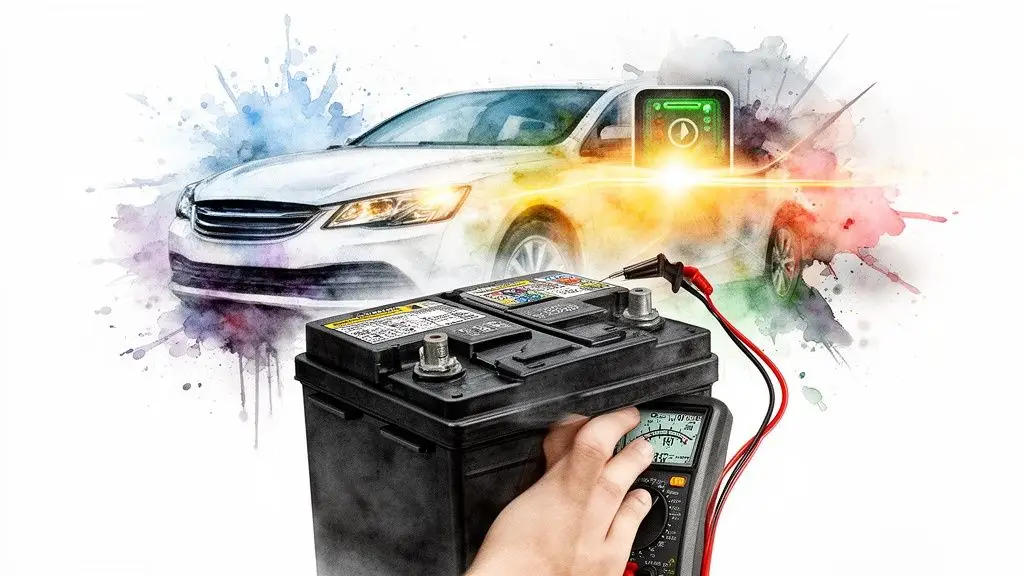
It’s easy to think of your car’s battery as a standalone box that just starts the engine. But in reality, it's the heart of a complex electrical network. The battery terminals and the cables connected to them are the main arteries, pumping vital electricity to every single component in your vehicle.
When those connections are clean, power flows freely and everything works as it should.
But when that tell-tale fuzzy gunk—that white or blueish corrosion—starts creeping over the terminals, it’s like plaque building up in those arteries. That corrosion isn't just ugly; it's a resistor, actively blocking the flow of electricity. This simple problem forces your entire electrical system to work overtime, creating a dangerous ripple effect of strain that can leave you stranded on a Haltom City road.
The Chain Reaction of a Bad Connection
A little bit of corrosion doesn’t just make it harder to start your car. It sets off a domino effect that can seriously damage and shorten the life of some of your vehicle’s most critical and expensive parts.
Here's how it plays out:
- Alternator Burnout: Your alternator’s job is to recharge the battery. When a corroded terminal chokes the connection, the alternator has to work much, much harder to push a current through. This constant strain generates excess heat and can lead to premature alternator failure.
- Starter Stress: The starter motor needs a massive jolt of power to turn over a cold engine. Corrosion starves the starter of that power, which is why you hear that slow, groaning crank. This puts incredible stress on the starter's internal workings.
- Computer and Sensor Glitches: Modern cars are rolling computers. Sensitive electronics, from the ECU to dashboard sensors, need a perfectly stable voltage. An inconsistent power supply from a corroded terminal can cause all sorts of weird issues—flickering lights, phantom warning messages on the dash, and just plain erratic behavior.
A clean, solid connection at the battery is the absolute foundation of your car’s electrical health. Ignoring corrosion is like a doctor ignoring high blood pressure; eventually, the underlying problem will cause a much more serious failure somewhere else in the system.
Ultimately, battery terminal corrosion prevention is about so much more than just making sure your car starts. It's about protecting the whole intricate network of electronics that keep your vehicle running safely. By keeping those terminals clean, you ensure every component gets the steady, reliable power it needs to do its job.
This simple bit of maintenance helps you avoid a cascade of electrical gremlins and inconvenient, costly repairs. A failing alternator, for instance, is often a direct result of a long-neglected battery connection. If you think you're already seeing signs of trouble, our team put together a guide on how to know if your alternator is bad that you might find helpful.
Answering Your Top Battery Corrosion Questions
Even if you're on top of your car care, battery corrosion can be confusing. We get a lot of the same questions from drivers here in Haltom City, so let's clear up what that fuzzy stuff on your battery really means and what you should do about it.
What Is the Difference Between the Blue and White Stuff?
That's a great question, and the color tells you a lot about what's going on under your hood.
A white, chalky powder is almost always lead sulfate. It’s a pretty standard byproduct of the battery venting a tiny bit of hydrogen gas, which then reacts with the lead terminals. It’s the most common type of corrosion you'll see.
That blue or greenish buildup, on the other hand, is copper sulfate. This signals that the copper clamps or the cable ends themselves are corroding, not just the lead battery post.
While both will eventually stop your car from starting, seeing that blue or green color is a bigger red flag. It often points to the alternator overcharging the battery, causing it to vent acidic gasses more aggressively. If you spot a lot of blue gunk, especially on the positive terminal, it’s a good idea to have a professional in Haltom City test your charging system.
How Often Should I Check My Battery in Texas?
Living here in Haltom City, you know our heat is no joke. It's especially brutal on car batteries, and that combination of intense summer heat and humidity really speeds up corrosion.
Because of our climate, I always tell local drivers to take a quick peek at their battery terminals every three months or so. You can just do it when you check your oil—it only takes a second. You don't need to break out the tools unless you see that fuzzy buildup starting.
For a full cleaning and re-application of a protective spray, aim to do it every 6 to 12 months. Tying it to your oil change schedule is a great way to stay ahead of any problems.
Can I Just Use Vaseline Instead of Special Grease?
We hear this one a lot in our Haltom City shop. In a pinch, yes, petroleum jelly like Vaseline is way better than nothing. It will create a seal that blocks out moisture and air, which is the whole point.
However, there’s a good reason we use dielectric grease in the shop. It's made specifically for electrical connections and has a much higher melting point, so it won't just melt and run off in a hot engine bay. Vaseline is a decent temporary fix, but a dedicated anti-corrosion spray or dielectric grease is the right tool for the job and offers much better battery terminal corrosion prevention.
Why does my brand new battery already have corrosion? It's frustrating to buy a new battery and see that fuzzy buildup appear just a few months later. More often than not, the battery isn't the problem—it's a symptom. The most common culprit is an issue with the vehicle's charging system. If the alternator is overcharging, it cooks the battery, forcing it to vent acidic gas and causing rapid corrosion.
It could also be something as simple as a little acid residue left on the posts from the factory or clamps that weren't tightened down correctly during installation. If you see corrosion on a new battery, it’s a strong sign that you should get your car’s charging system checked by a pro in Haltom City to find the real cause.
Don't let a bad connection leave you stranded. If you have more questions about corrosion or need an expert to inspect your battery and charging system, the certified technicians at Express Lube and Car Care are ready to help. Stop by our shop in Haltom City for fast, reliable service you can trust. Book your appointment online today!