

Your car was running fine yesterday. Today the check engine light comes on, the idle feels rough, or you hear a knock that was not there before. In Haltom City, that moment hits hard because the first question is not technical. It is financial.
How much does engine repair cost, and is this about to become a small fix or a budget-breaking one?
Most drivers are not afraid of the mechanic’s vocabulary. They are afraid of the unknown. They want to know whether the issue is a coil, a cooling problem, a head gasket, or the kind of internal damage that changes the whole conversation. They also want to know whether they can safely keep driving to work, pick up the kids, or finish the week before dealing with it.
The good news is that engine repair is not one giant mystery. There is a range, there are patterns, and there are clear trade-offs. A small repair can be manageable. A major failure can be expensive. The difference often comes down to diagnosis, labor time, part quality, and whether the problem was caught early.
That Sinking Feeling When Your Engine Acts Up
A lot of engine problems start the same way. A light on the dash. A smell you cannot place. A stumble when you accelerate onto Denton Highway. You tell yourself it might be bad gas or something minor, but the worry is already there.
That worry is reasonable. Engine repairs can be cheap, moderate, or severe, and from the driver’s seat they can all feel the same at first. A weak ignition coil and a deeper internal issue may both show up as rough running. A cooling problem may look harmless until the temperature climbs and the engine starts overheating.
In a North Texas summer, that uncertainty feels worse. Heat exposes weak spots fast. Oil that is overdue, a cooling system part on its last leg, or a leak that has been ignored can turn a normal commute into a tow bill and a hard conversation.
What helps is taking the emotion out of it and looking at the repair the same way a good technician does. Start with symptoms. Confirm the cause. Decide whether the issue is minor, moderate, or major. Then compare the repair cost to the vehicle’s condition, age, and how long you plan to keep it.
Key takeaway: The loudest symptom is not always the most expensive problem. The most expensive mistakes come from guessing, delaying, or authorizing repairs before the cause is confirmed.
If you are in Haltom City, Keller, Watauga, or North Richland Hills, that practical mindset matters. The right next step is not panic. It is a proper diagnosis and a repair plan you can understand.
The Most Important First Step Diagnostic Costs
Diagnostic time is the point where a bad situation either stays manageable or gets expensive fast. Around Haltom City, I see the same pattern all the time. A driver wants to save money, skips testing, replaces the part that seems most likely, and still has the same check engine light on the way home.
A code scan at a parts store has some value. It can narrow the problem to a system. It cannot confirm the failed part. The same fault code can come from a sensor, a wiring issue, a vacuum leak, low fuel pressure, or an internal engine problem. Guessing from the code alone is like changing a house thermostat because one room feels hot. You might get lucky, but you have not confirmed the exact cause.
What a real diagnosis does
A proper engine diagnosis goes past reading stored codes. A technician checks live data, looks at fuel trims and sensor behavior, verifies the complaint, and tests the system that fits the symptom. That process matters because rough running, oil consumption, overheating, and loss of power can overlap.
Depending on what the vehicle is doing, the shop may perform:
- Computer scanning: Reading trouble codes, freeze-frame information, and live sensor data.
- Pressure and leak checks: Useful for cooling system concerns, compression concerns, and sealing problems.
- Visual inspection: Looking for oil leaks, damaged wiring, cracked hoses, coolant residue, or overheating signs.
- Confirmation testing: Proving the failed component before parts are ordered and labor is approved.
For a plain-English overview, this guide on car engine diagnosis explains what that testing includes.
What diagnosis usually costs in North Texas
In North Texas, diagnostic charges are tied to labor time and shop rate. The AAA auto repair guide notes that labor rates vary by market and facility type, which is exactly why two estimates in the same area can look different before any parts are installed.
In practical terms, many independent shops in the Haltom City area charge for about an hour of diagnostic time to start. Dealerships are higher. Some problems are confirmed quickly. Others need more than one round of testing, especially if the issue only shows up on a cold start, under load, or after the engine gets fully hot in Texas traffic.
That fee is buying more than a scan tool. It pays for technician time, shop equipment, service information, and judgment. On modern engines, that judgment saves far more than the initial diagnostic charge.
Where drivers waste money
The expensive mistakes are predictable:
- Replacing parts based on a symptom: A misfire can come from ignition, fuel, compression, or wiring.
- Putting off an intermittent problem: Small clues are easier to catch before the failure becomes constant.
- Driving until the noise gets worse: Heat and low oil pressure can turn a repairable engine issue into internal damage.
A good diagnostic result also helps with the bigger repair vs. replace decision later. If the problem is isolated, repair often makes sense. If testing shows low compression across multiple cylinders, metal in the oil, or overheating damage, the conversation changes.
Practical tip: If the check engine light is flashing, the temperature gauge is climbing, or you hear hard knocking, pull over as soon as it is safe. In North Texas heat, a short drive with those symptoms can turn a manageable repair into an engine replacement discussion.
Common Engine Repairs And Estimated Costs
Most engine estimates fall into one of three buckets. You are either dealing with a bolt-on repair, a labor-heavy repair that needs partial teardown, or internal engine damage that forces a harder repair versus replace conversation.
Verified cost data shows that engine repair costs typically range from $150 for minor fixes like spark plug or ignition coil replacements to over $5,000 for major structural overhauls such as a cracked engine block repair, while mid-range repairs like head gasket replacements average $1,500 to $3,500 and often require 10 to 20 hours of labor based on this engine repair cost guide.
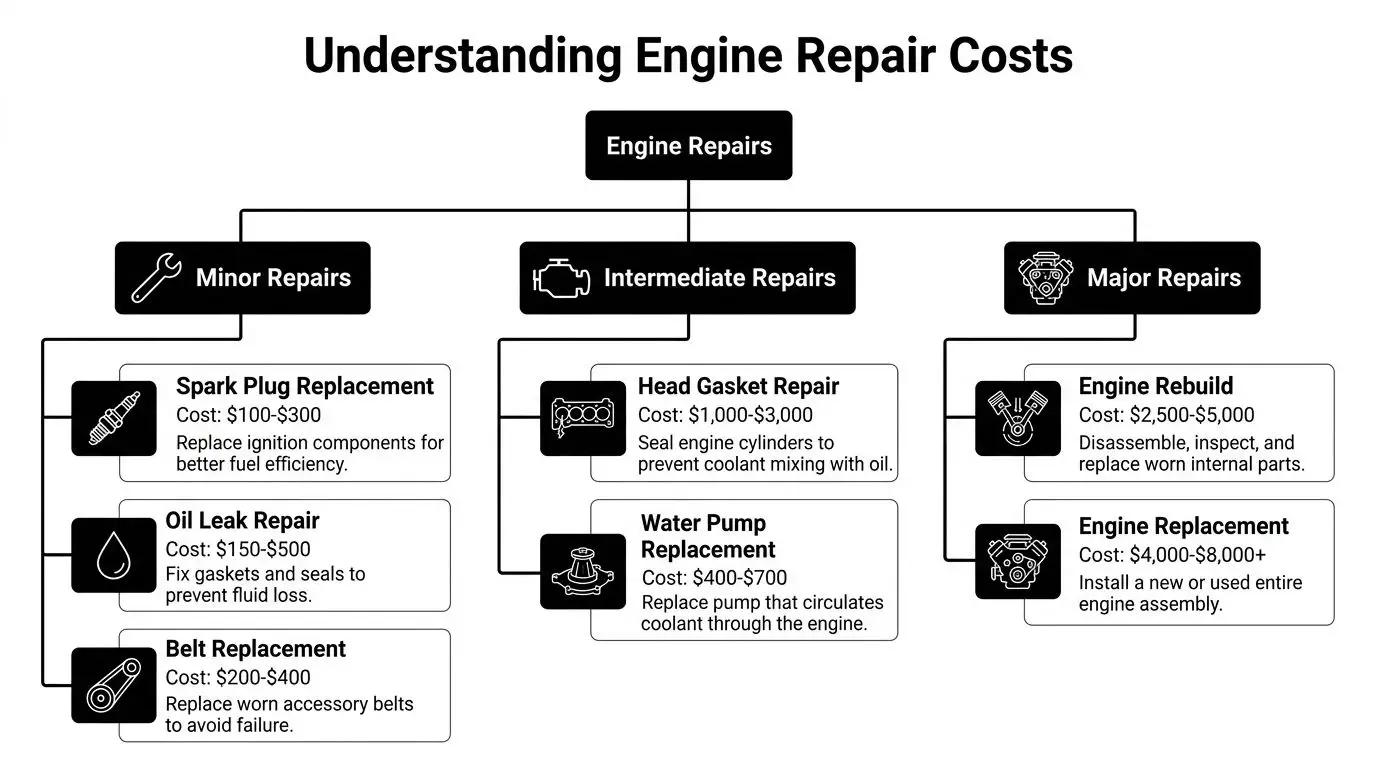
Minor repairs
Minor repairs mean the engine itself is still healthy. The problem is often in ignition, fuel metering, or a sensor that feeds bad information to the computer.
Spark plugs and ignition coils are common examples. Plugs light the air-fuel mixture. Coils provide the voltage to make that happen. When either one starts failing, North Texas drivers notice rough idle, poor acceleration, or a check engine light before they notice a hard no-start.
Small sensor problems can land in the same price range, especially when the part is easy to reach. Consumer guidance from NerdWallet’s car repair cost overview notes that smaller check-engine-light repairs can stay in the low hundreds, depending on the vehicle and the failed component. That lines up with many sensor swaps that stay well below major engine work.
Moderate repairs
This is the range where labor starts to matter as much as the part.
A water pump is a good example because the risk is bigger than the part itself. If the pump leaks or stops circulating coolant, engine temperature can climb fast in summer traffic around Haltom City, North Richland Hills, or Fort Worth. Water pump fixes often involve significant costs.
Engine mounts also fit here. They hold the engine in place and control vibration under load. A worn mount can feel like an engine problem even when the internal engine is fine. Engine mount replacements can also be a notable expense.
Leak repairs can land in this middle tier too, especially if the issue is caught before overheating or oil starvation causes internal damage.
Major repairs
Major engine work gets expensive for one reason. Access takes time, and mistakes are costly.
A head gasket repair is the classic example. The gasket seals combustion, coolant, and oil passages between major engine components. Once it fails, the symptoms can stack up fast. Overheating, white smoke, coolant loss, contaminated oil, and low compression can all show up on the same vehicle.
Another serious category is engine block repair. Advanced engine block stitching repairs can be a significant investment for the right situation. If the crack is extensive, internal, or tied to overheating damage, many drivers are better served by comparing that estimate against a rebuilt or replacement engine instead of pouring money into a weak foundation.
Computer-related engine problems can muddy the picture. A bad control module can mimic mechanical trouble, and a mechanical problem can trigger electronic faults. If your quote includes computer diagnosis or module replacement, this guide on engine control module repair cost helps explain why those estimates vary so much by vehicle.
Estimated Engine Repair Costs in North Texas 2026
| Repair Tier | Example Repairs | Typical Cost Range |
|---|---|---|
| Minor | Spark plug replacement, ignition coil replacement, sensor-related fixes | $150 to $400 for spark plug or ignition coil repairs; smaller sensor-related repairs can also fall in the low hundreds depending on the vehicle |
| Moderate | Water pump replacement, engine mount replacement, leak-related repairs caught before escalation | $400 to $900 for water pump fixes; $300 to $800 for engine mounts |
| Major | Head gasket repair, engine block stitching, cracked block related work | $1,500 to $3,500 for head gaskets; $1,000 to $2,500 for engine block stitching; over $5,000 for major structural overhauls |
What these numbers mean in real life
The repair itself matters. The timing matters just as much.
A $500 repair done early can prevent a $3,000 repair later. A neglected coolant leak, weak coil, or oil leak near a hot engine can start as an inconvenience and end as internal damage. That is why I tell drivers to judge an estimate by outcome, not just by the line item total.
Use a simple framework. Is the failure isolated? Does the repair fix the root problem or just buy a little time? Is the rest of the vehicle solid enough to justify the money?
If the answer is yes on all three, repair often makes sense. If the engine has overheated badly, has compression problems across multiple cylinders, or shows signs of bottom-end damage, that is where the repair versus replace decision becomes the main question.
What Drives Your Final Engine Repair Bill
The estimate changes for reasons a driver can understand. Around Haltom City, I see the same pattern all the time. One truck needs a straightforward repair with easy access and common parts. Another has the same failed component on paper, but the engine bay is packed tight, the labor time climbs, and the parts bill jumps with it.

Vehicle make and model
Your engine design sets the starting point for cost.
A domestic sedan with good access under the hood can save hours of labor compared with a European luxury model or a turbocharged SUV where basic components sit under covers, brackets, intake parts, and cooling hardware. Some engines are built to be serviced. Others require a lot of teardown before a technician can even reach the failed part.
That is why two estimates can look far apart without either one being unreasonable.
Labor source matters in North Texas
Shop rate matters most on jobs that take time. In North Texas, dealership labor runs higher than an independent shop, and that gap shows up fast on repairs that involve deep disassembly.
For a short job, the difference may not change your decision much. For an oil leak repair buried behind other components, a timing-related repair, or internal engine work, labor can become the biggest line on the ticket. The U.S. Bureau of Labor Statistics tracks wage data for automotive service technicians and mechanics, and that helps explain why labor rates vary by market and shop type: automotive technician wage data from BLS.
A good local independent shop can offer better value here, especially if the vehicle is out of warranty and the repair does not require dealer-only programming.
Parts quality changes the long-term result
Parts choice is where cost and risk meet.
| Part Type | What it means | Trade-off |
|---|---|---|
| OEM | Factory-spec replacement part | Higher cost, predictable fit and performance |
| Aftermarket | Non-factory replacement | Lower price, quality depends heavily on brand |
| Used | Salvage or recycled part | Lowest upfront cost, shorter confidence window |
Used parts can be the right call on an older car with limited resale value. They make less sense when labor is expensive and repeating the job would wipe out the savings. I tell drivers to match the part to the car’s stage of life. If you plan to keep it for years, cheaper is not always cheaper.
If you want a clearer picture of what goes into major internal work, this guide to automobile motor rebuilding costs and considerations helps explain why parts selection and labor scope matter so much.
Severity and timing change the whole bill
Small failures stay small only if they are caught early. A minor oil leak, a cooling problem, or a misfire can remain manageable for a while. Keep driving it hot, low on oil, or with raw fuel washing down a cylinder wall, and the repair bill changes fast.
That is the part many worried drivers miss. The final number is not just about what broke today. It reflects how far the problem spread before the car came in.
For most drivers in Haltom City, the estimate comes down to four practical questions:
- What failed
- How much labor it takes to reach it
- What kind of vehicle you drive
- Whether the part choice fits your budget and how long you plan to keep the car
The Big Decision Rebuilding Vs Replacing Your Engine
Once an engine has serious internal damage, you are no longer comparing small repairs. You are deciding what kind of investment makes sense for the vehicle and for your life.
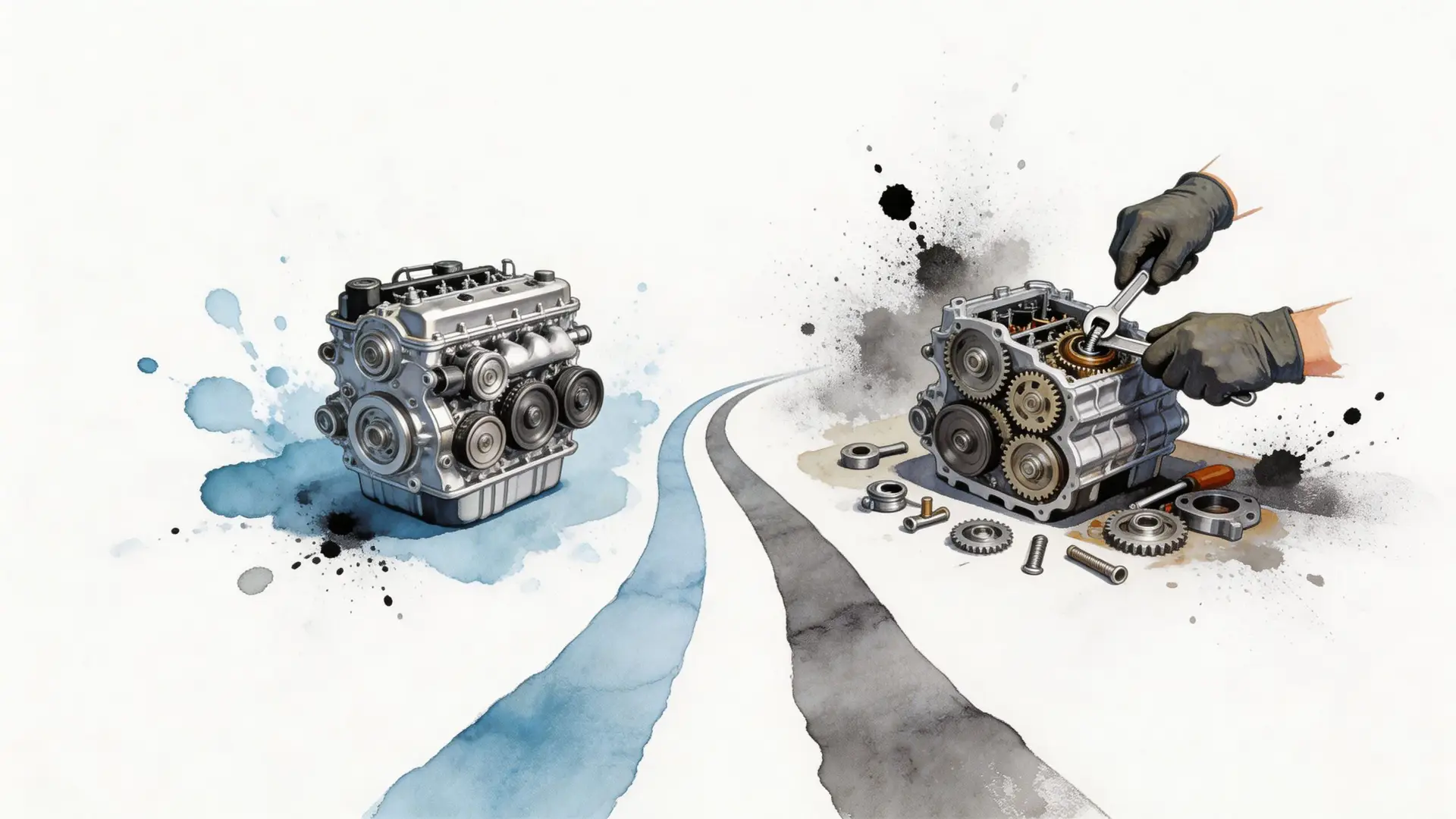
A rebuild means keeping the existing engine core and restoring damaged internal components. A replacement means removing the engine and installing another unit, whether that is remanufactured, used, or new.
Engine rebuilds typically involve costs in the thousands of dollars, with full replacements often ranging even higher. The same source notes that for compact 4-cylinder vehicles, rebuilding is often cost-effective, but for V8 trucks, where rebuilds can cost $5,000 to $8,000+, replacement may offer better value and a longer warranty according to this rebuild versus replacement guide.
When rebuilding makes sense
Rebuilding is often worth a serious look when the damage is limited and the engine block itself is still sound. If the problem is concentrated in serviceable internal components, a rebuild can preserve the original engine and keep total cost lower than replacement.
This is often more appealing on smaller, simpler engines where labor and machine work stay within reason.
When replacement is the smarter call
Replacement makes more sense when the damage is broad, the block is cracked, or the engine has high mileage and multiple wear points at once. In those cases, rebuilding can turn into a deep investment in an engine that still has other weak spots.
That is especially true for larger engines where rebuild pricing starts approaching replacement pricing. Once those two numbers get close, warranty coverage and long-term reliability matter more than saving money on the first invoice.
A practical backgrounder on automobile motor rebuilding can help if you are trying to understand what a rebuild includes.
The decision is reliability
Drivers sometimes get stuck when considering this. They ask which option is cheaper. The better question is which option solves the problem with the least regret.
Use this simple lens:
- Choose rebuild if the core engine is healthy enough to justify saving it.
- Choose replacement if structural damage, mileage, or warranty concerns make rebuilding feel like a gamble.
- Pause the job if the vehicle’s overall condition does not justify either route.
Here is a visual explanation of the kinds of engine decisions technicians and owners often face.
Decision rule: If a rebuild only fixes one chapter of a much larger engine story, replacement is often the cleaner answer.
For fleet vehicles around Haltom City, Keller, and Watauga, downtime matters almost as much as the invoice. For personal vehicles, confidence matters. Nobody wants to spend heavily and still wonder whether the car will strand them again.
How Haltom City Drivers Can Lower Repair Costs
The cheapest engine repair is the one you never need. That sounds obvious, but in Texas it is especially true because heat punishes neglected engines fast.
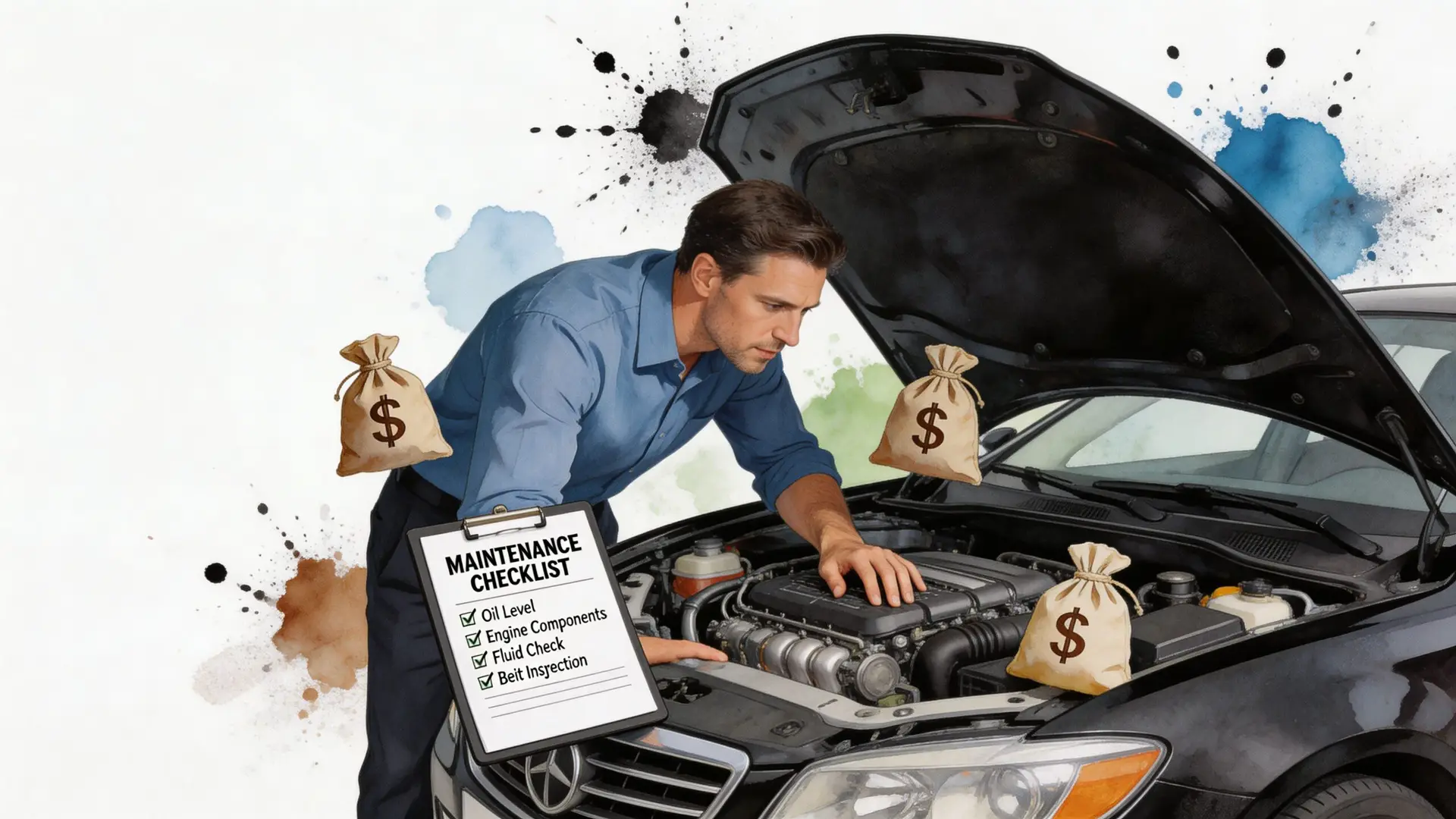
Verified data for Texas drivers shows that a routine oil change costs $45 to $95, and neglecting that service can lead to engine damage requiring $1,500 to $3,000 in mid-range repairs or over $4,000 for a major overhaul, according to this Texas vehicle neglect cost discussion.
That is the clearest financial case for maintenance you can make. Spending a modest amount on routine service is not just about cleanliness or habit. It is how you avoid heat, friction, and contamination turning a healthy engine into a damaged one.
What works in North Texas
Texas heat breaks down oil and stresses cooling systems. If your oil is old, your coolant is low, or a small leak is already present, hot weather makes the weak point show up sooner.
Drivers who consistently lower their repair risk do a few things well:
- Stay on top of oil service: Fresh oil protects moving parts and helps the engine manage heat.
- Pay attention to small leaks: A drip in the driveway is often cheaper to deal with than an overheated engine.
- Treat warning lights as early alerts: Waiting for drivability problems raises the cost.
- Service the cooling system before it forces the issue: Hoses, pumps, and coolant condition matter more in long hot stretches.
If you are comparing maintenance options, this explanation of how much is an engine flush can help you understand where that service fits and when it is useful.
What does not save money
Some habits feel frugal and end up expensive:
| Habit | Why it backfires |
|---|---|
| Delaying oil changes | Increases wear and heat stress |
| Ignoring temperature movement | Risks overheating damage |
| Driving with leaks | Lets a repair spread into related systems |
| Chasing the cheapest fix only | Can lead to repeat labor and repeat failure |
The practical mindset
Busy professionals and fleet managers often get trapped by timing, not by intention. They know maintenance matters. They just keep pushing it to next week.
That works until the vehicle chooses the schedule. Engines rarely fail at a convenient time. A planned service visit is easier than an unplanned breakdown, especially in summer traffic around Haltom City and the surrounding cities.
Local mechanic advice: If your vehicle is your workday, your family hauler, or part of a fleet, maintenance is not optional spending. It is a way to control downtime.
Your Trusted Partner For Engine Care In Haltom City
Engine problems feel less overwhelming once you understand the moving parts behind the estimate. The range is wide because the work is wide. A coil or sensor issue is one conversation. A head gasket, rebuild, or replacement is another.
Drivers in Haltom City do best when they slow the process down just enough to get facts first. Confirm the diagnosis. Understand the labor involved. Ask whether the repair is isolated, escalating, or pointing toward a rebuild-or-replace decision. That is how you avoid paying for fear, guesswork, or the wrong fix.
Good engine care also comes down to trust. You want a shop that explains the problem in plain English, shows you the trade-offs, and gives you a clear estimate without pressure. That matters whether you are commuting through North Richland Hills, managing a work truck in Keller, or trying to keep a family vehicle dependable in Watauga.
Frequently Asked Questions About Engine Repair
A lot of Haltom City drivers ask the same questions after they hear a quote for engine work. They are trying to answer one thing. Am I fixing this car wisely, or am I about to spend good money on the wrong move?
Quick answers drivers need
| Question | Answer |
|---|---|
| Is engine repair always worth it? | No. The smart call depends on the failure, the vehicle’s condition, mileage, and how long you need it to stay dependable. |
| Can I keep driving with an engine problem? | Only in limited cases. If it is overheating, knocking, misfiring badly, losing oil pressure, or showing a flashing check engine light, stop driving and have it checked. |
| Is a used engine a bad idea? | No, but it is a trade-off. It lowers the upfront bill, but the history is not as clear as a remanufactured or new engine. |
| Why is labor such a big part of the bill? | Access takes time. On many vehicles, the shop has to remove a lot of surrounding parts before they can even reach the failed component. |
How much does full engine replacement cost
A full engine replacement lands in the several-thousand-dollar range, and the final number changes a lot based on the vehicle, engine type, and whether you choose used, remanufactured, or new. Kelley Blue Book explains that engine replacement is one of the highest-cost repairs on a vehicle, especially once labor and related parts are included, in its guide to the most expensive car repairs.
Around North Texas, the practical question is not just the headline price. It is whether that amount makes sense for your car’s age, condition, and value. Replacing an engine in a well-kept truck you plan to drive for years can make sense. Doing the same job on a neglected high-mileage car with transmission and suspension issues often does not.
Is it cheaper to rebuild than replace
Sometimes. A rebuild can be the better buy if the engine block and major hard parts are still usable and the problem is mostly internal wear or damage in one area.
Replacement makes more sense when the engine has thrown a rod, cracked a block, overheated badly, or has enough mileage that one repaired section may just expose the next weak spot. It is a lot like fixing a roof. Replacing a few shingles is reasonable. Rebuilding rotten decking underneath them is a different decision.
How do I read an engine estimate without getting lost
Start with the lines that affect the total the most.
- Parts: What exactly is being installed, and is it OEM, aftermarket, used, remanufactured, or new?
- Labor: How many hours are diagnostic time, teardown time, and reassembly time?
- Related items: Are fluids, gaskets, seals, belts, hoses, mounts, or machining included?
- Goal of the repair: Does this fix the root cause, or does it only address one symptom?
If a shop can explain those four points in plain English, you are looking at a proper estimate instead of a vague guess.
What should I do first if my engine starts acting up
Get it diagnosed before approving major work.
That matters even more in Texas heat, where a small cooling problem can turn into head gasket damage fast. If the engine is making sharp knocking sounds, overheating, smoking, or running rough enough to shake, have it towed. Paying for a tow is cheaper than paying for the extra damage caused by one more drive.
If your engine is making noise, overheating, running rough, or showing a warning light, Express Lube and Car Care can help you get a clear answer without the runaround. Their certified technicians serve Haltom City with transparent estimates, advanced diagnostic equipment, premium parts, and practical recommendations that fit your vehicle and budget. Whether you need routine maintenance or a serious engine repair, they make the process easier to understand and easier to trust.