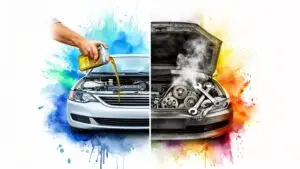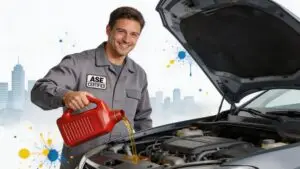

Your check engine light is on, your brakes feel soft, and your oil change is three months overdue. When multiple problems hit at once, understanding car repair priority services types, which the auto industry formally calls automotive service triage, becomes the difference between a smart decision and an expensive mistake. This guide breaks down every major category of priority vehicle maintenance, from traditional shop repairs to mobile mechanics and roadside assistance tiers, so you can make the call that protects both your safety and your wallet.
Table of Contents
- Key takeaways
- 1. The framework for car repair priority services types
- 2. Traditional priority repairs: mechanical and scheduled maintenance
- 3. Emergency car repair services and roadside assistance tiers
- 4. Mobile mechanic services and on-site repair options
- 5. Collision repair prioritization: what the order of repairs actually means
- 6. Side-by-side comparison of priority service types
- 7. How to decide which priority service fits your situation
- My take on how mobile services are changing priority repair logic
- Reliable priority auto repair in the DFW area
- FAQ
Key takeaways
| Point | Details |
|---|---|
| Safety repairs come first | Brake, tire, and steering issues affect your ability to control your vehicle and require immediate attention. |
| Match coverage to your habits | Long-distance drivers benefit most from premium roadside assistance tiers with extended towing. |
| Mobile mechanics change the math | On-site repairs can resolve many urgent issues faster than a traditional shop visit. |
| Verify every recommendation | Cross-check repair suggestions against your owner’s manual to avoid unnecessary service costs. |
| Convenience options are expanding | Mobile and express services now handle diagnostics, brake work, and more without an appointment. |
1. The framework for car repair priority services types
Before you can choose the right service, you need a way to rank what actually matters. The auto industry uses a simple four-factor triage framework, and it works just as well for you as it does for a technician.
- Safety risk: Does this issue affect your ability to stop, steer, or see? Brake failures, bald tires, and broken headlights belong at the top of every list, no exceptions.
- Urgency: How fast is the problem getting worse? A slow oil leak and a catastrophic coolant failure both need attention, but one gives you days and the other gives you miles.
- Cost trajectory: Some repairs get more expensive if you wait. A worn belt, for example, can snap and take out your entire cooling system. Fixing it early is almost always cheaper.
- Convenience and downtime: How long can you realistically go without your vehicle? This factor shapes whether a mobile mechanic visit or a same-day express service makes more sense than scheduling a full shop appointment.
One friction point many drivers hit is conflicting advice. Repair shops sometimes recommend services more frequently than manufacturers specify, which can lead to unnecessary repair expenses. Your owner’s manual is your baseline. Use it to filter every recommendation you receive.
Pro Tip: Before authorizing any repair, pull up your vehicle’s maintenance schedule and compare it to what the shop recommends. If a service isn’t listed or isn’t due yet, ask for a specific reason before you agree to it.
2. Traditional priority repairs: mechanical and scheduled maintenance
Classic auto repair categories fall into two broad groups, and they behave very differently when it comes to urgency.
Mechanical priority repairs are the ones that affect safety or vehicle reliability right now. These include:
- Brake pad and rotor replacement
- Tire replacement or rotation when tread is critically low
- Engine diagnostics for warning lights tied to emissions or misfires
- Steering and suspension repairs that affect vehicle control
- Cooling system repairs to prevent engine overheating
Scheduled maintenance services are time-sensitive but not immediately dangerous. They are about preventing the next breakdown rather than fixing a current one. This group covers oil changes, transmission fluid service, air filter replacements, and spark plug swaps. Skipping them repeatedly does create real risk, but they rarely demand same-day action.
Understanding the difference between maintenance and repair matters here because it changes how urgently you need to act. Maintenance delayed by a week rarely causes harm. A brake pull that’s getting worse is a different story entirely.
The honest trade-off with traditional shop repairs is time. You schedule, you drop off, you wait or arrange a ride. That inconvenience is worth it for complex jobs that require a lift and multiple technicians. For simpler priority repairs, newer service models can often get you back on the road faster.
3. Emergency car repair services and roadside assistance tiers
Roadside assistance is not a single product. It’s a layered system, and the tier you choose directly affects how much protection you have in a genuine emergency.
Tiered roadside assistance plans typically break down like this:
- Basic tier: Jump starts, flat tire changes, and towing up to 3 miles. This covers you for minor breakdowns close to home or a service center.
- Plus tier: Extends towing to up to 100 miles and adds lockout services. This is where the value starts to show for drivers who regularly travel outside their immediate area.
- Premier tier: Adds rental car coverage and travel reimbursement benefits on top of everything in the lower tiers. This is the tier built for road trips and long commutes.
The key question is how far from home you typically break down. Extended towing coverage makes the most sense for frequent drivers who put serious miles on their vehicles, because a breakdown 60 miles from the nearest shop becomes a very expensive problem without it.
Pro Tip: Review your auto insurance policy before purchasing a standalone roadside plan. Many policies already include a basic tier, which means you may only need to upgrade rather than pay for duplicate coverage.
4. Mobile mechanic services and on-site repair options
Mobile mechanic services represent one of the most practical shifts in urgent car servicing options over the past several years. Instead of towing your car to a shop, a certified technician comes to your driveway, office parking lot, or wherever you’re stuck.
Mobile repair services now commonly handle:
- Check engine light diagnostics
- Brake pad and rotor replacement
- Alternator and starter swaps
- Battery replacement
- Minor fluid services
For cosmetic issues, mobile paintless dent repair has also expanded significantly, allowing technicians to fix door dings and hail damage at your location without a shop visit.
The practical limit of mobile service is physical space and equipment. Engine rebuilds, alignment, and suspension work that requires a lift are not realistic at your curb. But for a large category of common urgent repairs, the mobile model cuts downtime significantly compared to arranging a tow and waiting for a shop slot.
If you’re in the DFW area, services like CARYTOWING can connect you with mobile repair dispatch when you need fast on-site help.
5. Collision repair prioritization: what the order of repairs actually means
After a collision, most people focus on what they can see. That instinct can lead to the wrong prioritization order.
Collision repair professionals sequence work by damage category: cosmetic, structural, and hidden. Cosmetic damage covers scratches, dents, and paint. Structural damage affects the frame and load-bearing components. Hidden damage often involves sensors, airbag systems, and safety electronics that require diagnostic scanning and recalibration.
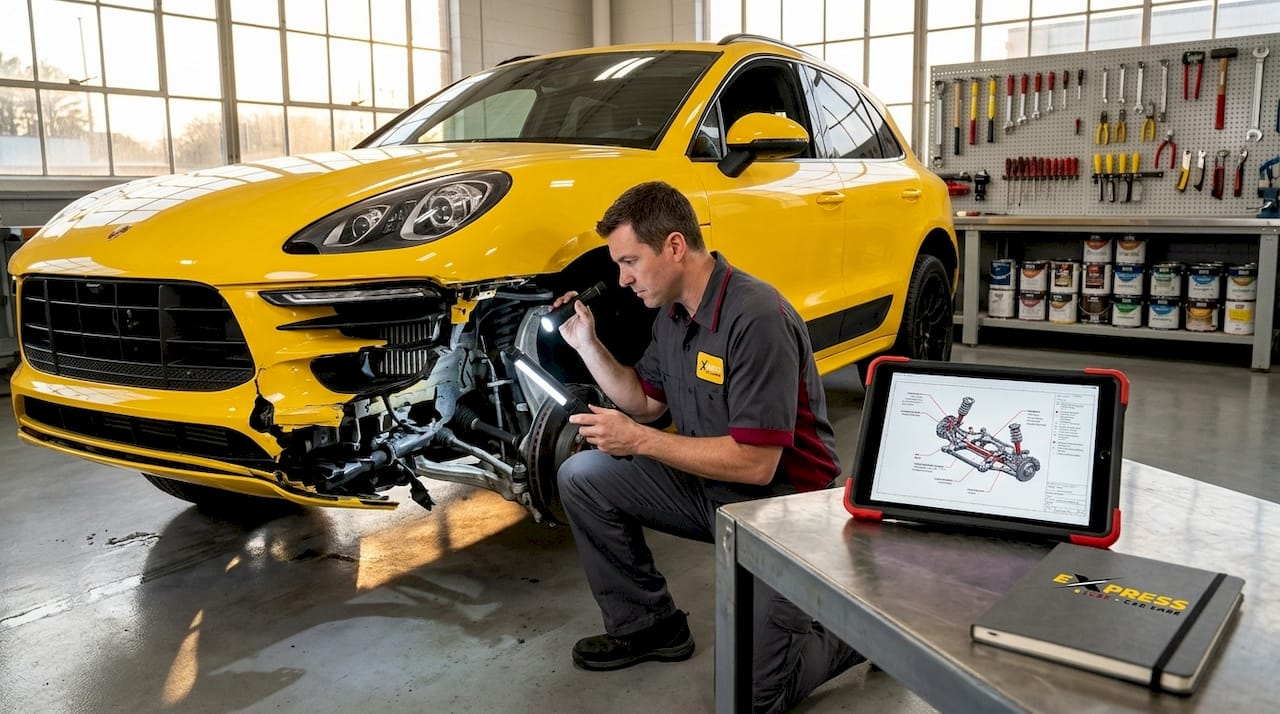
The correct priority order is structural and hidden damage first, cosmetic repairs last. Safety-critical repairs take precedence even when they’re invisible, because driving a vehicle with an uncalibrated collision sensor or a compromised frame creates real danger regardless of how clean the paint looks.
This is a case where the industry’s priority logic differs sharply from a car owner’s natural instinct. A crumpled bumper feels urgent. A misaligned front camera sensor may feel invisible. The camera sensor is the one that actually needs to be fixed first.
6. Side-by-side comparison of priority service types
| Service type | Cost range | Urgency handled | Best use case |
|---|---|---|---|
| Traditional shop repair | Moderate to high | High and low | Complex mechanical work, alignment, engine rebuilds |
| Mobile mechanic service | Moderate | Moderate to high | On-site diagnostics, brakes, batteries, alternators |
| Basic roadside assistance | Low annual cost | Immediate emergency | Local jump starts, flat tires, short tows |
| Premier roadside assistance | Higher annual cost | Immediate emergency | Long-distance breakdowns, rentals, travel reimbursement |
| Express/no-appointment service | Low to moderate | Low to moderate | Oil changes, filters, fluid checks, quick diagnostics |
| Collision repair shop | High | Structural and hidden | Post-accident structural, sensor recalibration |
No single service type wins across every scenario. The right answer depends on what your vehicle needs right now and what your day looks like when the problem happens.
7. How to decide which priority service fits your situation
The goal here is a practical decision, not a perfect one. Ask yourself four questions before you choose a service type.
- How severe is the safety risk? If brakes, tires, or steering are involved, get to a certified shop or call a mobile mechanic today. Do not delay on anything in this category.
- How far do you regularly drive? If you commute long distances or travel frequently, a premier roadside assistance tier is worth the cost. A basic plan is fine if your driving stays local.
- How old is your vehicle? Older vehicles with higher mileage benefit more from proactive scheduled maintenance. Following a mileage-based maintenance schedule helps you stay ahead of failures instead of reacting to them.
- What is your budget right now? If money is tight, prioritize safety repairs and use a repair estimate guide to confirm you’re paying a fair price before you authorize work.
One practical rule that holds up in almost every situation: handle anything that could strand you or hurt you this week. Push everything else into a scheduled slot within the next 30 days. That sequencing keeps you safe without blowing your budget on everything at once.
My take on how mobile services are changing priority repair logic
Working with drivers every day, I’ve noticed something that standard auto repair advice rarely acknowledges. Mobile and on-site repair services are not just a convenience upgrade. They are actually changing how we should think about urgency and priority.
The old logic was simple: fix the worst problem first, at a shop, when you can get an appointment. That logic assumed a shop was always the fastest and most capable option. It isn’t always true anymore. On-site repair dispatch can reach a driver and complete a brake job or diagnostic scan faster than a traditional appointment cycle, especially for drivers who can’t easily arrange a drop-off and pickup.
What I’ve learned from watching this shift is that consumers should now think about two parallel priorities: what needs to be fixed, and which service model gets it fixed fastest given your specific location and schedule. Those are separate decisions, and treating them that way usually leads to a better outcome.
The other thing I’d push back on is the idea that roadside assistance is just “nice to have.” For anyone who drives regularly, a tiered plan matched to your actual driving habits is genuinely protective. The cost of one premium tow without coverage often exceeds a full year of premier roadside plan premiums.
— Express Lube & Car Care
Reliable priority auto repair in the DFW area
When you’re working through your list of repairs and trying to figure out what to handle first, Express Lube & Car Care makes that process a lot simpler. Our ASE-certified technicians handle everything from engine diagnostics to oil changes, brake inspections, and fluid services, with no appointment required and fast turnaround times that get you back on the road the same day.
We’re RepairPal certified, which means our pricing is transparent and our work is held to a documented standard. Whether you’re dealing with a check engine light, overdue maintenance, or need a clear diagnosis before you authorize a larger repair, our team at Express Lube & Car Care in Haltom City is ready to help. Stop in, get a straight answer, and leave with a plan you can trust.
FAQ
What are the main types of car repair priority services?
The main categories are safety-critical mechanical repairs (brakes, tires, steering), scheduled maintenance services (oil changes, fluid replacements), mobile on-site repair, roadside assistance tiers, and collision repair. Each category differs in urgency, cost, and the scenarios where it makes sense.
Which car repairs should always be done first?
Anything that affects your ability to stop, steer, or see should be addressed before any other service. Brake issues, failing tires, and steering problems carry the highest safety risk and should not wait.
When does a mobile mechanic make more sense than a shop?
Mobile mechanics work well for diagnostics, brake pad replacements, battery swaps, and alternator repairs when you can’t easily get to a shop. They reduce downtime by bringing the repair to your location, though complex work requiring a lift still requires a traditional facility.
How do roadside assistance tiers differ from each other?
Basic plans cover short tows and jump starts, while plus-tier plans extend towing to 100 miles and add lockout services. Premier tiers add rental car coverage and travel reimbursement, making them the right fit for frequent long-distance drivers.
Should I follow my shop’s maintenance recommendations or my owner’s manual?
Start with your owner’s manual. Consumer Reports advises comparing shop recommendations against the manufacturer’s maintenance schedule, since shops sometimes suggest services more frequently than your vehicle actually requires.