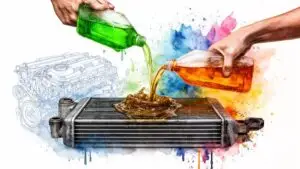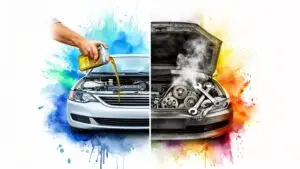

Seasonal car maintenance is defined as a scheduled set of weather-adaptive inspections and service tasks performed at the start of each season to prepare your vehicle for changing road and climate conditions. Understanding what is seasonal car maintenance need means recognizing that your engine, tires, battery, and fluids all respond differently to heat, cold, rain, and road salt. Seasonal maintenance matches vehicle systems to weather challenges, reducing the risk of major repairs and improving fuel economy. Mechanics at shops like Express Lube & Car Care recommend four dedicated service points per year, supported by simple monthly checks, to keep your car safe and reliable through every season.
What is seasonal car maintenance and why does every driver need it?
Seasonal car maintenance, also called weather-adaptive vehicle care, is the practice of scheduling specific inspections and service tasks four times per year to address the unique demands each season places on your vehicle. The concept goes beyond a standard oil change. It covers fluids, tires, battery health, brakes, wiper blades, and climate systems, each of which wears or performs differently depending on temperature and road conditions.
The importance of seasonal maintenance becomes clear when you look at what gets skipped. A battery that holds a charge in July may fail completely in January because cold temperatures reduce battery capacity. Tires inflated correctly in fall will be underinflated by winter, affecting both grip and fuel economy. These are not random failures. They are predictable, and that is exactly what makes seasonal vehicle care so practical.
Seasonal maintenance is a preventive investment that identifies small issues early, like a radiator hose showing wear or a belt starting to crack, before they become roadside emergencies. A coolant flush runs between $200 and $400, and an oil change costs $75 to $150. Compare those figures to an engine repair or a tow, and the math is straightforward. Proactive care costs less, every time.
What are the core maintenance tasks for each season?
Each season brings a specific set of priorities. Knowing what to check for seasonal maintenance at each transition point keeps you ahead of problems rather than reacting to them.
Spring
- Undercarriage wash: Road salt left on the undercarriage accelerates corrosion of brake lines and suspension components. A thorough wash after winter is one of the most overlooked steps in seasonal car upkeep.
- Fluid top-offs: Check engine oil, brake fluid, power steering fluid, and windshield washer fluid. Winter driving depletes these faster than most drivers expect.
- Wiper blade replacement: Winter ice and snow degrade rubber wiper blades quickly. Replacing them in spring restores clear visibility before spring rain arrives. Quality blades from brands like Bosch or Rain-X restore full contact with the windshield.
- Tire inspection: Check tread depth and look for uneven wear patterns caused by winter road conditions.
Summer
- Cooling system check: Heat is the leading cause of summer breakdowns. Inspect the radiator, hoses, and coolant level before temperatures climb.
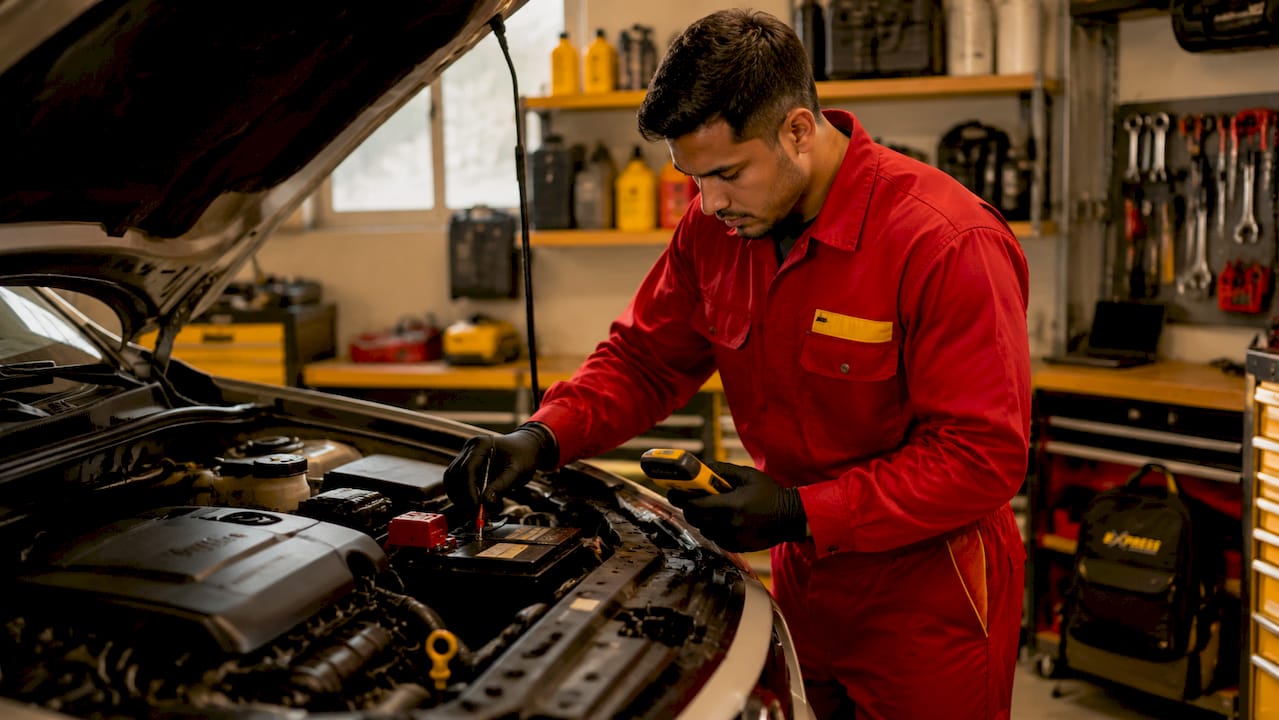
- Battery health test: Heat degrades battery fluid and accelerates internal corrosion. Have your battery tested at a shop if it is more than three years old.
- Tire pressure adjustment: Heat causes air to expand inside tires, which can push pressure above the recommended range and increase blowout risk.
Fall
- Visibility prep: Replace wiper blades again if needed, and check headlights and taillights before shorter days reduce natural light.
- Oil change timing: Fall is a natural checkpoint for an oil change before winter demands more from your engine.
- Tire tread assessment: Assess whether all-season tires have enough tread for wet fall roads, or whether winter tires are warranted in your region.
Winter
- Battery capacity check: Battery failure leads winter breakdowns more than any other single cause. Cold weather reduces a battery’s ability to deliver starting power.
- Antifreeze levels: Verify your coolant mixture is rated for the lowest temperatures in your area.
- Winter tire installation: If you live in a region with regular snow or ice, dedicated winter tires from brands like Michelin X-Ice or Bridgestone Blizzak provide measurably better stopping distances than all-season tires.
Pro Tip: Check your tire pressure only when the tires are cold, meaning the car has been parked for at least three hours. Driving warms the air inside the tire and raises the PSI reading, which gives you a false result.
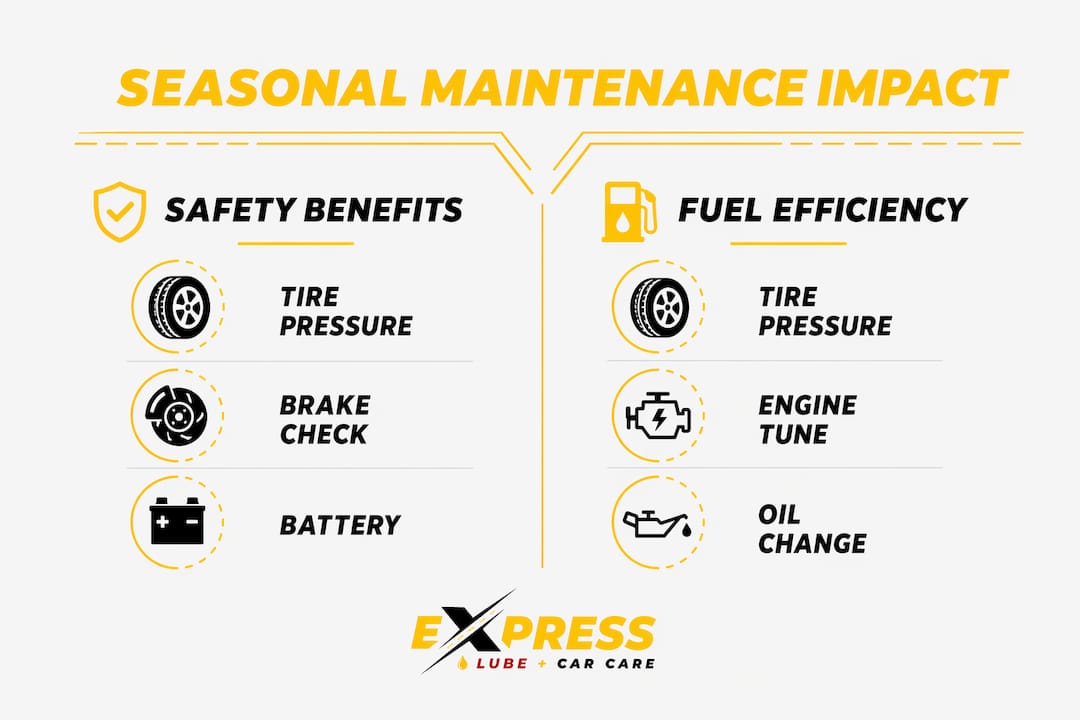
How do seasonal maintenance needs affect safety and fuel efficiency?
Neglecting seasonal car upkeep does not just risk a breakdown. It quietly degrades your vehicle’s safety and costs you money at the pump every single week.
Tire pressure drops approximately 1 PSI for every 10°F decrease in temperature. Most drivers wait for the dashboard warning light to act, but that light only activates when pressure is already significantly low. By that point, handling is compromised and fuel efficiency has already taken a hit. Underinflated tires increase rolling resistance, which forces the engine to work harder and burn more fuel.
Battery performance follows a similar pattern. A battery operating in extreme cold or heat delivers less reliable starting power, and a failed battery means a tow call and a missed workday. The connection between fluid changes and engine health is equally direct. Seasonal extremes classify as severe service conditions, which means sludge builds up faster in the engine if oil change intervals are stretched beyond what the conditions actually demand.
| Maintenance Task | Safety Impact | Efficiency Impact |
|---|---|---|
| Tire pressure check | Reduces blowout and handling risk | Improves fuel economy by up to 3% |
| Coolant flush | Prevents overheating and engine damage | Maintains optimal engine temperature |
| Battery test | Prevents no-start failures in cold or heat | Reduces electrical system strain |
| Oil change | Reduces engine wear and friction | Keeps engine running at designed efficiency |
Pro Tip: If your vehicle has a trip computer that displays real-time fuel economy, check it before and after a seasonal service visit. Many drivers notice a measurable improvement in mpg after a fresh oil change and correctly inflated tires.
How often should seasonal maintenance be performed?
Professional mechanics recommend four comprehensive seasonal checks per year, timed to each season change, plus monthly basic inspections in between. This schedule gives you the right balance between staying ahead of wear and avoiding unnecessary service costs.
Here is a practical monthly routine that takes less than ten minutes and supports your seasonal car maintenance checklist:
- Check tire pressure. Use a quality gauge like a Milton or Accutire digital model. Compare the reading to the sticker inside your driver’s door, not the number on the tire sidewall.
- Inspect fluid levels. Open the hood and check engine oil, coolant, brake fluid, and windshield washer fluid. Low levels often signal a slow leak worth investigating.
- Test all exterior lights. Walk around the car and confirm headlights, brake lights, turn signals, and reverse lights are working. A burned-out brake light is a safety and legal issue.
- Listen and look. Note any new sounds when braking, turning, or accelerating. Check under the car for fluid spots after it has been parked overnight.
Your owner’s manual maintenance intervals are the most reliable guide for your specific vehicle, accounting for your engine type, climate, and driving habits. Generic advice found online often misses vehicle-specific details that matter. A turbocharged engine, for example, needs more frequent oil changes than a naturally aspirated one under the same conditions.
The goal is not to over-maintain or under-maintain. Both extremes cost you money. Over-maintenance beyond manufacturer recommendations raises costs without meaningfully extending vehicle life. Stick to the schedule your manual recommends, and adjust only when your driving conditions are genuinely severe.
What are common misconceptions about seasonal car maintenance?
Several widely held beliefs lead drivers to either spend too much or skip too much when it comes to how to maintain their car seasonally.
- “Seasonal maintenance is too expensive.” The actual cost of a coolant flush, oil change, and tire rotation is a fraction of what a single tow and emergency repair costs. Viewing maintenance as a preventive investment rather than an expense changes how you prioritize it. Small issues caught early, like a worn serpentine belt or a slow coolant leak, cost far less to fix than the failures they prevent.
- “Synthetic oil means I can skip seasonal oil changes.” High-quality synthetic oils do allow longer mileage between changes under normal conditions. However, seasonal extremes promote sludge buildup if you extend intervals beyond what severe service conditions actually allow. Extreme heat and cold both count as severe use.
- “Generic maintenance advice applies to my car.” Every vehicle has different specifications. A 2019 Toyota Camry and a 2019 Ford F-150 have different oil types, coolant mixtures, and service intervals. Your owner’s manual accounts for vehicle-specific factors that no generic checklist can replicate.
- “A quick rinse is enough after winter.” Road salt does not wash off with a basic rinse. It penetrates into the undercarriage and accelerates corrosion of brake lines and suspension components. A pressure wash targeting the wheel wells and undercarriage is the correct approach, and skipping it leads to accelerated component damage over time.
- “If nothing feels wrong, nothing is wrong.” Many developing issues, including low coolant, a weakening battery, and worn brake pads, produce no noticeable symptoms until they fail completely. Scheduled inspections catch these before you feel them.
Key takeaways
Seasonal car maintenance is the most cost-effective way to prevent breakdowns, protect safety, and extend vehicle life across all four seasons.
| Point | Details |
|---|---|
| Four service points per year | Schedule inspections at each season change to address weather-specific wear on fluids, tires, and battery. |
| Tire pressure is temperature-sensitive | Check pressure when tires are cold, since a 10°F drop reduces PSI by 1 and affects both safety and fuel economy. |
| Battery and cooling system are top priorities | Battery failure leads winter breakdowns; cooling system failures are the top summer cause. Address both proactively. |
| Owner’s manual beats generic advice | Your manual accounts for engine type, climate, and driving habits that no universal checklist can match. |
| Maintenance is cheaper than repair | A coolant flush at $200 to $400 costs far less than an engine repair caused by overheating or sludge buildup. |
What we’ve learned from years of seasonal service
At Express Lube & Car Care, we see the same pattern every season. Drivers come in after a breakdown that a simple inspection would have prevented. The battery that failed on a cold January morning showed warning signs in October. The overheated engine in July had low coolant in May. These are not bad luck situations. They are the predictable result of skipping scheduled care.
The two checks we recommend prioritizing above everything else at each season change are the battery and the tires. These two components are the most directly affected by temperature swings, and they are the most common causes of season-related breakdowns. A battery test takes minutes and costs nothing at most shops. Checking tire pressure takes less time than filling up with gas.
We also want to be honest about something the industry does not always say clearly: you do not need to do more than your owner’s manual recommends. More frequent oil changes beyond manufacturer guidance do not make your engine last longer. What does make a difference is consistency. Showing up for the right service at the right time, every time, is what extends your car’s life and keeps repair bills manageable.
If you are ever uncertain about what your vehicle needs, bring it in. A car inspection checklist review with a qualified technician takes the guesswork out of the process and gives you a clear picture of where your vehicle stands heading into any season.
— Express Lube & Car Care
Ready for your next seasonal service?
Drivers in the DFW area trust Express Lube & Car Care for fast, reliable seasonal maintenance with no appointment required. Our ASE-certified technicians handle oil changes, battery testing, fluid top-offs, tire pressure checks, and full seasonal inspections, all with transparent pricing and quick turnaround times.
Whether you are heading into summer heat or preparing for winter cold, our team at Express Lube & Car Care in Haltom City is ready to get your vehicle road-ready. Stop in for a seasonal engine check or a full-service visit at Express Lube & Car Care. No appointment needed. Just drive in and drive out with confidence.
FAQ
What is seasonal car maintenance?
Seasonal car maintenance is a scheduled set of inspections and service tasks performed four times per year to prepare your vehicle for the specific demands of each season, covering fluids, tires, battery, brakes, and climate systems.
How often should I perform seasonal vehicle care?
Mechanics recommend four comprehensive seasonal checks per year, timed to each season change, plus monthly basic inspections of tire pressure, fluid levels, and exterior lights.
What should I check for seasonal maintenance in winter?
Winter seasonal checks focus on battery capacity, antifreeze levels, tire tread or winter tire installation, and brake condition, since cold temperatures reduce battery power and increase stopping distances on icy roads.
Does seasonal upkeep really save money?
Yes. Catching a worn belt or slow coolant leak during a seasonal inspection costs far less than the engine damage or tow that follows a failure. Preventive service consistently costs less than reactive repair.
Can I rely on my dashboard warning lights instead of scheduled checks?
Warning lights activate after a problem has already developed. Proactive seasonal checks catch issues like low tire pressure, a weakening battery, or worn brake pads before they reach the threshold that triggers a warning.