
A lot of vapor lock calls start the same way around Haltom City. The car ran fine leaving the house, then it stumbled at a long light on Denton Highway, died in traffic, or refused to restart after a quick stop. The battery sounds strong. The starter turns. But the engine acts like it’s out of fuel.
That kind of breakdown feels random when you’re standing in summer heat, but it usually isn’t. Car vapor lock is one of those old-school fuel problems that still catches drivers off guard, especially in older carbureted vehicles, classics, and trucks that spend time idling in Texas heat. It can look like a bad fuel pump, a carburetor issue, or an ignition problem, which is why people often spend money chasing the wrong repair.
If your vehicle stalls on hot days, struggles after a hot shutdown, or runs worse in stop-and-go traffic around Haltom City, Watauga, or North Richland Hills, vapor lock belongs on the short list. Once you understand what it is, the symptoms make a lot more sense.
Stranded on a Hot Day? It Could Be Vapor Lock
You pull into a store for five minutes. When you come back out, the engine cranks but won’t catch. Maybe it fires, sputters, then dies. Maybe it restarts after sitting with the hood open, only to act up again at the next stoplight.
That pattern is classic frustration in North Texas. Heat builds under the hood, fuel gets hot, and the problem shows up when you least want it to. It’s common on older vehicles, but I’ve also seen drivers waste a lot of time because the symptoms seem to point somewhere else.

What makes vapor lock so irritating is that the car may behave normally once it cools down. That leads people to think the problem “fixed itself,” when really the fuel just returned to a liquid state long enough for the engine to run again.
Practical rule: If a hot engine won’t restart, then starts later after cooling, don’t assume the problem is gone. Heat-related fuel delivery issues often repeat.
Drivers in Haltom City, Watauga, and North Richland Hills deal with the exact conditions that bring this out. Long idle times, hot pavement, summer traffic, and heat soak after shutdown all work against older fuel systems. The good news is that vapor lock isn’t mysterious once you know what to look for, and there are both temporary and permanent ways to deal with it.
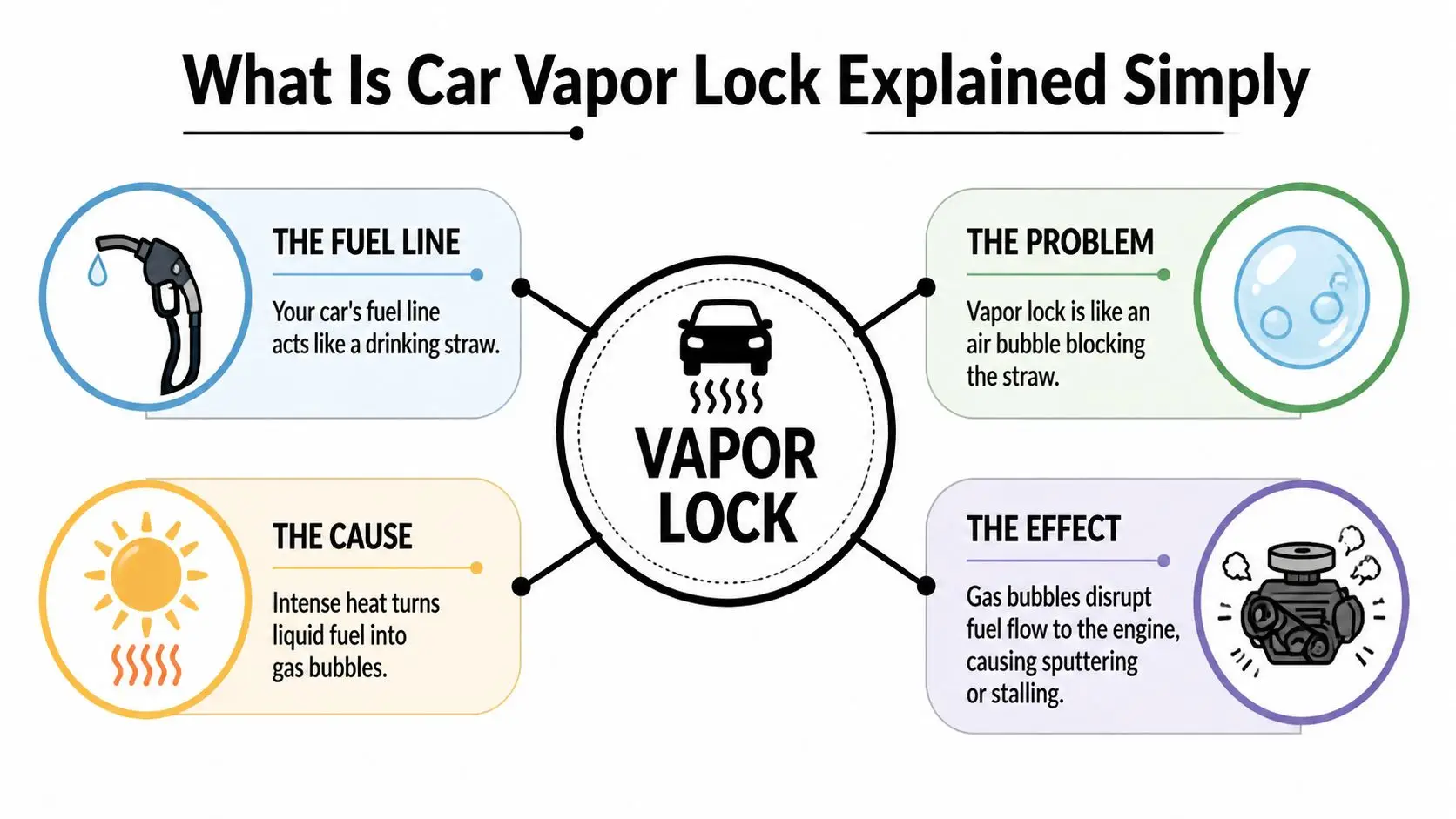
What Is Car Vapor Lock Explained Simply
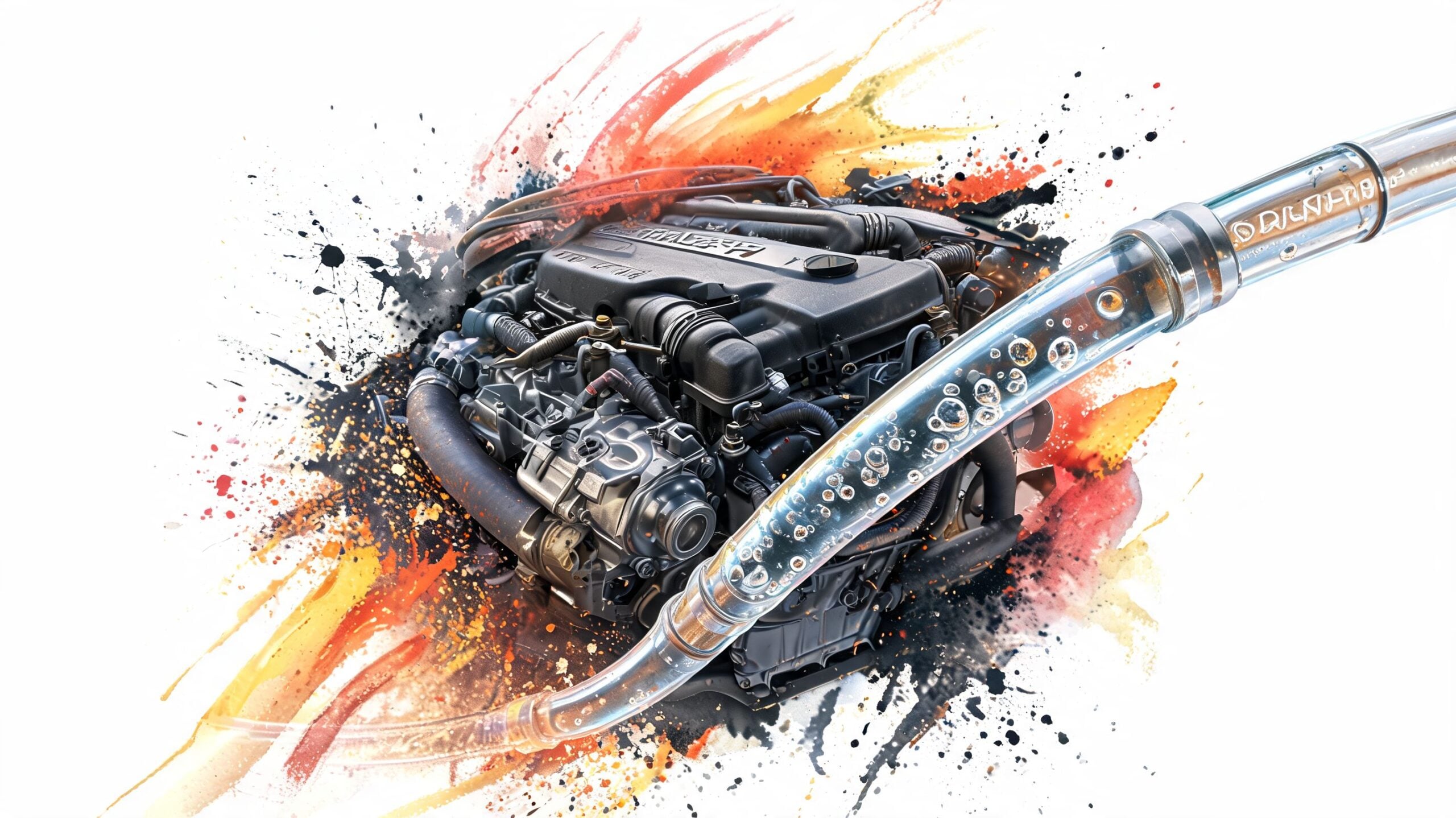
Think of the fuel line like a straw. The engine needs liquid gasoline moving through that straw. If heat turns some of that fuel into vapor before it reaches the engine, the system gets bubbles instead of a steady liquid supply. The engine can’t burn vapor the same way in that part of the system, so it starves for fuel.
That’s vapor lock in plain language. The fuel is there, but it isn’t arriving in the form the engine needs.
Why heat causes the trouble
Gasoline doesn’t have to reach a dramatic rolling boil like water in a pot for this to happen. In a hot engine bay, especially with older fuel routing, parts of the fuel system can get hot enough to let fuel vapor form in the line or around the carburetor.
Once vapor shows up, the pump and carburetor stop getting a clean column of liquid fuel. The engine may hesitate, stumble, lose power, or quit. Then, after things cool off, it may restart like nothing happened.
A simple way to picture it:
- Liquid fuel flows: the engine runs normally.
- Fuel turns to vapor in the wrong place: delivery gets disrupted.
- The carburetor bowl drops: the engine starts running lean or dies.
- The system cools back down: the vapor condenses and the car may restart.
Why older vehicles are more vulnerable
Fuel system design matters more than most drivers realize. Older carbureted vehicles with mechanical, engine-driven fuel pumps operate at low pressure, typically 3 to 7 PSI, while modern fuel-injected systems run at 35 to 60 PSI with an in-tank electric pump that keeps fuel under pressure through the system, according to CarParts’ explanation of vapor lock pressure differences.
That difference changes everything. Older systems often pull fuel forward under vacuum, and that makes fuel more likely to vaporize before it reaches the carburetor. Modern systems push fuel from the tank under higher pressure, which gives them a much bigger margin against boiling.
A carbureted classic and a late-model fuel-injected commuter may sit in the same Texas parking lot. They won’t react to the heat the same way.
The plain-English version
If you want the shortest explanation, it’s this:
| Fuel system type | What happens in heat |
|---|---|
| Older mechanical pump and carburetor | Fuel is easier to vaporize before it reaches the engine |
| Modern in-tank pump and fuel injection | Fuel stays under pressure and is much less likely to boil |
That’s why car vapor lock has such a strong connection to older cars, older trucks, and classics that still use their original fuel system layout.
Symptoms and Causes of Vapor Lock in Texas Heat
In Haltom City, you usually don’t hear the words “vapor lock” first. You hear, “It only does it when it’s hot,” or “It dies in traffic, then starts later.” Those details matter.
What drivers usually notice
The most common pattern is a vehicle that acts normal when cold, then gets worse as heat builds. That may show up in a few different ways:
- Hot restart trouble: You shut the engine off briefly, come back, and it cranks longer than normal or won’t start until it cools.
- Stalling in traffic: The engine begins to sag, stumble, or die during stop-and-go driving.
- Loss of power: It feels flat or weak under throttle on a very hot day.
- Sputtering before shutdown: The car often gives warning signs before it quits completely.
- Intermittent behavior: By the time someone checks it later, the vehicle may run normally again.
Those symptoms overlap with other problems, which is why diagnosis needs some care. If your vehicle has been having fuel delivery issues, it’s also worth understanding when a true pump problem is on the table. This overview of fuel pump replacement warning signs helps separate persistent pump failure from heat-related drivability symptoms.
Why Texas heat makes it worse
Modern fuel chemistry plays a big role. Contemporary gasoline contains ethanol and other additives that lower its boiling point, which makes it more volatile than older blends. Residual heat after shutdown can also create thermal soak, where engine bay heat radiates into fuel lines and causes fuel to vaporize during hot restarts, as described in Prestige Moto’s discussion of vapor lock and thermal soak.
That matches what drivers around Watauga and North Richland Hills experience every summer. The car may survive the drive, then fail after a short errand because the under-hood temperature keeps climbing even after the engine is off.
Heat sources that trigger the problem
A few local driving realities stack the deck against older fuel systems:
- Stop-and-go traffic: Airflow drops, under-hood temperature climbs, and fuel lines absorb more radiant heat.
- Hot pavement and ambient heat: Everything starts hotter and stays hotter.
- Tight engine bays: Older layouts often route fuel lines near components that throw off a lot of heat.
- Aged insulation or line routing: Old rubber, metal lines, and missing shields don’t protect fuel the way they should.
This video gives a useful visual explanation of how the issue develops in real-world conditions.
If a car only acts up after sitting hot, don’t focus only on what happens while driving. The shutdown period is often when the fuel system gets pushed over the edge.
The key is pattern recognition. Heat-related stalling, difficult hot restarts, and a vehicle that behaves better after cooling all point toward car vapor lock far more than people expect.
How to Safely Diagnose and Address Vapor Lock
If you suspect vapor lock on the side of the road, the goal isn’t a full repair. The goal is to stay safe, avoid making the problem worse, and see whether cooling the fuel system changes the behavior.
Start with safety
Pull off somewhere secure. Turn the engine off. Don’t keep cranking it over and over if it’s not catching. That adds heat, drains the battery, and usually doesn’t solve the actual issue.
Open the hood if it’s safe to do so and let trapped heat escape. Give the vehicle time. A lot of vapor lock events improve once temperatures come down.
What you can do without tools
A few simple checks can help:
- Notice the timing. Did it happen after idling, in traffic, or after a brief stop with the engine hot?
- Check for restart after cooling. If it starts normally after sitting, that heat pattern matters.
- Cool exposed metal fuel components carefully. A cool, damp cloth on accessible metal fuel lines or the fuel pump can help shed heat faster. Keep water away from electrical components and don’t work around moving parts.
- Avoid roadside disassembly. This isn’t the moment to start opening fuel connections.
If the vehicle restarts, drive it only as far as needed to get somewhere safe. Treat that as a temporary recovery, not proof that the issue is solved.
Don’t pour fuel, splash water around the carburetor, or improvise with anything flammable. Heat and gasoline demand patience, not shortcuts.
What diagnosis should focus on
A proper diagnosis looks at pattern, temperature, line routing, insulation, pump type, and the conditions that triggered the stall. That’s different from guessing and swapping parts.
If you want a better picture of how technicians sort drivability complaints without jumping straight to replacement, this guide to diagnosing vehicle problems is a useful starting point.
A temporary cooldown can get you moving again. Lasting repair means finding out why the fuel got hot enough to vaporize in the first place.
Expert Repair and Prevention at Express Lube & Car Care
Vapor lock frustrates people because the wrong repair can look reasonable. A shop hears “stalling” and thinks fuel pump. Another hears “hard hot restart” and blames the carburetor. Sometimes those parts really are worn out. Sometimes they aren’t.
The cost difference between guessing and diagnosing is real. Vapor lock symptoms are misdiagnosed as fuel pump or carburetor failure 70 to 80 percent of the time by mechanics unfamiliar with the issue. Proper diagnosis and fixes such as heat shields or fuel line rerouting typically cost $25 to $150 with a 90 to 95 percent success rate, while unnecessary repairs like a carburetor rebuild can cost $200 to $1,500 with only a 30 to 40 percent chance of solving the problem, according to Fleet Rabbit’s breakdown of vapor lock misdiagnosis and repair outcomes.
What tends to work
The best repair depends on the vehicle, but technicians usually solve vapor lock by reducing heat exposure or changing how fuel moves through the system.
- Fuel line rerouting: If a line runs too close to exhaust heat or trapped hot air, moving it can make a major difference.
- Heat shields or insulating sleeves: These help protect fuel from radiant heat.
- Electric fuel pump upgrades: On the right older vehicle, converting from a suction-side mechanical setup to an electric pump can improve hot-weather reliability.
- Carburetor spacers: These can reduce heat transfer into the carburetor on some applications.
- Cooling system service: A vehicle that runs hotter under the hood is more likely to trigger fuel problems.
What usually doesn’t work
Throwing parts at the complaint is where people lose money.
A rebuilt carburetor won’t fix fuel boiling in a line routed too close to a heat source. A new mechanical pump may still struggle if system design itself is the problem. Random additives and guesswork also tend to create more confusion than results.
Good repair starts with the question, “Where is the fuel getting too hot?” Not, “Which part can we replace first?”
For vehicles with repeat hot-weather drivability issues, a technician should also inspect the rest of the fuel path. If you’re dealing with recurring stalling or classic-car fuel delivery trouble, it helps to look at the bigger picture around the fuel system service options available here.
In a place like Haltom City, prevention matters just as much as repair. A car that only vapor locks in August is still a car that can leave you stranded in traffic. Fixing the root cause is cheaper than repeating the same summer breakdown.
Why Modern Fuel Affects Classic Cars Most
Classic car owners often say the same thing: “This car never used to do that.” They’re not imagining it. The fuel changed, but the vehicle’s original system design didn’t.
Vapor lock became a known issue in the 1920s and 1930s with carbureted engines, and 1950s studies confirmed that mechanical fuel pumps pulling fuel under vacuum from the tank increased the risk. Today, ethanol-blended gasoline can vaporize 20 to 30 percent more readily than vintage fuels, which makes this old problem much more common for classic cars in hot climates, according to Boldmethod’s historical overview of vapor lock.
Why old design and new fuel clash
A classic vehicle was built around the gasoline available at the time. Its fuel pump, line routing, carburetor, and engine bay layout all assumed a certain fuel behavior. Modern ethanol-blended fuel is more volatile, so the old setup reaches its limit sooner.
That’s why a car that ran acceptably for years may suddenly start acting up in summer traffic or after hot shutdowns. The machine didn’t necessarily get worse overnight. The operating environment changed around it.
What classic owners should pay attention to
If you keep an older car in Haltom City, Keller, Watauga, or North Richland Hills, pay close attention to maintenance that helps fuel stay clean and flow correctly. Even when vapor lock is heat-driven, neglected fuel systems make diagnosis harder and operation less consistent. This overview of when a fuel system flush may help can help owners think through the maintenance side of the equation.
Classic cars can still be reliable in Texas heat. They just need fuel system decisions that match modern gasoline, not yesterday’s assumptions.
Keep Your Vehicle Running Smoothly in Haltom City
Car vapor lock is a real problem, especially when heat, traffic, and older fuel system design all come together. The symptoms usually follow a pattern. Stalling when hot, difficult restarts after a short stop, and a vehicle that behaves better after cooling are all clues worth taking seriously.
You can do some safe roadside cooling and observation, but repeat episodes need proper diagnosis. If you drive in Haltom City, Watauga, North Richland Hills, or nearby areas, it’s smarter to solve the heat and fuel delivery problem before the next breakdown leaves you stuck on the shoulder.
Common Questions About Car Vapor Lock
Some of the most useful questions come after a driver has already been stranded once. Here are the ones that come up most often.
Quick answers that help
| Question | Answer |
|---|---|
| Can vapor lock damage my engine permanently? | Vapor lock is mainly a fuel delivery problem. One episode doesn’t usually mean permanent engine damage, but repeated stalling in unsafe conditions or repeated no-start situations can create bigger reliability and safety problems. |
| Does vapor lock happen only in old cars? | It’s most strongly associated with older carbureted vehicles. Modern fuel-injected vehicles are much less prone because of how their pumps and fuel systems are designed. |
| Will fuel additives fix it? | Sometimes an additive gets recommended, but additives aren’t the first thing to trust. If line routing, heat soak, or pump design is causing the issue, the lasting fix is mechanical, not chemical. |
| Can high altitude make it worse? | Yes. Lower pressure makes fuel more likely to vaporize, so altitude can increase susceptibility, especially in older systems already close to the limit. |
| Should I keep driving if it restarts? | Only far enough to reach a safe location or a repair facility. A restart after cooling doesn’t mean the cause is gone. |
| Is this the same as a bad fuel pump? | Not always. The symptoms can overlap, which is why heat pattern and proper diagnosis matter. |
| What’s the best prevention step? | Reduce fuel heat. That can mean inspecting routing, shielding, insulation, pump setup, and overall under-hood temperature control. |
A vehicle that stalls only in heat is giving you diagnostic information. Don’t ignore the pattern just because it starts again later.
If your car stalls on hot days, struggles after a short stop, or keeps showing signs of car vapor lock around Haltom City, get it checked before it strands you again. The team at Express Lube and Car Care can inspect the fuel system, cooling system, and heat-related causes behind repeated hot-weather drivability problems so you can get back to dependable driving.