
That dark, oily spot on your driveway is a dead giveaway that something’s up. When people ask, “why is my car leaking oil?” the simple answer is that a seal or gasket has failed. After thousands of miles of heat and pressure, these parts get old and brittle, letting motor oil seep out of the engine. It’s a really common problem, and while it always needs to be addressed, it’s usually very fixable.
That Puddle Under Your Car: Uncovering the Leak
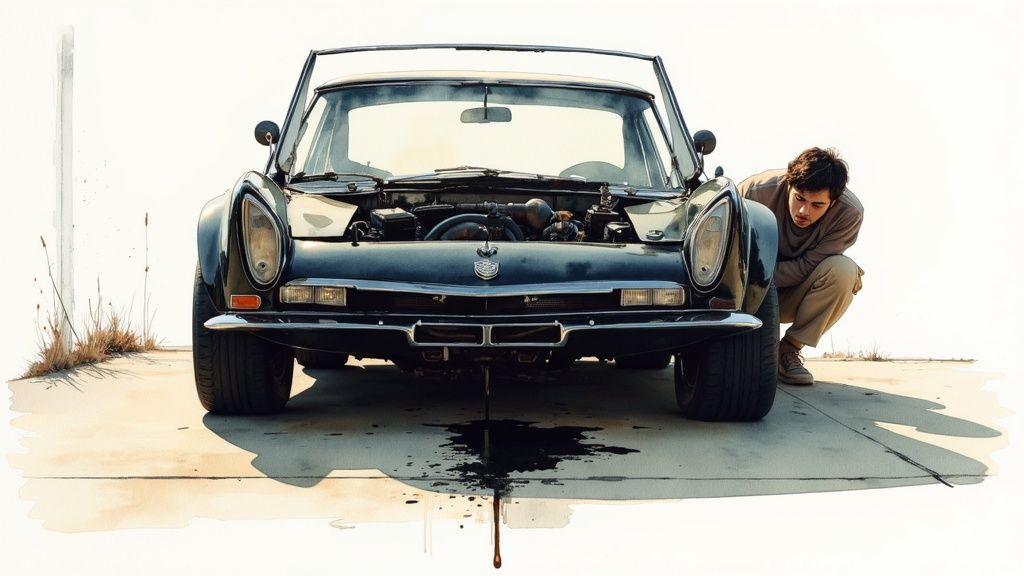
Seeing that ominous puddle is enough to make any driver’s stomach drop, but figuring out where it’s coming from is the first step toward getting it fixed. I like to think of an engine’s oil system like the circulatory system in our bodies. The gaskets, seals, and hoses are the veins and arteries, and they have one job: keep the lifeblood—your motor oil—contained and flowing exactly where it needs to go.
Over time, though, these components take a beating. They endure constant vibration and extreme temperature swings, from freezing cold to hundreds of degrees. Eventually, materials like rubber and cork just can’t take it anymore. They harden, get brittle, and start to crack, creating the perfect escape route for oil.
The location and color of the drip are your first and best clues. A slow drip of dark, brownish-black oil might point to a minor gasket wearing out. On the other hand, a big, fast-forming puddle of fresh, amber-colored oil is a red flag for a much more serious problem that needs to be looked at right away.
To give you a head start, the table below is a quick reference guide. It helps connect the dots between where you see the drip and what might be causing it, so you can get a feel for how serious the situation is before we dig into the specifics.
Quick Guide to Common Oil Leak Sources
This table helps you quickly identify a potential oil leak source based on where you see the drip and what it looks like.
| Leak Source | Drip Location (Under Car) | Fluid Color | Urgency Level |
|---|---|---|---|
| Valve Cover Gasket | Top/Side of Engine | Brown or Black | Low to Medium |
| Oil Pan Gasket | Bottom Center of Engine | Brown or Black | Medium |
| Drain Plug | Bottom of Oil Pan | Brown, Black, or Amber | Medium |
| Oil Filter | Side of Engine | Brown, Black, or Amber | High |
| Rear Main Seal | Between Engine/Transmission | Brown or Black | High |
This is just a starting point, of course, but it can help you narrow down the possibilities. Now, let’s get into the nitty-gritty of what each of these common culprits is and what it takes to fix them.
The Usual Suspects: Common Causes of Engine Oil Leaks
Think of your engine as a high-pressure circulatory system for oil. To keep that oil flowing where it needs to and contained within the engine, a whole network of gaskets and seals are put to work. But these components don’t last forever. The constant exposure to extreme heat, vibration, and pressure eventually causes them to break down, and that’s when you start seeing those tell-tale drips on your driveway.
These seals are the unsung heroes holding everything together. Most are made from materials like rubber, cork, or silicone, designed to create a perfect, leak-proof barrier between two metal parts. After years of service and tens of thousands of miles, they simply lose their flexibility, turning hard and brittle until they finally crack.
It’s Usually a Worn-Out Gasket or Seal
More often than not, the answer to “why is my car leaking oil?” is a failed gasket. Your engine has several of them, and figuring out which one has given up the ghost is mostly a matter of tracking the leak back to its source.
Here are the most common culprits:
- Valve Cover Gasket: You’ll find this one right at the top of your engine, sealing the valve cover to the cylinder head. When it fails, oil seeps out and trickles down the side of the engine. If it drips onto the hot exhaust manifold, you’ll likely smell a distinct burning oil odor.
- Oil Pan Gasket: This gasket seals the oil pan—your engine’s oil reservoir—at the very bottom. A leak here is one of the most frequent issues we see, leaving drips directly underneath the engine.
- Oil Cooler Lines: On some vehicles, these lines help keep the oil temperature in check. Over time, the rubber hoses can become brittle or the fittings can loosen, causing a leak. If you trace the leak to this area, you might need a specific part like an oil cooler gasket genuine OEM replacement.
These parts are built tough, but the constant cycle of heating up and cooling down eventually wins. It’s not a matter of if they’ll fail, but when.
Sometimes, It’s the Simple Stuff: Plugs and Filters
Not every leak is caused by a worn-out part. Sometimes, the problem is a component that wasn’t installed correctly or has worked its way loose—something we often see after a recent oil change where things weren’t buttoned up properly.
A loose or poorly fitted oil filter is a classic example. A common mistake is “double-gasketing,” where the old filter’s rubber gasket sticks to the engine and the new filter is screwed on right over it. This creates a terrible seal and a major leak. Even a filter that’s a little too loose or cranked on too tight can fail to seal correctly.
Another frequent source is the oil drain plug. This is the bolt at the bottom of the oil pan that’s removed to drain the oil. If it isn’t tightened to the manufacturer’s torque spec, or if its little crush washer is old and worn out, it will slowly drip. This leak shows up in the same spot as an oil pan gasket leak, so you have to look closely to tell the difference.
Believe it or not, failing seals are a massive issue industry-wide. The global market for automotive leaky oil seals is expected to hit around $8,000 million by 2025. Most rubber seals start to harden after 100,000 miles or 5-7 years, eventually cracking under pressure from engine oil that can easily reach 250°F.
Deeper Issues and More Serious Leaks
While gaskets, plugs, and filters are the low-hanging fruit, sometimes the problem runs a bit deeper. For instance, a clogged Positive Crankcase Ventilation (PCV) valve can cause pressure to build up inside the crankcase. That pressure has to go somewhere, so it often forces oil right past your engine’s weakest seals.
Then there’s the big one: a leaking rear main seal. This crucial seal sits between the engine and the transmission, and replacing it is no small feat. The job requires removing the entire transmission just to get to the seal, which is why it’s one of the more expensive and labor-intensive oil leak repairs you can face.
How to Diagnose an Oil Leak at Home
Ready to play detective? You don’t always need to head straight to the shop to figure out where that oil leak is coming from. With a few simple checks, you can get a much better idea of what’s going on, which helps whether you plan to fix it yourself or explain it to a pro.
First thing’s first: safety. Always park your car on a flat, level surface and let the engine cool down completely. A hot engine or exhaust can give you a nasty burn, so never start poking around right after a drive.
The Cardboard Trick: Your Best First Step
One of the oldest and easiest tricks in the book is using a piece of cardboard. Just slide a large, clean slab of it under your engine and let the car sit overnight. In the morning, you’ll have a clear map of where the drips are landing.
- Drips near the front and center? That often points to a leaky oil pan gasket or drain plug.
- Drips closer to the wheels? This might suggest a problem with an axle seal.
- A spray or scattered pattern? This is a classic sign of oil hitting a moving part, like a pulley, and getting flung around the engine bay.
This visual guide shows the most common places oil can escape from the top or bottom of your engine.
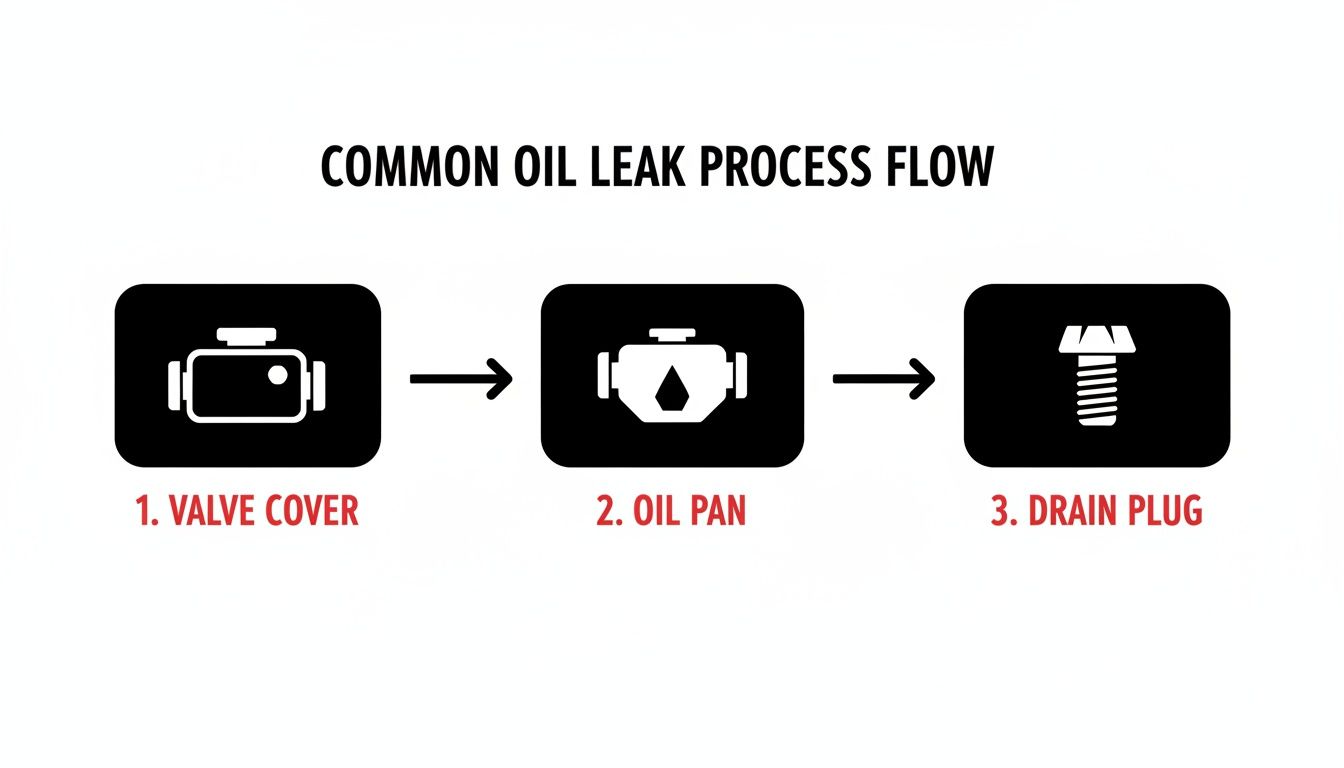
As you can see, leaks that start up high, like from a valve cover, tend to run down the side of the engine before they ever hit the ground.
Inspecting the Engine Bay
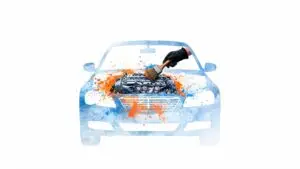
Once the cardboard gives you a general area to check, it’s time to get a closer look under the hood. The first step is to clean the grimy area. It’s nearly impossible to spot a fresh leak when everything is already caked in old oil and road dust. Grab a can of engine degreaser and a few rags and wipe down the suspected source.
After it’s clean, take the car for a quick spin around the block. Park it again, grab a good flashlight, and inspect the area you just cleaned. You should see a fresh, clean trail of oil coming directly from the culprit. This is the surest way to confirm which seal or gasket has failed.
Pro Tip: Gravity is your enemy here. A leak that looks like it’s coming from the oil pan might actually be starting way up at the valve cover and just dripping down. Always start your search at the highest point of the engine and work your way down.
Are You Sure It’s Engine Oil?
Remember, not every spot on your driveway is from an oil leak. Your car has a bunch of different fluids, and figuring out which one it is is a key part of the diagnosis.
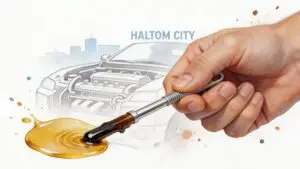
- Engine Oil: Feels slick and is usually amber to dark brown or black. It has a distinct, sometimes slightly burnt, smell.
- Transmission Fluid: This is typically reddish (though it can turn brown with age) and often has a slightly sweet or tart odor.
- Coolant (Antifreeze): Look for bright colors like green, pink, or orange. It feels watery and has a uniquely sticky, sweet smell.
- Brake Fluid: Usually clear to yellowish-brown and feels very slippery, almost like vegetable oil.
A simple trick is to dip the corner of a clean paper towel into the puddle to get a true sense of its color. And when you’re topping off your oil, using a flexible automotive funnel for fluid transfers can prevent messy spills that you might mistake for a real leak later on.
Estimating Your Oil Leak Repair Costs
Once you’ve spotted an oil leak, the next question is always the same: “Okay, how much is this going to set me back?” The truth is, fixing an oil leak can range from pocket change to a pretty serious investment. The final bill almost always comes down to one thing: which part failed and how buried it is in the engine bay.
Some fixes are thankfully simple and cheap. For example, a leaky oil drain plug washer is often replaced during a standard oil change for just a few extra bucks. Sometimes, the “fix” is as easy as tightening a loose oil filter, which costs next to nothing in labor.
Why Labor Is the Biggest Factor
The real driver of your repair cost is almost always the labor involved. Think of it this way: the valve cover gasket itself might only be a $20 to $50 part. But if a mechanic has to spend an hour or two carefully removing other engine components just to get to it, you’re paying for that time and expertise. This is why a tiny leak can sometimes come with a surprisingly large repair quote.
It gets more involved from there. To replace an oil pan gasket, a technician has to drain all the oil and often remove exhaust pipes or even parts of the vehicle’s subframe just to unbolt the pan. All that extra work means more hours on the shop lift, which directly translates to a higher bill.
The most extreme example? The rear main seal. The seal itself is cheap—maybe a $30 part. But to replace it, the mechanic has to pull the entire transmission out of the car. Suddenly, that tiny seal becomes a major job that can easily run over $1,000 simply because of the intensive labor required.
Estimated Repair Costs for Common Oil Leaks
To give you a better idea of what to expect, we’ve put together some ballpark figures for common oil leak repairs. Remember, these are just estimates. The final cost will depend on your vehicle’s make and model, your location, and the shop’s specific labor rates.
| Repair Job | Estimated Parts Cost | Estimated Labor Cost | Total Estimated Cost |
|---|---|---|---|
| Drain Plug Washer | $2 – $10 | $15 – $30 | $17 – $40 |
| Oil Filter Gasket | $5 – $20 | $50 – $100 | $55 – $120 |
| Valve Cover Gasket | $20 – $50 | $150 – $350 | $170 – $400 |
| Oil Pan Gasket | $40 – $100 | $250 – $500 | $290 – $600 |
| Rear Main Seal | $20 – $60 | $600 – $1,200+ | $620 – $1,260+ |
Seeing the numbers laid out like this really helps clarify why a professional quote is about so much more than the cost of a gasket. You’re investing in a technician’s skill, their specialized tools, and the time it takes to get your vehicle back on the road safely and without leaks.
Proactive Maintenance to Prevent Future Oil Leaks
As any seasoned mechanic will tell you, the best repair is the one you never have to make. Instead of just reacting to oil spots on your driveway, you can get ahead of the problem. A little proactive maintenance goes a long way in preventing those pesky drips from ever starting, saving you from future headaches and surprise repair bills.
It all boils down to the lifeblood of your engine: the oil itself. Think of it like a specific prescription for your car—using the wrong type can cause all sorts of problems. Every engine is built to run on a particular oil viscosity and formula, whether that’s conventional, a synthetic blend, or full synthetic.
Using an oil that’s too thick or too thin, or one that’s missing the right additives, puts extra stress on your engine’s seals and gaskets. Over time, the wrong fluid can make those rubber parts hard, brittle, or swollen, creating the perfect escape route for oil.
The Power of Routine Oil Changes
An oil change is so much more than a simple chore; it’s your number one defense against leaks. Fresh oil does its job perfectly, lubricating parts and managing heat, which keeps everything running smoothly. On the other hand, old, dirty oil is full of contaminants that act like liquid sandpaper, putting a ton of strain on your engine’s seals.
This is also why getting it done by a professional is so valuable. When you bring your car to Express Lube & Car Care for an oil change, our technicians have their eyes peeled for the little things you might not notice.
- Spotting Gasket Wear: We can see if a gasket is starting to look brittle or “sweat” a bit of oil, long before it turns into a real leak.
- Checking Hoses and Lines: Our techs will inspect oil cooler lines and other important hoses for any cracks, softness, or signs of aging.
- Ensuring a Perfect Seal: We make sure the new oil filter and drain plug are tightened to the exact right specification—a common source of leaks when not done correctly. To see why a quality filter is so crucial, take a look at our guide on the LF642 oil filter element for premium engine protection.
Choosing the Right Oil Matters More Than You Think
The type and quality of oil you put in your car directly affect how long its engine lasts. It’s a bigger deal than most people realize. In fact, studies show that using the wrong oil is a major cause of leaks. In some parts of the world, counterfeit lubricants make up a shocking 15% of the market, which leads directly to seal failure.
Even an honest DIY mistake, like pouring modern full synthetic oil into an older engine designed for conventional oil, can cause seals to leak because they simply aren’t compatible. You can dig deeper into the global automotive engine oils market on MordorIntelligence.com.
By simply following your car manufacturer’s recommended service schedule and always using high-quality oil designed for your engine, you’re giving your car its best shot at staying leak-free and running strong for years.
When You Should Call a Professional Mechanic
Look, a few small oil drips on your driveway might not feel like a five-alarm fire. But some symptoms are your car’s way of screaming for help, and knowing when to trade your flashlight for the phone is the key to preventing a small headache from turning into a catastrophic engine failure.
Some situations are non-negotiable and need a professional right away. If you see a large, rapidly growing puddle of oil spreading under your car, that’s a major leak. Driving with low oil is one of the fastest ways to kill an engine, plain and simple.
Red Flags That Require an Expert
Certain warning signs go way beyond a simple drip. These are indicators that the problem is serious and could put both your vehicle and your safety at risk. If you notice any of these, it’s time to get a pro involved.
- Smoke from the Engine Bay: See blue or white smoke coming from under the hood? That means oil is leaking directly onto hot engine parts, like the exhaust manifold. This isn’t just a leak anymore—it’s a potential fire hazard.
- A Strong Burning Oil Smell: That sharp, acrid smell of burning oil inside or outside the car is another dead giveaway. It confirms oil is hitting something very hot, and you shouldn’t just write it off as a typical “old car” smell.
- The Oil Pressure Light Comes On: This is the big one. If that little red oil can symbol lights up on your dashboard, it’s your engine’s SOS signal. It means there isn’t enough oil pressure to safely lubricate all the moving parts. Pull over safely, and shut the engine off immediately.
A sudden loss of oil can cause internal friction to skyrocket, leading to overheated parts and, in the worst-case scenario, a seized engine. When your oil light comes on, it’s not a suggestion—it’s an emergency stop signal.
Beyond these urgent warnings, some repairs are just too big for the home garage. Take a rear main seal replacement. This isn’t a simple parts swap; it requires removing the entire transmission to access the seal. That’s a massive job needing special tools, a vehicle lift, and a whole lot of know-how.
For folks here in Haltom City and the surrounding areas, this is where you trust the pros. At Express Lube & Car Care, our certified technicians have the right diagnostic gear and years of experience to tackle these jobs safely and get them done right the first time.
Common Questions About Car Oil Leaks
When you see that tell-tale puddle under your car, a lot of questions probably pop into your head. Let’s tackle some of the most common ones.
The first thing most people wonder is, “Can I still drive my car?” The answer really depends on how bad the leak is. If you’re seeing a few drops here and there, you can likely drive it carefully to the shop. But if you see a large, fast-growing puddle, it’s time to pull over safely and turn off the engine.
Another big question is how to tell if it’s actually engine oil. You can usually figure this out by looking at the color and feel. Engine oil is typically amber to dark brown and feels slippery between your fingers. In contrast, transmission fluid is usually red, and coolant is often a bright green or orange with a distinctively sweet smell.
Can a Small Leak Cause Big Problems?
It’s tempting to ignore a tiny drip on the driveway, but even a small leak can snowball into a massive headache. A slow, steady leak means your engine is constantly losing its lifeblood. As the oil level drops, friction and heat spike, forcing internal components to work much harder and wear out faster. What started as a minor fix can quickly become a major engine repair.
And it’s not just about your car. Those drips have a surprisingly large environmental impact. According to the EPA, just one quart of oil has the potential to contaminate up to 250,000 gallons of water. Think about the millions of cars on the road—those small leaks add up, polluting soil and waterways. You can read more about the environmental impact of used engine oil on GreenCityTimes.com.
An untreated leak doesn’t just stain your driveway; it starves your engine of its most vital fluid. Ignoring it is like ignoring a slow leak in a tire—eventually, it will leave you stranded and facing a much bigger bill.
Taking care of a leak as soon as you spot it is the best way to protect your car, your wallet, and the environment.
If you’re dealing with an oil leak, don’t wait for it to get worse. The certified technicians at Express Lube & Car Care have the expertise to find the source and fix it right the first time. Schedule your appointment with us today!