

Quick lube services and dealership maintenance represent two distinct approaches to car care, each with real trade-offs in cost, speed, and expertise. Understanding the quick lube vs dealership differences helps you make smarter decisions for your vehicle and your schedule. Dealer share of service visits fell from 33% to 29%, a clear signal that more car owners are choosing quick lubes and independent shops for routine work. This guide breaks down cost, speed, technician expertise, and upsell pressure so you can decide which option fits your priorities in 2026.
1. Quick lube vs dealership differences: what each service actually is
A quick lube shop, such as those operating under the Jiffy Lube or Valvoline Instant Oil Change model, focuses on high-volume, fast-turnaround services. Oil changes, filter swaps, fluid top-offs, and basic tire checks are the core offerings. No appointment is needed, and the entire visit is designed to get you back on the road in under 30 minutes.
A dealership service department operates differently. Factory-trained technicians specialize in specific makes and models, using OEM (original equipment manufacturer) diagnostic tools and software. The scope covers everything from routine oil changes to complex engine diagnostics, warranty repairs, and safety recalls. The trade-off is time, cost, and the need to schedule ahead.
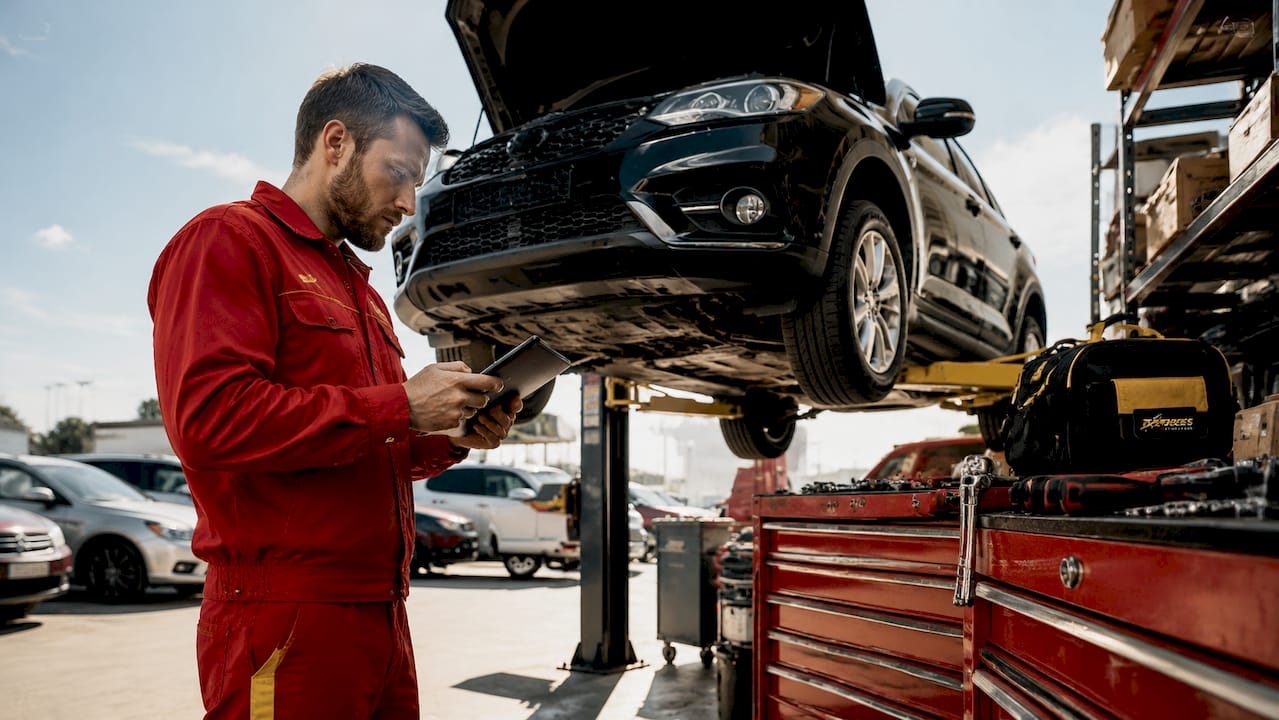
Quick lube shops focus on routine, high-turnover services and do not handle complex diagnostics or warranty work. That single fact shapes nearly every other difference between the two options.
2. Cost comparison: what you actually pay at each option
Price is the most immediate difference most drivers notice. Synthetic oil changes at dealerships often cost $100 to $120 or more, while quick lube synthetic oil changes typically run $50 to $80. That gap is not trivial over the life of a vehicle, especially if you follow a 5,000 to 7,500 mile oil change interval.
The gap is also widening. Dealership service prices have risen faster than quick lube competitor prices, according to Ducker Carlisle research cited by Automotive News in April 2026. This means the affordability advantage of quick lubes is growing, not shrinking, which explains why routine maintenance dollars are shifting away from dealerships.
Dealerships justify their higher prices through specialized expertise, OEM parts, and comprehensive inspections. For many owners, that value is real. For a straightforward oil change on a vehicle running well, it is harder to justify paying double.
Pro Tip: Always request an itemized estimate before any service visit. Compare the line items against your vehicle’s manufacturer maintenance schedule, which you can find in your owner’s manual or on the automaker’s website. You can also review our guide on verifying auto repair estimates to avoid overpaying.
3. Speed and convenience: how each option fits a busy schedule
Time is often the deciding factor for drivers with full schedules. Quick lube services typically complete oil changes in under 30 minutes without an appointment, which makes them a practical choice for routine maintenance during a lunch break or between errands.
Dealerships operate on a different timeline. Fewer than 20% of dealership customers receive same-day service completed in under one hour, while roughly 50% of aftermarket customers get faster service. That statistic reflects a structural reality: dealership service lanes handle complex repairs alongside routine jobs, which creates longer wait times for everyone.
Here is how the convenience factors break down between the two options:
- Scheduling: Quick lubes accept walk-ins. Dealerships typically require appointments booked days or weeks in advance.
- Wait time: Quick lubes average under 30 minutes for an oil change. Dealership oil changes often take 1 to 2 hours, including check-in and inspection time.
- Location access: Quick lube chains have dense coverage in most metro areas. Dealerships are tied to specific makes and locations.
- Digital tools: Many dealerships now offer online scheduling, video inspection reports, and digital approval for repairs, which improves the experience even if the wait remains longer.
- Amenities: Dealerships often provide waiting lounges, loaner vehicles, and shuttle services. Quick lubes prioritize speed over comfort.
For drivers who value time above all else, the express service advantages of a quick lube are difficult to match for routine maintenance.
4. Technician expertise and service quality: who works on your car
This is where dealerships hold a genuine advantage. Dealership technicians are factory-trained for your vehicle’s specific make and model, and they use OEM diagnostic software that independent shops and quick lubes do not have access to. For a Toyota Camry or a Ford F-150, a Toyota or Ford dealership technician has model-specific training that a general quick lube tech simply does not.
Quick lube technicians are trained for speed and consistency on routine services. They handle oil changes, filter replacements, and fluid checks efficiently, but their training does not extend to complex diagnostics, transmission repairs, or software updates. This is not a criticism. It is a design choice that matches the service model.
- Dealership strengths: Warranty repairs, safety recalls, complex diagnostics, OEM parts, make-specific software updates
- Quick lube strengths: Fast routine maintenance, consistent oil change execution, multi-point visual checks, no appointment needed
- Where dealerships are essential: New vehicles under warranty, any repair covered by a recall, and situations where a misdiagnosis could void your warranty
- Where quick lubes are sufficient: Routine oil changes, air filter swaps, wiper blade replacements, and fluid top-offs on vehicles outside warranty
“Dealerships win on trust, but lose on price as car owners head elsewhere.” This finding from J.D. Power’s 2026 U.S. Aftermarket Service Index Study captures the core tension every car owner faces when choosing where to service their vehicle.
For owners of vehicles still under manufacturer warranty, the dealership is often the right call for anything beyond a basic oil change. For everyone else, the choice depends on the complexity of the job.
5. Upsells and add-ons: what to expect and how to stay in control
Both quick lubes and dealerships recommend additional services during your visit. The difference is in scope and pressure. Quick lube techs often suggest air filter replacements, cabin filter swaps, transmission fluid changes, or tire rotations. Some of these are genuinely needed. Others may be recommended ahead of schedule.
Owners should compare quick lube recommended add-ons to their manufacturer maintenance schedules to avoid paying for non-essential extras, according to AAA Car Doctor guidance from May 2026. Your owner’s manual lists exact mileage intervals for every service, and that document is your best defense against unnecessary spending.
Dealerships take a broader approach. A comprehensive multi-point inspection is standard, and the resulting report may include recommendations for brake service, tire replacement, coolant flushes, or other repairs. These recommendations are often legitimate, but the higher labor rates mean the total bill can grow quickly.
- Check your owner’s manual before any service visit so you know what is actually due.
- Ask for the old parts back after any filter or component replacement to confirm the work was done.
- Decline any service you cannot verify against your maintenance schedule and revisit it at your next visit if needed.
- For expensive repairs recommended at a quick lube, get a second opinion from a certified shop before approving the work.
Pro Tip: Keep a simple maintenance log in your glove box or phone. Note the date, mileage, and every service performed. This makes it easy to push back on premature upsells at any shop.
6. Which option is right for your situation?
The honest answer is that neither option is universally better. The right choice depends on your vehicle, your warranty status, and what you need done.
| Scenario | Best option | Reason |
|---|---|---|
| Routine oil change, vehicle out of warranty | Quick lube | Faster, more affordable, no appointment needed |
| New vehicle under manufacturer warranty | Dealership | Preserves warranty, OEM parts and software |
| Safety recall or warranty repair | Dealership | Only dealerships can perform recall work |
| Complex diagnostic or check engine light | Dealership or certified shop | Requires OEM tools and model-specific training |
| EV or hybrid maintenance | Dealership | EV owners rely on dealerships for 67% of service visits due to specialized needs |
| Budget-conscious routine maintenance | Quick lube | Consistent price advantage, especially for synthetic oil changes |
For most drivers with vehicles past their warranty period, quick lubes handle the majority of routine maintenance needs well. Dealerships remain the right choice for anything requiring model-specific expertise, warranty compliance, or recall work. Understanding how to choose between local service options can help you build a practical maintenance plan that uses both wisely.
Key takeaways
Quick lube shops offer the best value for routine maintenance on out-of-warranty vehicles, while dealerships remain the right choice for warranty work, recalls, and complex diagnostics.
| Point | Details |
|---|---|
| Cost gap is growing | Dealership synthetic oil changes run $100 to $120+, while quick lubes charge $50 to $80. |
| Speed favors quick lubes | Fewer than 20% of dealership customers get service done in under one hour; quick lubes average under 30 minutes. |
| Expertise favors dealerships | Factory-trained techs with OEM tools are the right call for warranty repairs, recalls, and complex diagnostics. |
| Upsells require your attention | Always compare recommended add-ons against your manufacturer maintenance schedule before approving. |
| EV owners need dealerships | EVs use dealerships for 67% of service visits due to specialized care requirements. |
What we’ve learned from watching this shift happen
At Express Lube & Car Care, we have watched the service market shift steadily over the past several years, and the data from Cox Automotive and J.D. Power confirms what we see every day. Drivers are not leaving dealerships because they distrust them. They are leaving because the price gap for routine work has become too wide to ignore, and the wait times do not match the urgency of a simple oil change.
What concerns me more than where you go is whether you are paying attention to what gets done. Too many drivers approve services they cannot verify because they feel pressure in the moment. Your owner’s manual is a better guide than any service advisor’s recommendation, and knowing your maintenance schedule before you arrive changes the entire dynamic of the visit.
The smartest approach I have seen from long-term customers is a split strategy. They use a trusted quick lube for routine oil changes and basic maintenance, and they return to a dealership or certified shop for anything complex. That combination gets them the speed and affordability of quick service without sacrificing quality when the stakes are higher. Building that kind of relationship with a shop you trust, one with certified technicians and transparent pricing, is worth more than any single service decision.
— Express Lube & Car Care
Get fast, reliable service at Express Lube & Car Care
Express Lube & Car Care in Haltom City gives busy drivers exactly what they need: no-appointment oil changes completed by ASE-certified technicians, transparent pricing, and a service experience built around your schedule, not ours.
Whether you need a quick synthetic oil change or something more involved, our RepairPal-certified team handles it with the same care and honesty. We serve drivers across the DFW area who want quality service without dealership wait times or dealership prices. Visit our oil change and auto repair page to see our current services, or stop by without an appointment. If your vehicle needs more than routine maintenance, our engine diagnostics and repair team is ready to help.
FAQ
How much cheaper is a quick lube than a dealership?
A synthetic oil change at a quick lube typically costs $50 to $80, compared to $100 to $120 or more at a dealership. The price gap has widened in recent years as dealership service prices have risen faster than quick lube rates.
Can a quick lube handle warranty repairs?
No. Warranty repairs and safety recalls must be performed at an authorized dealership using OEM parts and factory-approved procedures. Using a quick lube for warranty-covered work can void your coverage.
How long does a dealership oil change take?
Fewer than 20% of dealership customers receive service completed in under one hour, according to J.D. Power’s 2026 Aftermarket Service Index Study. Most visits take longer due to inspections, check-in processes, and service lane volume.
Should I go to a dealership for every oil change?
Not necessarily. For vehicles outside their manufacturer warranty, a reputable quick lube or independent shop handles routine oil changes well at a lower cost. Reserve dealership visits for warranty work, recalls, and complex repairs.
Are quick lube technicians as qualified as dealership technicians?
Quick lube technicians are trained for fast, consistent routine services like oil changes and filter replacements. Dealership technicians receive factory training specific to your vehicle’s make and model, making them better suited for diagnostics, software updates, and complex repairs.