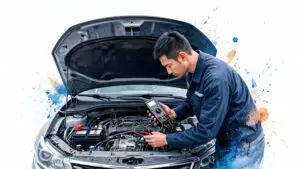

A lot of drivers in Haltom City don’t think about auto electrical repair until the morning the car won’t start, the dash lights go strange, or the headlights flicker on the way to work. That’s usually how it happens. One small symptom shows up first, then the whole vehicle reminds you just how much it depends on electricity.
Modern cars run on much more than fuel and moving parts. The electrical system acts like the vehicle’s nervous system, carrying signals, feeding power, and coordinating everything from starting the engine to charging your phone. Older vehicles were simpler, but that changed as cars added more electronics over time. The shift started in the late 19th century, and one major turning point came in 1967 when Bosch introduced electronic fuel injection, which improved fuel economy by up to 30% and pushed vehicles deeper into sensor-based control. By 1996, OBD-II made fault tracing much faster, cutting diagnostic time by up to 50%, and today electrical faults account for roughly 40% of modern vehicle issues according to automotive electrical system history.
When Your Car’s Lights Flicker What It Means for Haltom City Drivers
It’s 7:15 in the morning. You’re already behind schedule. You turn the key or push the start button, and the engine drags like it’s half awake. The radio resets. The headlights dip. Maybe it starts. Maybe it just clicks.
That kind of problem is common because electrical issues rarely announce themselves in a clean, obvious way. A weak battery can look like a bad starter. A charging problem can feel like a dead battery. A loose ground can make the whole car act possessed for a few days before it finally quits.

In Haltom City, a lot of driving is short-trip driving. That matters. Repeated starts, stop-and-go traffic, idling, heavy A/C use, and accessory load all put pressure on the charging system. If the battery is already tired or the alternator output is weak, those local driving patterns can bring the problem to the surface fast.
The nervous system of the car
When drivers say, “My car has a weird electrical issue,” they’re usually describing one of three things. The car can’t get power where it needs to go, it can’t hold enough power, or one module isn’t communicating correctly with the others.
Consider it this way:
- Battery trouble means the car doesn’t have enough stored energy to wake up.
- Charging trouble means it wakes up, but can’t keep itself alive.
- Wiring or module trouble means the signal gets interrupted, delayed, or scrambled.
A flickering light isn’t just annoying. It’s often the first visible sign that voltage is unstable somewhere in the system.
Some drivers search for one simple answer, but auto electrical repair usually doesn’t work that way. The same symptom can come from several causes, which is why guessing gets expensive. If you’re already seeing dim lights, a battery warning light, or odd accessory behavior, it helps to review these alternator warning signs before the vehicle leaves you stranded.
Understanding Your Car’s Electrical System Components
A good way to understand auto electrical repair is to stop thinking of the car as a pile of wires and start thinking of it as a body with organs, muscles, and nerves. Each piece has a job. When one piece weakens, the others start compensating.
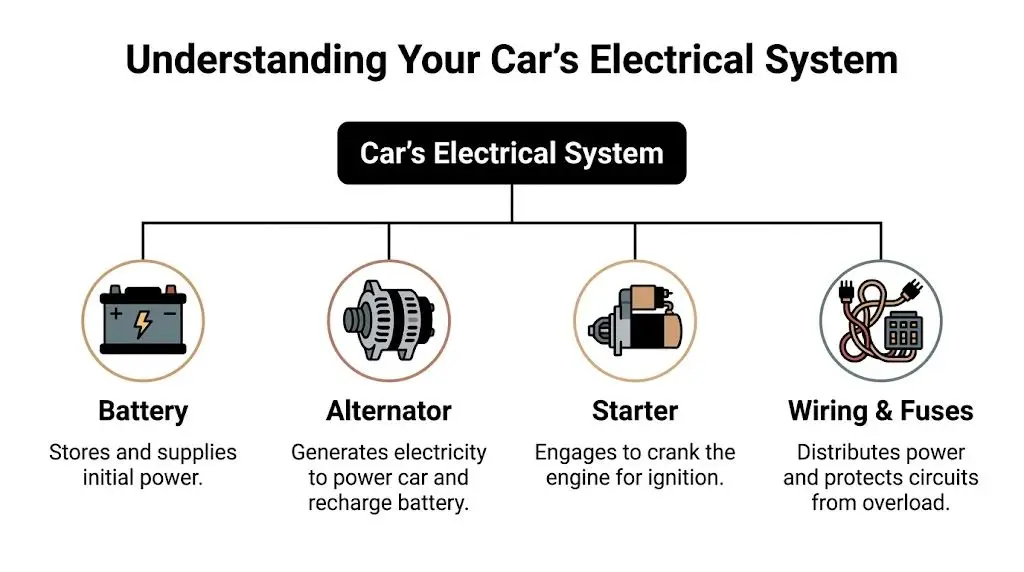
Battery, alternator, starter, and wiring
The battery is the stored energy source. It supplies the power needed to start the engine and support electronics when the engine is off. If the battery is weak, the starter may turn slowly, modules may reset, and lights may dim during cranking.
The alternator is the generator. Once the engine is running, it powers the vehicle’s electrical demands and recharges the battery. If it undercharges, the car slowly burns through the battery reserve until the vehicle stalls or won’t restart.
The starter is the muscle. It takes battery power and uses it to crank the engine. When a starter fails, you may hear a click, a grind, or nothing at all.
The wiring, fuses, grounds, and control modules are the brain and nervous system. They route power, protect circuits, and allow systems to talk to each other. That’s why one loose connection can create multiple strange symptoms that don’t seem related.
Practical rule: If the engine won’t crank, don’t assume the starter is bad. The battery, cable ends, grounds, and charging system all need to be checked first.
Why modern cars are harder to diagnose
On older vehicles, an electrical fault often stayed local. A bad wire affected one component. On newer vehicles, systems overlap. The push-button start, anti-theft system, charging system, infotainment, and driver-assistance features may all depend on clean voltage and good communication.
That’s also why convenience features can create confusion. If you’ve ever wondered why a car sometimes opens its doors, starts, or recognizes a fob inconsistently, this plain-language guide to understanding smart key systems is useful because it shows how everyday functions now depend on coordinated electronics, not just one mechanical switch.
What drivers should remember
A healthy electrical system is a chain. The battery stores power, the alternator replenishes it, the starter uses it, and the wiring distributes it safely. One weak link can make the whole vehicle feel unreliable.
If you want a broader look at the parts and services involved, this overview of a vehicle electrical system helps connect those components to common shop repairs.
Common Symptoms of Auto Electrical Problems
Electrical problems usually give warnings before the car quits completely. The trick is knowing which warnings matter now and which ones can wait a day or two. Most drivers don’t need to diagnose the exact fault themselves, but they should know when a symptom points to a charging problem, a starting problem, or wiring trouble.
What the symptoms usually mean
A slow crank often points to a weak battery, poor cable connection, or charging issue. If the engine drags more in the morning than it does later in the day, stored battery power is often part of the story.
Headlights that dim when the A/C, blower motor, or power windows are on can mean the charging system is struggling under load. If lights brighten when engine speed comes up, that’s a clue worth mentioning to your technician.
A burning plastic or sulfur smell needs attention right away. That can mean overheating wires, a failing component, or a battery problem. Don’t ignore smells in an electrical system. Heat is damage.
Quick triage guide
| Symptom | Potential Cause(s) | Typical Cost Tier |
|---|---|---|
| Slow engine crank | Weak battery, poor terminal connection, charging problem | Low to medium |
| Clicking but no start | Battery issue, starter problem, cable or ground fault | Medium |
| Headlights flicker or dim | Alternator output issue, loose connection, poor ground | Medium to high |
| Battery warning light | Charging system fault, belt issue, wiring problem | Medium to high |
| Burning electrical smell | Overheated wiring, short, failing component | High |
| Accessories cut in and out | Loose connection, fuse issue, module or wiring fault | Medium to high |
| Repeated dead battery | Battery failure, parasitic draw, alternator undercharging | Medium to high |
| Random warning lights | Low system voltage, communication issue, module fault | Medium to high |
If several unrelated systems act up at once, voltage quality is often the first thing to check.
When not to keep driving
Stop and get the car checked if:
- You smell burning insulation
- The battery light stays on
- The car stalls after a jump-start
- Lights go very dim at idle
- The vehicle starts differently from one attempt to the next
Intermittent symptoms are still real symptoms. In electrical work, “it only does it sometimes” usually means the fault is getting ready to become constant.
How Certified Technicians Diagnose Electrical Faults
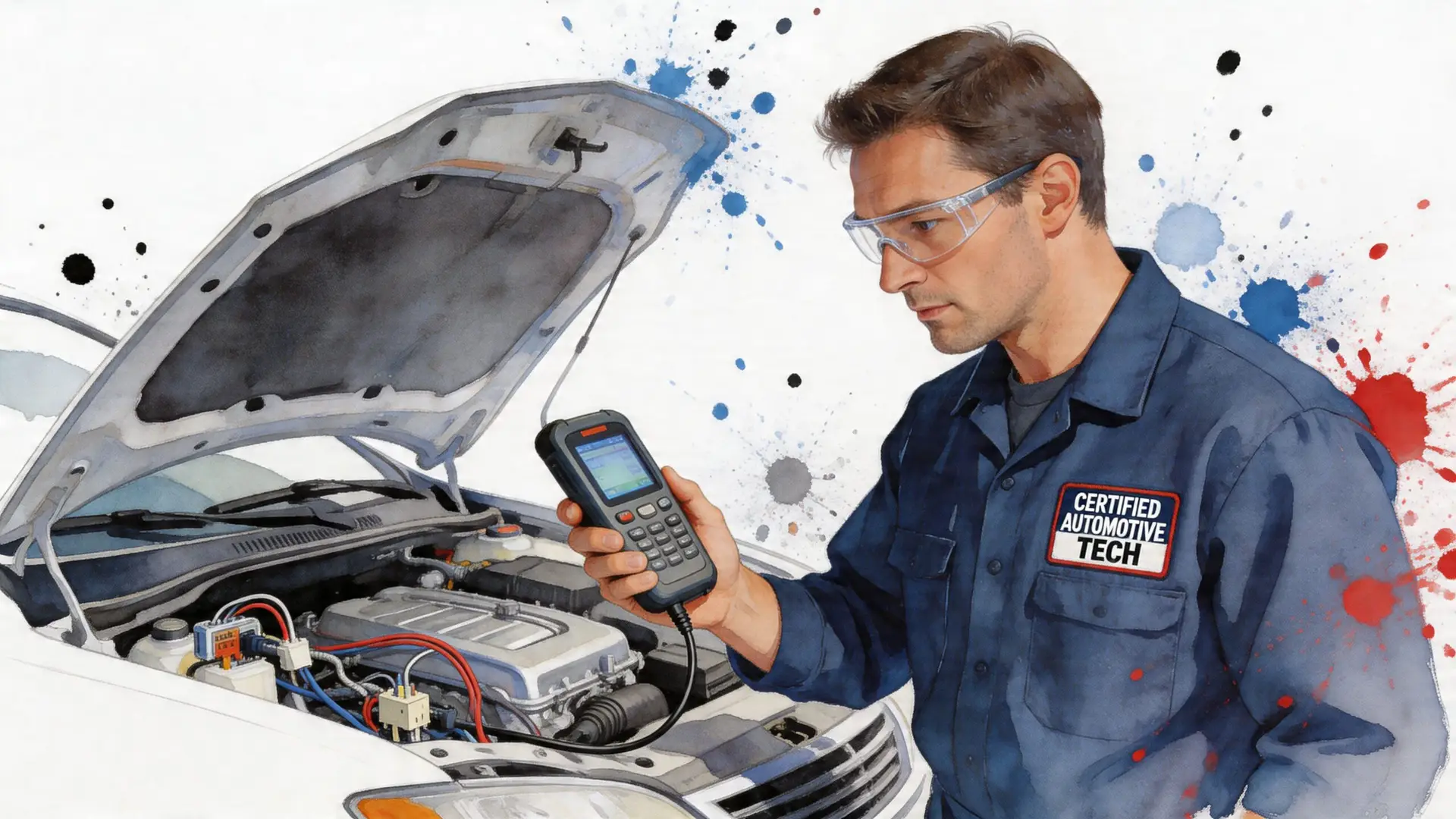
Good auto electrical repair starts with testing, not guessing. Swapping a battery because the car won’t start may solve the problem, or it may leave the actual fault untouched. The right process saves time, money, and a lot of repeat visits.
The first checks in the bay
A certified technician usually starts with the basics:
- Confirm the complaint. Does the car fail to start every time, only when hot, or only after sitting overnight?
- Inspect battery terminals and cables. Corrosion, looseness, and damaged insulation matter.
- Check the belt and charging path. A belt issue can mimic an alternator problem.
- Test battery state and load performance. Voltage alone doesn’t tell the full story.
That last point is important. A battery can show decent voltage sitting still and still collapse under load. According to this practical breakdown of DVOM-based electrical testing, a battery that can’t hold 9.6V under a 100A load indicates sulfation, which causes 30% to 50% of no-start conditions. The same source explains that voltage drop testing with a DVOM can uncover hidden resistance from corrosion, and using advanced DVOM methods can reduce misdiagnosis by up to 70% compared with simple parts swapping.
Why voltage drop matters
A scan tool reads fault codes. That’s useful, but it doesn’t always show why the fault happened. A DVOM helps the technician measure what the electricity is doing in the circuit.
If corrosion builds up inside a cable end or ground point, the circuit may lose voltage before power reaches the component. That’s called voltage drop. The part may be good. The path feeding it is not.
A code points you to the neighborhood. Meter testing finds the house.
Here’s a helpful walk-through on what modern testing looks like in practice:
The role of scan tools and advanced diagnostics
Once power and ground basics are checked, the technician scans for Diagnostic Trouble Codes and live data. Codes can reveal low-voltage events, charging faults, module communication issues, and sensor problems.
The best shops don’t stop at code reading. They compare the code to real measurements, inspect wiring diagrams, and test the circuit under load. That’s the difference between diagnosis and educated guessing. If you want to see how that process fits into broader modern troubleshooting, this page on auto diagnostic services gives a useful shop-side view.
Typical Auto Electrical Repair Services and Costs
Most electrical repairs fall into a few categories. Battery service, alternator replacement, starter replacement, and wiring repair make up a large share of what drivers approve at the counter. The challenge is that two jobs with the same label can vary a lot depending on parts access, vehicle design, and whether programming is involved afterward.
What the common jobs involve
A battery replacement can be straightforward on one car and more involved on another. Some vehicles need battery registration or system reset steps after installation. Cable cleaning and terminal repair may be part of the job if corrosion has spread.
An alternator replacement often includes charging-system testing before and after the repair. That matters because the alternator may not be the only failure. According to this technical review of alternator testing and charging faults, alternator failure accounts for up to 25% of electrical repair visits. A healthy alternator should produce 13.8V to 14.4V, and a diode ripple reading over 0.5V AC points to a failing rectifier that can damage sensitive electronics. The same source notes worn brushes often reach the end of their life at around 100,000 miles.
A starter replacement usually requires checking the power supply side first. Replacing a starter without verifying cable condition, battery strength, and control signal can waste money.
A wiring repair is the hardest to price from a symptom alone. A blown fuse caused by a pinched wire is one thing. A buried harness issue behind the dash is another.
Cost tiers drivers usually see
Instead of fake price promises, it’s more honest to think in tiers:
Low tier
Typical examples: terminal cleaning, fuse replacement, simple battery service
Why it stays lower: minimal teardown, fewer parts, fast verificationMedium tier
Typical examples: battery replacement, starter replacement on accessible layouts, alternator replacement on common engines
What affects the bill: part quality, labor access, whether further testing finds related damageHigh tier
Typical examples: harness repair, intermittent drain diagnosis, module-related faults, repairs that require programming
Why it climbs: diagnostic time, disassembly, and the need to verify the fault is gone under real operating conditions
What works and what doesn’t
What works is confirming the root cause before installing parts. What doesn’t is replacing the battery three times because nobody checked charging voltage, cable resistance, or parasitic draw.
Cheap electrical parts can also create repeat failures. In this category, part quality matters because voltage stability matters.
Why Choose Express Lube & Car Care for Your Repair
Drivers in Haltom City, Keller, Watauga, and North Richland Hills don’t just need a shop that can replace a battery. They need a shop that can tell the difference between a weak battery, a charging failure, a network issue, and an intermittent module fault before the wrong part gets installed.

Modern electrical faults need more than basic tools
A simple no-start can still be simple. But many modern complaints aren’t. A camera warning, battery drain, random warning lights, or a start issue that only happens sometimes can involve communication faults between modules.
That’s a real challenge in today’s vehicles. This overview of intermittent electrical diagnostics and ADAS-related faults notes that up to 30% of diagnostic visits are for sporadic issues, about 40% of modern electrical repairs require ECU reprogramming, and ADAS-related electrical claims have risen 25% in recent years. In plain language, more vehicles now need a shop that can handle software, network communication, and hard-to-repeat failures.
What local drivers should look for
When choosing a shop for auto electrical repair, these points matter:
- Certified technicians who understand testing sequence, not just replacement sequence
- Diagnostic equipment that goes beyond a code reader
- Clear communication about what’s confirmed, what’s suspected, and what needs more testing
- Quality parts that match the electrical demands of the vehicle
- Patience with intermittent faults, because some problems only reveal themselves after careful pattern checking
The best electrical repair shops don’t rush to a part. They build a case.
Why that matters in Haltom City
Local drivers depend on their vehicles for work, school runs, errands, and commuting across nearby cities. Fleet vehicles need uptime. Families need reliability. Busy professionals don’t have time for repeat visits caused by a guess.
That’s where a well-equipped local shop stands out. Express Lube & Car Care serves this area with certified technicians, advanced diagnostic equipment, premium parts, and a straightforward process that respects the customer’s time. For modern electrical problems, especially intermittent ones, that combination matters more than a quick guess and a receipt.
Proactive Maintenance and Electrical Safety Tips
The cheapest electrical repair is the one you never need. A few habits can prevent a lot of the no-start calls and charging complaints that show up after a busy week of driving around Haltom City.
Simple habits that help
- Check battery terminals regularly. If you see crusty buildup, address it early before resistance increases.
- Make sure the battery is secure. A loose battery gets shaken around and can damage connections internally and externally.
- Pay attention to warning lights immediately. A battery light is not a decoration.
- Be careful with aftermarket electronics. Poorly installed accessories can create drains, blown fuses, and signal problems.
- Don’t ignore dimming lights or slow cranking. Those are early warnings, not quirks.
If you want a simple non-technical refresher on testing your car’s battery, that guide is useful for understanding what to watch before a seasonal failure catches you off guard.
Safety matters with modern systems
Jump-starting a newer vehicle the wrong way can create bigger problems than the original dead battery. So can probing wires blindly, installing oversized fuses, or driving with a burning electrical smell.
Corrosion at the terminals looks minor, but it can create major voltage loss where the system needs clean power most.
For drivers who want to prevent one of the most common causes of starting and charging complaints, this guide to battery terminal corrosion prevention is worth keeping handy.
Your Auto Electrical Repair Questions Answered
Is it safe to drive with an electrical problem
Sometimes, briefly. Sometimes, no. If the car has a battery warning light, burning smell, stalling, or major light dimming, don’t keep driving unless you have no safer option. Electrical faults can spread from one component to another.
Why do electrical repairs sometimes cost more than expected
Diagnosis takes time, especially when the fault is intermittent. Parts and labor costs have also risen. The auto repair industry employs over 780,000 technicians in the U.S., Texas has one of the highest concentrations among the nation’s 280,000+ repair shops, and motor vehicle maintenance inflation reached a 449.675 CPI index in March 2026 according to this review of auto repair industry conditions.
How long does auto electrical repair take
Simple battery or alternator work may be same day. Wiring faults, drains, and module-related issues can take longer because the technician has to verify the failure and confirm the repair under real conditions.
Why does my battery keep dying after I replaced it
Because the battery may not be the root cause. The vehicle may have an alternator problem, a cable issue, a parasitic draw, or a control module that isn’t going to sleep properly.
If your vehicle is cranking slowly, killing batteries, flickering lights, or showing strange electrical behavior around Haltom City, get it checked before a small fault turns into a tow bill. Express Lube and Car Care provides dependable diagnostics and repair for local drivers who want clear answers, quality work, and less downtime.