
In Tarrant County, most drivers should expect the emissions-only test to cost up to $18.50. If your vehicle falls under the combined inspection category in the DFW area, the maximum combined fee is $25.50.
If you're in Haltom City staring at a registration notice and wondering how much is an emissions test, the good news is that the process is usually simpler than people expect. The bigger issue is rarely the test itself. It's whether your vehicle is ready to pass the first time.
Drivers around Haltom City often get tripped up by old assumptions about Texas inspections. The rules changed, the fee structure changed, and a lot of people still aren't sure what applies in Tarrant County. If your vehicle is gasoline-powered and falls within the required age range in one of Texas's emissions counties, this is something you'll need to handle before registration moves smoothly.
Your Guide to Emissions Testing in Haltom City
You get the registration notice, glance at the date, and realize your car still needs an emissions test before renewal can go through. That is the moment most Haltom City drivers start asking the same practical questions. Do I need the test, what will I pay in Tarrant County, and can I take care of it quickly?
Here is the local answer. If your vehicle falls under the emissions requirement in Tarrant County, you need to handle that test as part of the registration process. The fee matters, but the bigger issue is showing up with a vehicle that is ready to pass. I see more delays from check engine lights and incomplete monitors than from confusion at the counter.
Haltom City sits inside the DFW emissions program, so old assumptions about Texas inspections often cause trouble here. Some drivers still expect the rules to work the same way they did years ago. They do not. What applies in Tarrant County depends on your vehicle type, model year, and whether you need emissions testing, a safety inspection, or both. If you want a clearer breakdown of the inspection side, our guide to a vehicle safety inspection in Texas helps sort that out.
What drivers in Haltom City should know first
- Plan around the pass, not just the fee: The test itself is usually the easy part. Repairs, retesting, and a tight registration deadline are what turn a simple visit into a hassle.
- Do not wait on a warning light: If the check engine light is on, there is a good chance the car will not pass.
- Local convenience matters: Using a nearby shop in Haltom City saves time, especially if you need to come back after a repair or drive cycle.
Frustration with emissions testing rarely comes from the fee. It comes from showing up with a pre-existing vehicle problem.
If you want to keep registration simple, get the car checked before the deadline is breathing down your neck. At Express Lube in Haltom City, we help Tarrant County drivers get in, get tested, and get a clear answer on what to do next.
What an Emissions Test Really Checks on Your Vehicle
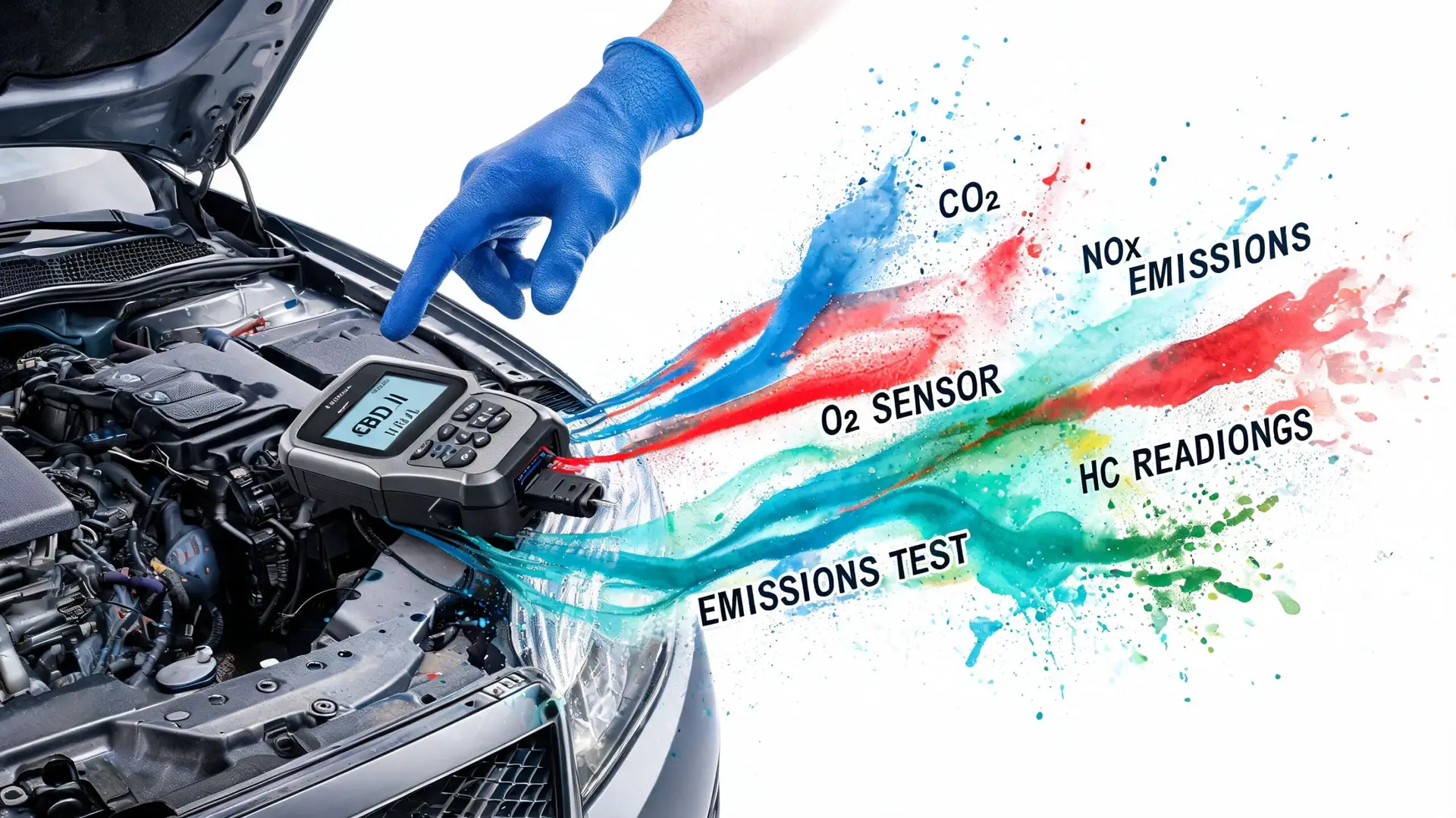
In Haltom City, an emissions test on a modern vehicle is mostly a data check through the car's onboard diagnostics system. The machine reads what the vehicle already knows about its own emissions equipment, whether a fault has been detected, and whether the car has finished the self-tests required for Tarrant County emissions compliance.
For a lot of drivers, that clears up the biggest misconception. The car can drive normally and still fail if the onboard system shows an emissions problem. I see that happen with evap leaks, oxygen sensor faults, and monitors that never reset after a recent battery disconnect.
A technician is typically checking four things:
- Whether the check engine light is commanded on
- Whether emissions-related trouble codes are stored
- Whether the readiness monitors have completed
- Whether the emissions control systems are reporting properly
That last point matters more than drivers expect. The test is not grading how smooth the engine feels on the road. It is checking whether the systems tied to emissions are working and reporting correctly.
In Tarrant County, that usually means an OBD-based test for qualifying vehicles. Older assumptions about a tailpipe probe still hang around, but for many cars coming through shops in Haltom City, the inspection starts with the diagnostic port under the dash. If you also want the inspection side explained clearly, this guide on what a vehicle safety inspection involves helps separate safety items from emissions items.
Quick fixes right before the test usually waste time. Clearing codes without repairing the cause, disconnecting the battery, or trying to drive in cold with monitors still incomplete often sends drivers right back for a retest.
Practical rule: If the check engine light is on, plan for diagnosis first.
Electric vehicles are a different case, which is one reason more Texas drivers are asking about installing electric car chargers at home instead of dealing with gas vehicle maintenance and emissions-related repairs.
A short visual overview can help if you want to see the process in action.
The plain-English version is simple. The test checks what your vehicle's computer says about the emissions system. For Haltom City drivers, that is what decides whether the car is ready to pass or whether it needs repair work first.
Breaking Down the Cost of an Emissions Test in Texas
If you live in Haltom City and your registration is coming up, the number you usually care about is the shop charge for the emissions test itself. In Tarrant County, drivers are typically looking at the local emissions-only fee that applies in the DFW area, not a one-size-fits-all Texas price.
That county-by-county difference is what trips people up. Texas does not charge the same emissions amount everywhere, so a friend in another part of the state may quote a different price and still be right for their county.
For Tarrant County drivers, the practical takeaway is simple. Expect the local DFW emissions test rate, and remember that registration-related costs are a separate part of the process.
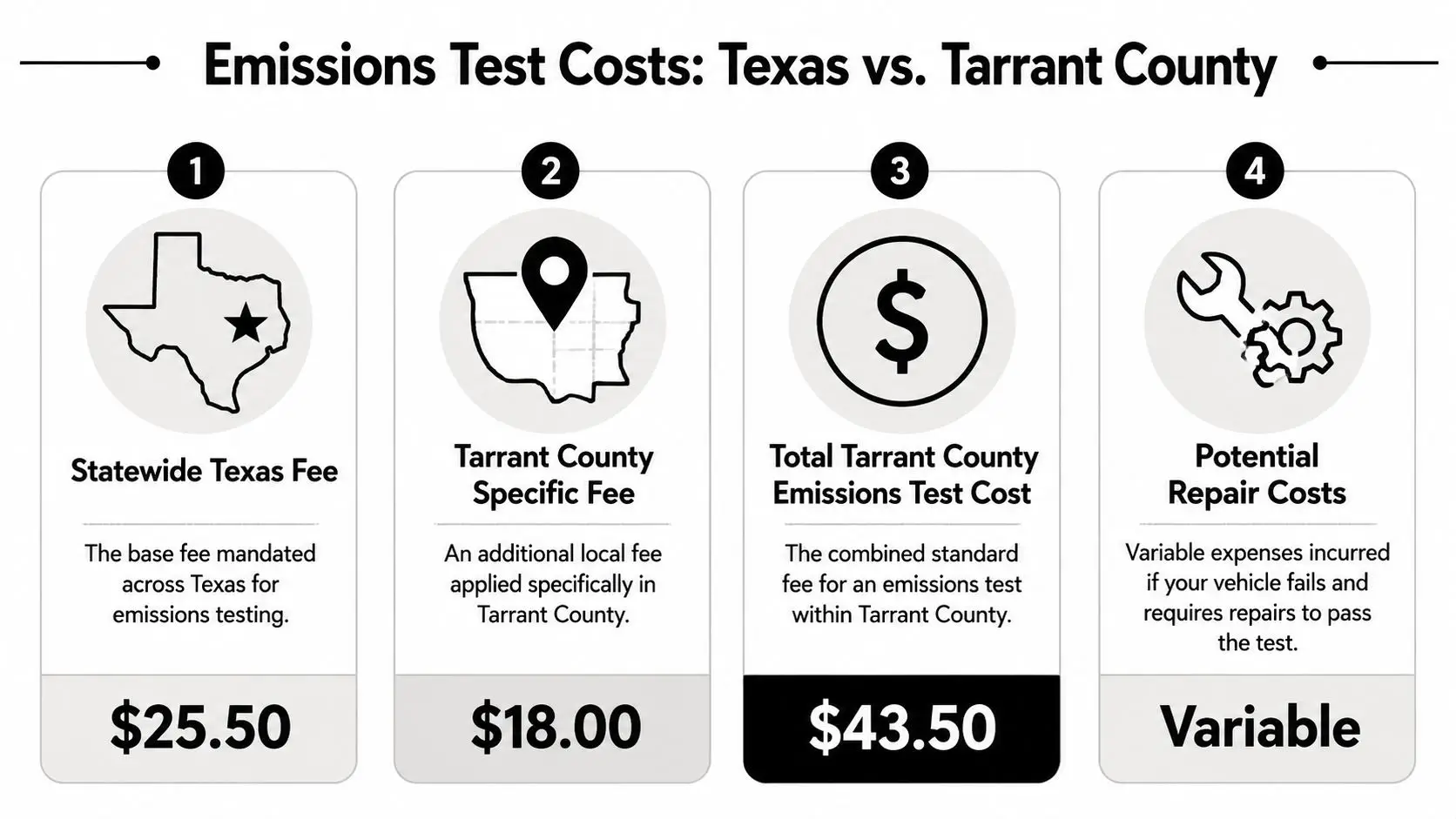
What changed with the law
Texas changed how inspection-related fees are structured, which is why many drivers now see one amount at the shop and another amount tied to registration. At the counter, the part most Haltom City customers notice is still the emissions test charge. The confusion usually starts when people assume that shop fee covers every state fee connected to renewing registration.
That is why it helps to separate two questions. What do I pay today for the test? What do I pay overall to stay legal on registration? Those are related, but they are not the same number.
If you want a closer local explanation, this guide on Texas vehicle inspection cost details breaks down how those charges show up for drivers around Haltom City.
Maximum fees by region
The state sets different maximum charges depending on where the vehicle is registered. DFW-area counties such as Tarrant are on the higher end for emissions-only testing than some other Texas counties. Commercial vehicles are also priced differently, so owners of work trucks and fleet vehicles should not assume the passenger-car rate applies.
The practical point for local drivers is straightforward. If you bring a qualifying gasoline vehicle to an emissions station in Haltom City, the test fee itself is usually predictable. The bigger cost risk comes later if the vehicle does not pass and needs repair work before you can finish registration.
A practical note for changing vehicle choices
Some Tarrant County households are weighing the long-term cost of keeping an older gas vehicle against switching to an EV. If that is part of your decision, the planning side of installing electric car chargers is worth comparing with ongoing emissions-related maintenance and testing.
For most drivers here, the emissions test is the smaller line item. The expensive part is usually fixing the problem that caused the failure.
Factors That Can Change Your Final Price
The test fee is one number. Your final out-of-pocket cost can be something else entirely.
That happens when a vehicle fails and needs repairs before it can pass. In real life, the biggest warning sign is usually the check engine light. If that light is on, you're not walking into a routine errand. You're walking into diagnosis, possible parts replacement, and another trip.
Three common local scenarios
A Haltom City commuter brings in a car with no warning lights and no recent battery disconnect. That driver usually has the smoothest experience. The vehicle is ready, the system reports cleanly, and the emissions test stays just a test.
Another driver waits until the registration deadline week, then notices the light has been on "for a while." That often turns into the more expensive version of emissions compliance because now there may be sensor issues, evap system faults, or another repair standing between the vehicle and a passing result.
A third driver recently had work done and thinks clearing codes solved the issue. It usually doesn't. The underlying fault may still be there, or the readiness monitors may not be set.
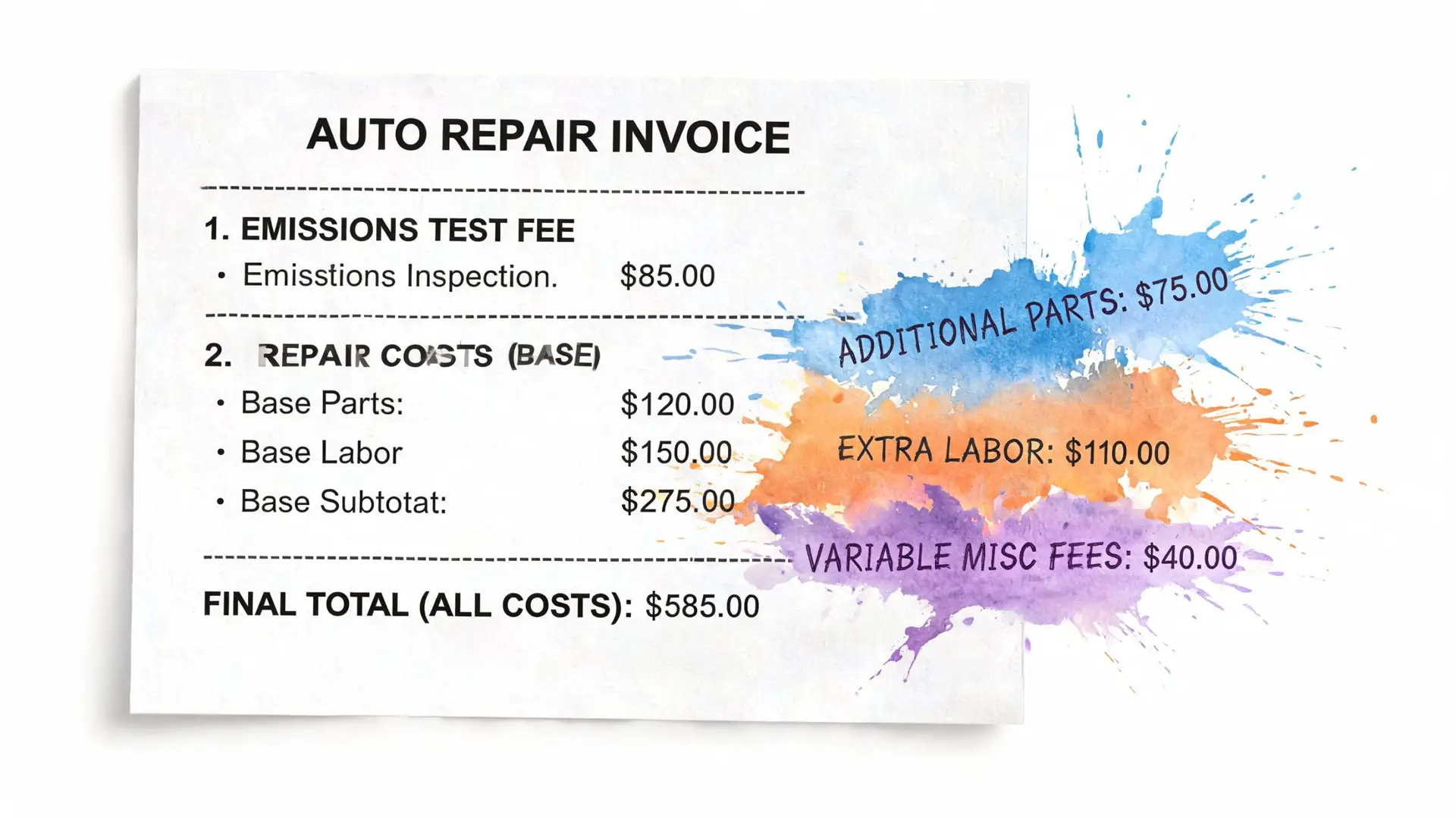
What saves money and what doesn't
- Showing up with a check engine light on: This usually costs more in the end.
- Handling diagnostics early: This is the smart path if the vehicle has any warning signs.
- Guessing with parts: Replacing parts without proper diagnosis can waste time and money.
- Using a proper warning-light service: A targeted check like engine light diagnosis and service helps find the actual cause before inspection day.
Passing the first time is usually the cheapest emissions strategy.
There isn't one repair bill that fits every failed test. Some fixes are minor. Some are not. The point for budgeting is simple. The emissions test fee is predictable. Repair costs aren't.
Navigating the Test Process in Tarrant County
On test day, most drivers don't need a complicated checklist. They need the right documents, a vehicle that's ready, and a clear idea of what happens if things don't go perfectly.
What to bring
Bring the basics first:
- Proof of insurance: Current liability coverage is the big one.
- Your vehicle: Obvious, but worth saying because borrowed cars and registration mix-ups happen.
- A little time: Don't schedule the visit like you've got thirty seconds to spare.
If your vehicle has been acting up, don't ignore that feeling. Strange idle, recent repair work, or a warning light are all signs to ask questions before assuming the test will be routine.
What happens at the shop
The shop verifies the vehicle information, performs the emissions inspection procedure required for your vehicle, and gives you the result. From the driver's side, it's usually a straightforward visit.
There are three broad outcomes:
-
Pass
The vehicle meets the emissions requirement and you're in good shape for the next registration step. -
Fail
The vehicle didn't meet the standard. At that point, the next move is repair, not panic. -
Waiver path
Some drivers may qualify for a waiver if they meet the state's requirements after attempted repairs.
According to the Texas failure and waiver rules summary, if a vehicle fails, the owner is entitled to one free re-test at the original inspection station within 15 days. The same source also states that if the vehicle still doesn't pass after specific repairs are made, the owner may be eligible for an Individual Vehicle Waiver.
If your car fails, go back to the original station for the re-test window. That can save you from paying again for the test itself.
What drivers often misunderstand
The free re-test doesn't mean free repairs. The shop can re-check the vehicle under the rule above, but the parts and labor required to fix the problem are separate.
The waiver process also isn't a shortcut you assume you'll get. It's a state process with requirements, so it's better to treat it as a fallback option than a plan.
Your Local Emissions Test Center in Haltom City
Registration month gets a lot easier when your emissions test is done close to home. For Haltom City drivers, the best option is usually a local shop that can inspect the vehicle, explain the result in plain English, and handle repair work if the test uncovers a problem.
That practical side matters. A quick in-and-out inspection is fine when everything passes. If the check engine light is on, the monitors are not ready, or the car fails, it helps to be at a shop that can move straight into diagnosis instead of sending you across town.
Why local drivers choose a nearby full-service shop
A good emissions visit starts with the basics. The team confirms your vehicle information, checks for issues that can waste your trip, and lets you know what to expect before the test begins.
If you want a feel for the kind of work handled locally beyond inspections, this overview of auto repair services in Haltom City gives a useful snapshot.
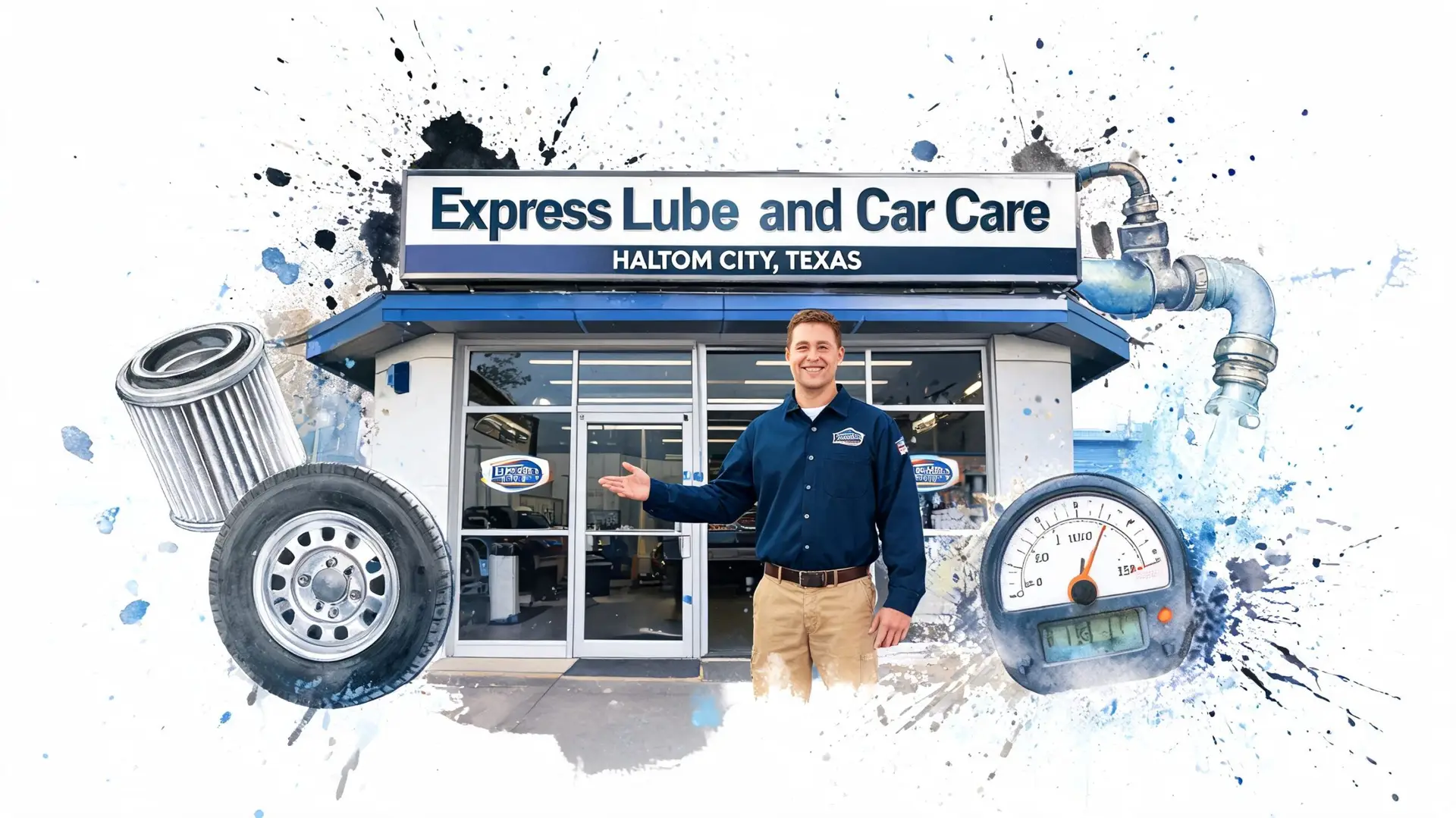
For drivers in Haltom City, Keller, Watauga, and North Richland Hills, Express Lube and Car Care is a solid fit because the shop combines inspection service with repair capability in one place. That saves time, especially for older vehicles or cars with recent battery disconnects, warning lights, or driveability issues that can affect the test.
You will find Express Lube and Car Care at 6211 Denton Hwy. If your registration deadline is close, or you already know the vehicle may need more than a basic inspection, call ahead and get it handled with a local team that works with Tarrant County drivers every day.
Need an emissions test in Haltom City or help figuring out why your vehicle won't pass? Express Lube and Car Care serves drivers from Haltom City, Keller, Watauga, and North Richland Hills with fast, reliable service and straightforward advice. If your registration is coming up, schedule your visit and get your vehicle checked by a local team that knows Tarrant County requirements.