
Regular car maintenance is the single most effective way to prevent vehicle breakdowns and protect your investment on the road. Preventive maintenance, the industry term for scheduled upkeep before problems develop, works by catching small issues before they become failures. Scheduled maintenance helps you budget for replacements, prevent emergencies, and stay safe. Yet 30% of drivers never check their car before trips, and 1 in 3 RAC-attended breakdowns involves dangerously low oil. Understanding why car maintenance prevents breakdowns starts with knowing which systems fail first and why routine checks stop that from happening.
What maintenance tasks directly prevent car breakdowns?
The most critical maintenance tasks target the systems most likely to fail without warning. Engine oil, tires, brakes, the cooling system, and the battery are the five areas where neglect turns into a roadside emergency fastest.
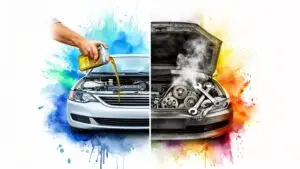
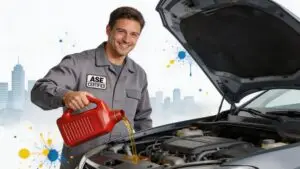
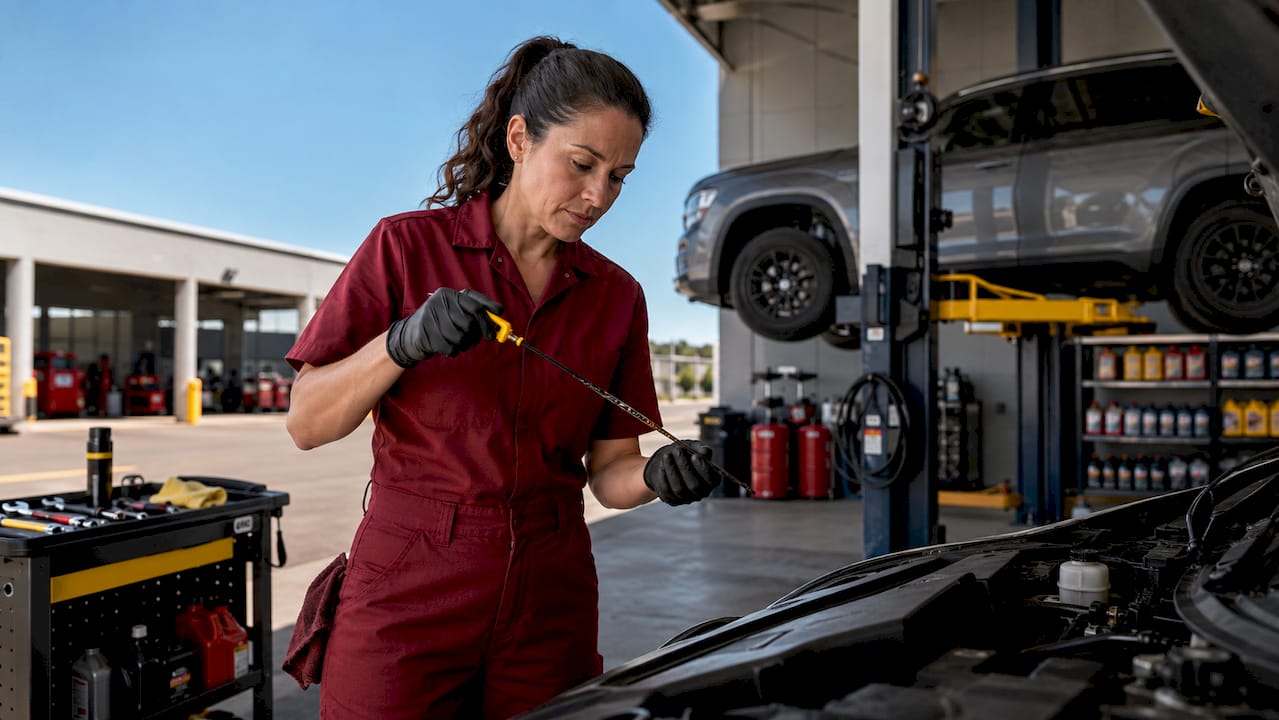
- Engine oil: Low or dirty oil forces your engine to work without the lubrication it depends on. Friction builds, metal wears, and eventually the engine seizes. Checking oil level and changing it on schedule is the single cheapest way to avoid the most expensive repair.
- Tire pressure and tread: Proper tire inflation improves fuel economy by 6% and prevents blowouts that cause sudden, dangerous stops. Tires at the wrong pressure wear unevenly, reducing tread life and grip.
- Brake components: Worn brake pads grind into rotors, reducing stopping power and creating a repair that costs far more than a simple pad replacement. Inspecting brakes every 12,000 miles catches wear before it becomes a safety issue.
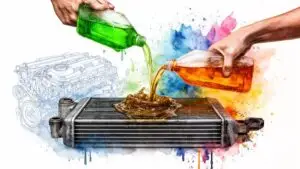
- Cooling system: Low coolant or a clogged radiator causes overheating, which can warp the cylinder head and destroy an engine in minutes. Flushing coolant on schedule keeps the system clean and the temperature stable.
- Battery and electrical system: A battery older than three years should be tested annually. A dead battery is one of the most common causes of a no-start situation, and it is entirely predictable.
- Timing belt and transmission service: The timing belt controls the engine’s internal timing. If it snaps without warning, the result is catastrophic engine damage. Transmission fluid breaks down over time, causing slipping and gear failure.
Routine fluid checks allow technicians to spot minor leaks before they cause critical failures, a point Consumer Reports expert John Ibbotson emphasizes as one of the core benefits of scheduled service. Early detection is the whole point.
Pro Tip: Check your oil, coolant, and tire pressure once a month. These three checks take less than five minutes and cover the most common causes of roadside breakdowns.
Electric vehicles are not exempt from this logic. EVs still require regular inspection of battery cooling systems, suspension, and tires to avoid overlooked failures that affect both safety and longevity. The absence of oil changes does not mean the absence of maintenance.
Preventive vs. reactive repairs: what does each actually cost?
Preventive maintenance is choosing the controlled, less expensive scheduled path over the costly, stressful emergency repair route. The cost difference is not marginal. It is often a factor of five to ten.
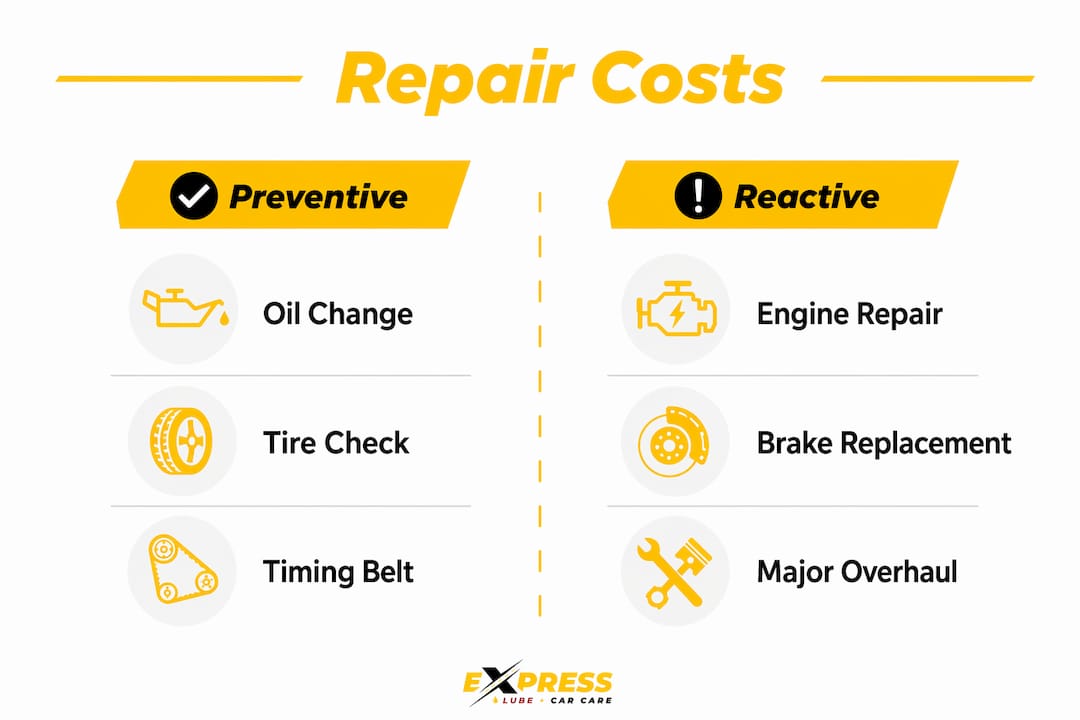
| Service | Preventive Cost | Reactive Cost |
|---|---|---|
| Timing belt replacement | $500–$1,500 | $5,000+ engine damage |
| Brake pad replacement | $150–$300 per axle | $600–$900 with rotor damage |
| Oil change | $50–$100 | Engine replacement: $4,000+ |
| Coolant flush | $100–$150 | Head gasket repair: $1,500–$3,000 |
Reactive repairs cost multiple times more than preventive maintenance, and well-planned service schedules substantially reduce overall automotive expenses. The timing belt example is the clearest illustration. Replacing a belt on schedule costs at most $1,500. Letting it snap costs more than $5,000 in engine damage, plus towing, rental car fees, and lost time.
Beyond money, there is the reliability factor. A car that breaks down on the highway creates stress, safety risk, and schedule disruption that no repair bill fully captures. Consistent service at the same shop builds a vehicle health record, which helps technicians predict part failures based on wear patterns rather than waiting for a warning light. That kind of institutional knowledge about your specific car is genuinely valuable.
“Regular maintenance not only extends vehicle life but maximizes safety and vehicle performance.” — Consumer Reports
Resale value is another factor most drivers overlook. A documented service history from a consistent shop tells a buyer that the car was cared for. That record translates directly into higher resale prices and faster sales.
How do maintenance habits affect safety and performance?
Routine upkeep does more than keep a car running. It keeps the car safe to drive and performing the way it was designed to. The connection between maintenance and safety is direct and measurable.
Tire care and handling
Tires are the only part of your car that touches the road. Underinflated tires reduce handling response, increase stopping distance, and raise the risk of a blowout at highway speed. Checking pressure monthly and rotating tires every 5,000–7,500 miles keeps wear even and grip reliable. A car inspection checklist that includes tire condition is one of the simplest tools for staying safe.
Brake maintenance and stopping power
Brakes are not a system you want to discover is failing at 60 mph. Worn pads increase stopping distance significantly. Brake fluid absorbs moisture over time, which lowers its boiling point and reduces braking effectiveness under hard use. Flushing brake fluid every two years and inspecting pads annually keeps your stopping power where it needs to be.
Engine and cooling system health
An engine that runs too hot does not just stop working. It can warp metal components, blow head gaskets, and cause damage that totals the vehicle. Clean oil and a properly maintained cooling system keep engine temperature stable and internal components protected. Clean air filters also matter. A clogged filter restricts airflow, forces the engine to work harder, and reduces fuel economy noticeably.
- Dirty air filters reduce engine efficiency and increase fuel consumption
- Low power steering fluid causes stiff steering and pump wear
- Neglected spark plugs cause misfires, rough idling, and poor acceleration
The benefits of regular car checkups extend to fuel economy as well. A well-maintained engine burns fuel more efficiently, which means fewer fill-ups and lower operating costs over time.
What steps can you take to build a maintenance routine?
Building a maintenance routine is straightforward when you use the right tools and set realistic habits. The goal is consistency, not perfection.
- Start with your owner’s manual. Every car comes with a manufacturer-recommended maintenance schedule by mileage. This schedule tells you exactly when to change oil, replace filters, flush fluids, and inspect belts. It is the most reliable guide you have.
- Do monthly self-checks. Check oil level, tire pressure, coolant level, and windshield washer fluid yourself. These checks take five minutes and catch the most common issues before they grow.
- Visit a professional on schedule. Self-checks are not a substitute for a trained technician. A professional inspection catches wear on components you cannot easily see, including brake pads, belts, and suspension parts.
- Use the same shop consistently. Consistent service history enables technicians to anticipate repairs before sudden failure, improving reliability and helping you budget accurately.
- Set calendar reminders. Tie oil change reminders to mileage milestones or set a recurring calendar alert every three months. The reminder removes the friction of remembering.
- Plan for seasonal service. Tires, battery, and cooling system all face different stress in summer heat versus winter cold. Seasonal checks, especially before a long trip, catch issues that mileage-based schedules might miss.
Pro Tip: Before any long road trip, run through a pre-trip service checklist covering fluids, tires, brakes, and lights. Catching a problem at home is always better than catching it 200 miles away.
The importance of car maintenance comes down to one practical truth. Small, predictable expenses prevent large, unpredictable ones. A $70 oil change is not a cost. It is protection against a $4,000 engine repair.
Key takeaways
Regular car maintenance prevents breakdowns by catching wear and fluid issues early, before small problems become expensive failures that leave you stranded.
| Point | Details |
|---|---|
| Oil changes protect the engine | Skipping oil changes is the fastest path to engine damage and the most avoidable breakdown cause. |
| Preventive costs far less | A timing belt replacement at $500–$1,500 prevents engine damage exceeding $5,000. |
| Tires affect safety directly | Proper inflation improves fuel economy by 6% and prevents dangerous blowouts at speed. |
| Consistent shop builds history | One shop tracking your car’s wear patterns predicts failures before warning lights appear. |
| Monthly self-checks matter | Checking oil, coolant, and tire pressure monthly covers the most common breakdown causes. |
What we see every day at express lube & car care
After years of working on vehicles in the DFW area, the pattern we see most often is this: the drivers who come in stressed and stranded are almost always the ones who skipped the simple stuff. Not because they did not care, but because they assumed the car would tell them when something was wrong.
The uncomfortable truth is that cars often do not warn you in time. A timing belt does not vibrate or squeal before it snaps. An oil level does not trigger a dashboard light until the damage is already starting. By the time a warning light appears, the easy fix is usually gone.
What surprises most of our customers is how much a routine visit reveals. A technician checking your oil will also notice a slow coolant leak, a cracked belt, or a tire wearing unevenly on one edge. None of those things would have shown up on a dashboard. All of them would have caused a breakdown within a few thousand miles.
The other misconception we hear constantly is that maintenance is expensive. Compared to what? Compared to a tow truck, a rental car, and a repair bill that could have been avoided entirely, a scheduled oil change and inspection is one of the best financial decisions a driver can make. We understand that budgets are real. That is exactly why we keep our pricing transparent and our service fast. The goal is to make it easy for you to stay ahead of problems, not to make maintenance feel like a burden.
— Express Lube & Car Care
Keep your car road-ready with express lube & car care
Express Lube & Car Care makes preventive maintenance straightforward for drivers in the DFW area. No appointment is needed, and ASE-certified technicians handle everything from oil changes and fluid checks to full engine diagnostics and brake inspections. RepairPal certification backs every service with transparent pricing you can trust.
Whether you are due for a routine oil change or you want a full vehicle inspection before a long drive, Express Lube & Car Care gets you in and out quickly without cutting corners. Visit Express Lube & Car Care in Haltom City or stop by without an appointment. Staying ahead of breakdowns starts with one visit.
FAQ
What is preventive maintenance for a car?
Preventive maintenance is scheduled upkeep performed before problems develop, including oil changes, fluid checks, tire rotations, and brake inspections. The goal is to catch wear early and avoid costly emergency repairs.
How often should i get my car serviced to avoid breakdowns?
Follow your owner’s manual maintenance schedule, which is typically based on mileage intervals such as every 5,000 or 10,000 miles. Monthly self-checks for oil, tire pressure, and coolant cover the most common breakdown causes between professional visits.
Why do cars fail without regular maintenance?
Cars fail without maintenance because fluids degrade, components wear, and small leaks or cracks go undetected until they cause a critical failure. Neglected oil levels alone account for 1 in 3 RAC-attended breakdowns.
Is preventive maintenance worth the cost?
Preventive maintenance costs a fraction of reactive repairs. A timing belt replacement costs $500–$1,500, while letting it fail can result in more than $5,000 in engine damage.
Can i do any car maintenance checks myself?
Yes. Checking oil level, tire pressure, coolant, and windshield washer fluid are all simple checks you can do at home in under five minutes. These self-checks complement, but do not replace, professional inspections for components like brakes and belts.