
Car care services near you fall into three distinct categories: preventive maintenance, repair, and specialty services, each designed to address a different stage of your vehicle’s needs. Knowing which type applies to your situation saves you time, money, and the frustration of calling the wrong shop. The main service categories include routine upkeep like oil changes, reactive fixes like brake repairs, and compliance-driven work like emissions inspections. This guide walks through every major type of car care service you can find locally, explains what each one covers, and helps you match your vehicle’s current condition to the right provider.
1. Types of car care services near me: the three core categories
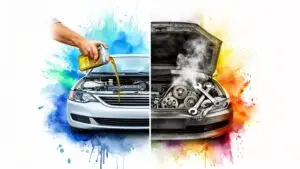
Every local automotive service you encounter fits into one of three buckets. Service categories break down as preventive maintenance (oil changes, fluid checks, filter swaps), repair services (brakes, engine work, electrical fixes), and specialty services (emissions testing, detailing, alignment). Understanding this structure before you search for a shop is the single most useful thing you can do. It stops you from booking a detailer when you need a mechanic, or paying for a full diagnostic when a routine oil change is all your car requires.
A practical shortcut: define your desired outcome first. Do you want mechanical reliability, legal compliance, or cosmetic restoration? Each outcome points to a different service category and a different type of provider. Getting this right on the first call saves you at least one wasted trip.
2. Preventive maintenance services and why they matter
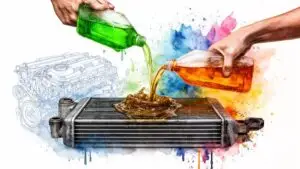
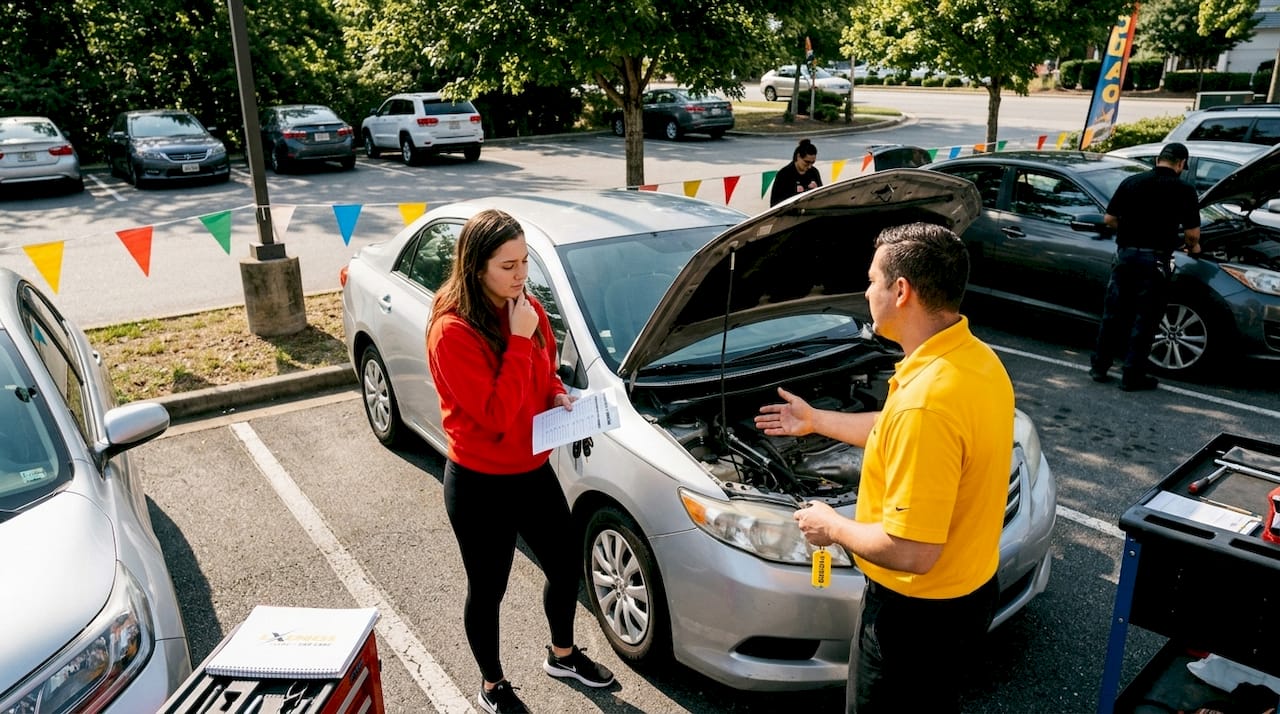
Preventive maintenance is the category that keeps problems from starting. Routine maintenance covers oil and filter changes, coolant flushes, transmission fluid checks, air filter replacements, and tire rotations. These services are faster and less expensive than repairs, and they directly reduce the risk of a breakdown on the road. Shops like MasterLube bundle quick oil changes with fluid top-offs and visual inspections, so a single visit covers multiple bases.
Many local providers also include a brief inspection with every maintenance visit. That means a technician checks your brakes, belts, and hoses while you are already in the shop, catching emerging issues before they become expensive repairs. Following a car maintenance schedule by mileage is the most reliable way to stay ahead of these issues.
Key preventive maintenance services to schedule regularly:
- Oil and filter change: Every 3,000 to 7,500 miles depending on your oil type and manufacturer recommendation
- Tire rotation: Every 5,000 to 7,500 miles to promote even tread wear
- Air filter replacement: Typically every 15,000 to 30,000 miles
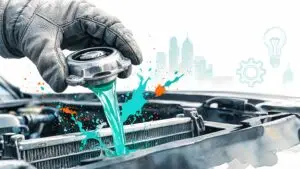
- Coolant flush: Every 30,000 miles or as specified by your vehicle manufacturer
- Transmission fluid check: Every 30,000 to 60,000 miles based on driving conditions
- Brake fluid inspection: Annually or whenever you notice soft pedal feel
Pro Tip: Ask your shop to perform a multi-point inspection with every oil change. Most reputable local providers include this at no extra charge, and it gives you a written record of your vehicle’s condition at each visit.
3. Which repair services do local auto shops commonly provide?
Repair services address problems that already exist. Unlike preventive maintenance, repairs are reactive: something has failed, is failing, or is performing below a safe threshold. Common repair services at local shops include brake pad and rotor replacement, battery testing and replacement, engine diagnostics, cooling system repairs, and transmission work. Electrical repairs such as alternator replacement, starter motor fixes, and wiring diagnostics also fall into this category.
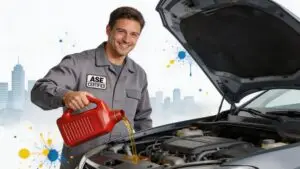
The quality of a repair depends heavily on the technician performing it. ASE-certified mechanics hold credentials in specific areas including brakes, electrical systems, engine performance, and air conditioning, and those certifications require documented hands-on experience. Choosing a shop staffed by ASE-certified technicians improves diagnostic accuracy and reduces the chance of a repeat visit for the same problem. You can learn more about selecting a certified mechanic in the DFW area before you book.
The most common repair services you will find at local shops:
- Brake system repair: Pad replacement, rotor resurfacing or replacement, caliper service, and brake wheel cylinder repair
- Battery replacement: Testing, terminal cleaning, and new battery installation
- Engine diagnostics: OBD-II scan, fault code interpretation, and component-level testing
- Cooling system repair: Thermostat replacement, radiator flush, hose replacement
- Electrical system repair: Alternator, starter, fuses, and wiring harness issues
- Transmission service: Fluid change, filter replacement, and leak diagnosis
- Suspension and steering: Shock absorbers, struts, tie rods, and power steering components
“Choosing shops with ASE-certified technicians improves repair accuracy and diagnostic quality, helping avoid repeated visits for the same issue.” — ASE Certification and why it matters
Understanding the difference between maintenance and repair helps you communicate clearly with your technician and avoid paying for services you do not need.
4. What specialty car care services can you find near you?
Specialty services cover everything that does not fit neatly into routine upkeep or mechanical repair. This category includes emissions and smog inspections, vehicle safety system checks, wheel alignment, tire balancing, auto detailing, mobile car wash options, and increasingly, electric vehicle service.
Emissions inspections vary by state and vehicle age. In California, the Bureau of Automotive Repair (BAR) defines three station types: test-only, test-and-repair, and STAR stations, each with different authorization levels for smog check services. Newer vehicles typically go through an OBD system scan, while older models may require a tailpipe emissions test. One detail many drivers miss: if your check engine light is on before the test, your vehicle will likely fail regardless of actual emissions levels. Clearing the code and driving a few cycles to reset readiness monitors is often a necessary step before a successful smog check.
Vehicle safety inspections issue electronic compliance certificates through a licensed BAR Safety Inspection System. These certificates are required for DMV registration, so keeping a copy, whether electronic or paper, is not optional. Losing it means returning to the inspection station for documentation.
| Service type | What it covers | Best for |
|---|---|---|
| Emissions/smog inspection | OBD scan, tailpipe test, visual check | Registration compliance |
| Vehicle safety inspection | Lights, brakes, steering, tires | DMV documentation |
| Wheel alignment | Angle adjustment for all four wheels | Uneven tire wear, pull |
| Auto detailing | Interior and exterior cosmetic restoration | Resale prep, appearance |
| Mobile car wash | On-site hand wash, wax, vacuum | Convenience, fleet care |
| EV/hybrid service | Battery system, regenerative brakes, software | Electric vehicle owners |
Pro Tip: Before booking a smog check, drive your vehicle at highway speed for at least 20 minutes. This allows the OBD readiness monitors to complete their cycles, which significantly improves your pass rate.
Specialty automotive services now increasingly include EV and hybrid system care, requiring specialized tools and training that traditional shops may not have. As EV adoption grows in the DFW area, confirming that your local shop has EV-certified technicians before booking is worth the extra call.
Mobile detailing and car wash services bring the shop to your driveway or workplace, covering interior vacuuming, hand waxing, and paint correction. Some providers also service fleets, RVs, and marine vehicles, making them a flexible option for drivers who cannot easily get to a brick-and-mortar location.
5. How to choose the best car care service near you
Matching the right service to your vehicle’s current condition is the most cost-effective decision you can make. The core rule: use preventive maintenance when your car shows no symptoms, seek repair services when something is wrong, and book specialty services for compliance deadlines or cosmetic goals.
Here is a practical checklist for evaluating local providers:
- Check for ASE certification: Look for the ASE logo on the shop’s website or ask directly. Certified technicians are trained in specific repair categories, not just general mechanics.
- Confirm RepairPal or similar certification: RepairPal-certified shops agree to fair pricing standards and quality benchmarks, which protects you from inflated estimates.
- Read recent reviews: Focus on reviews from the past six months. Look for comments about turnaround time, communication, and whether the repair held up.
- Ask about bundled inspections: Many shops include a multi-point inspection with oil changes or tire services. This adds value without adding cost.
- Compare mobile vs. brick-and-mortar: Mobile services work well for detailing and basic maintenance. Complex repairs and diagnostics require a fully equipped shop with a lift and diagnostic tools.
- Request a written estimate: Any reputable shop will provide a written estimate before starting work. This protects you from surprise charges.
- Verify turnaround time: If you need your vehicle back the same day, confirm that upfront. Express-style shops like Express Lube & Car Care are built for fast turnaround without appointments.
Car service prices vary by service type, location, and shop certification level. Preventive maintenance is consistently the lowest-cost category. Repairs scale with parts and labor complexity. Specialty services like alignment or detailing fall in the middle range. Getting two estimates for any repair over a few hundred dollars is a reasonable practice.
6. Comparison of common local car care service types
The table below gives you a quick reference for the three main service categories, their typical tasks, and when to use each one.
| Category | Typical tasks | Cost range | Frequency | Use when |
|---|---|---|---|---|
| Preventive maintenance | Oil change, tire rotation, fluid checks, filter replacement | Low | Every 3,000 to 30,000 miles | No symptoms present |
| Repair services | Brake repair, engine diagnostics, electrical fixes, cooling system | Medium to high | As needed | Problem or failure exists |
| Specialty services | Smog check, alignment, detailing, EV service, safety inspection | Low to medium | Annually or as required | Compliance, cosmetic, or performance goals |
Proactive scheduling and keeping a service record are two habits that pay off over time. A written log of every oil change, inspection, and repair makes it easier to spot patterns, stay on schedule, and demonstrate maintenance history if you sell the vehicle. Many shops now provide digital records, but keeping your own copy is always the safer approach.
Key takeaways
Knowing your service category before you call a shop is the single most effective way to get the right repair at the right price without wasted visits.
| Point | Details |
|---|---|
| Three core categories | Car care divides into preventive maintenance, repair, and specialty services, each with distinct purposes. |
| Preventive maintenance saves money | Routine oil changes, fluid checks, and tire rotations cost less and prevent expensive breakdowns. |
| ASE certification matters | Shops with ASE-certified technicians deliver more accurate diagnostics and fewer repeat repairs. |
| Specialty services require documentation | Emissions and safety inspection certificates must be retained for DMV registration compliance. |
| Match service to symptom | No symptoms means maintenance; active problems mean repair; compliance or cosmetic goals mean specialty. |
What we have learned from years of local car care
After working with thousands of DFW drivers at Express Lube & Car Care, the pattern we see most often is this: car owners wait too long because they are not sure which type of service they need. They assume a noise means a major repair, or they skip a smog check because they do not understand the process. Both mistakes cost more in the long run.
The most common error we see is treating all car care as interchangeable. A driver books a detailer when the car needs a brake inspection, or calls a specialty emissions station when the real issue is a misfiring engine that will cause an automatic OBD failure. Defining your goal first, mechanical reliability, legal compliance, or cosmetic restoration, points you to the right provider every time.
We also see drivers underestimate the value of a trusted local shop relationship. When a technician knows your vehicle’s history, they catch deviations faster and recommend services based on actual wear patterns rather than generic schedules. That relationship is worth more than any coupon.
One more thing: do not skip the written estimate. We provide one for every job, and we encourage you to ask for one anywhere you go. It is the clearest signal that a shop respects your time and your budget.
— Express Lube & Car Care
Get the right car care service in Haltom City today
Express Lube & Car Care serves DFW drivers with no-appointment-required visits, ASE-certified technicians, and transparent pricing across all three service categories. Whether you need a quick oil change, a full engine diagnostic and repair, or a multi-point inspection before a long trip, the team at Express Lube & Car Care is ready to help you get back on the road fast.
Visit Express Lube & Car Care in Haltom City for preventive maintenance, repairs, and specialty services backed by RepairPal certification. You can also schedule your appointment online and skip the wait. Your vehicle’s next service visit does not have to be complicated or stressful.
FAQ
What are the main types of car care services?
Car care services fall into three categories: preventive maintenance (oil changes, fluid checks, tire rotations), repair services (brakes, engine, electrical), and specialty services (emissions inspections, detailing, alignment). Each category addresses a different vehicle need and requires a different type of provider.
How do I know if I need maintenance or a repair?
If your vehicle shows no warning lights or symptoms, schedule preventive maintenance. If you notice a noise, warning light, or performance change, that signals a repair need. The difference between maintenance and repair comes down to whether you are preventing a problem or fixing one that already exists.
What is an ASE-certified technician?
An ASE-certified technician holds credentials from the National Institute for Automotive Service Excellence, with hands-on experience requirements in specific repair categories including brakes, electrical systems, and engine performance. Choosing an ASE-certified shop improves diagnostic accuracy and repair quality.
Do I need to keep my emissions inspection certificate?
Yes. Safety and emissions certificates are issued electronically through licensed inspection systems and are required for DMV registration. Keep a copy, digital or printed, because losing it requires a return visit to the inspection station.
What is the benefit of mobile car wash options?
Mobile car wash and detailing services come to your home or workplace, covering interior vacuuming, hand waxing, and exterior cleaning without requiring you to drive anywhere. They work well for routine cosmetic care but cannot replace a fully equipped shop for mechanical repairs or diagnostic work.