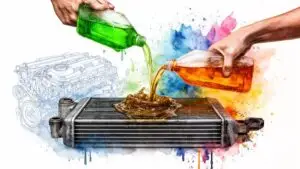

An oil filter is defined as the primary contaminant barrier in your engine’s lubrication system, trapping metal shavings, dirt, and soot before they can reach critical components like bearings, camshafts, and pistons. Understanding what does an oil filter do is the first step toward protecting your vehicle and avoiding expensive repairs. Oil circulates dozens of times per minute through the filter while your engine runs. That constant cycling means a failing or clogged filter puts your engine at risk every single minute you drive. Express Lube & Car Care sees the consequences of neglected filters regularly, and the damage is always more costly than a simple filter swap.
How does an oil filter work inside an engine?
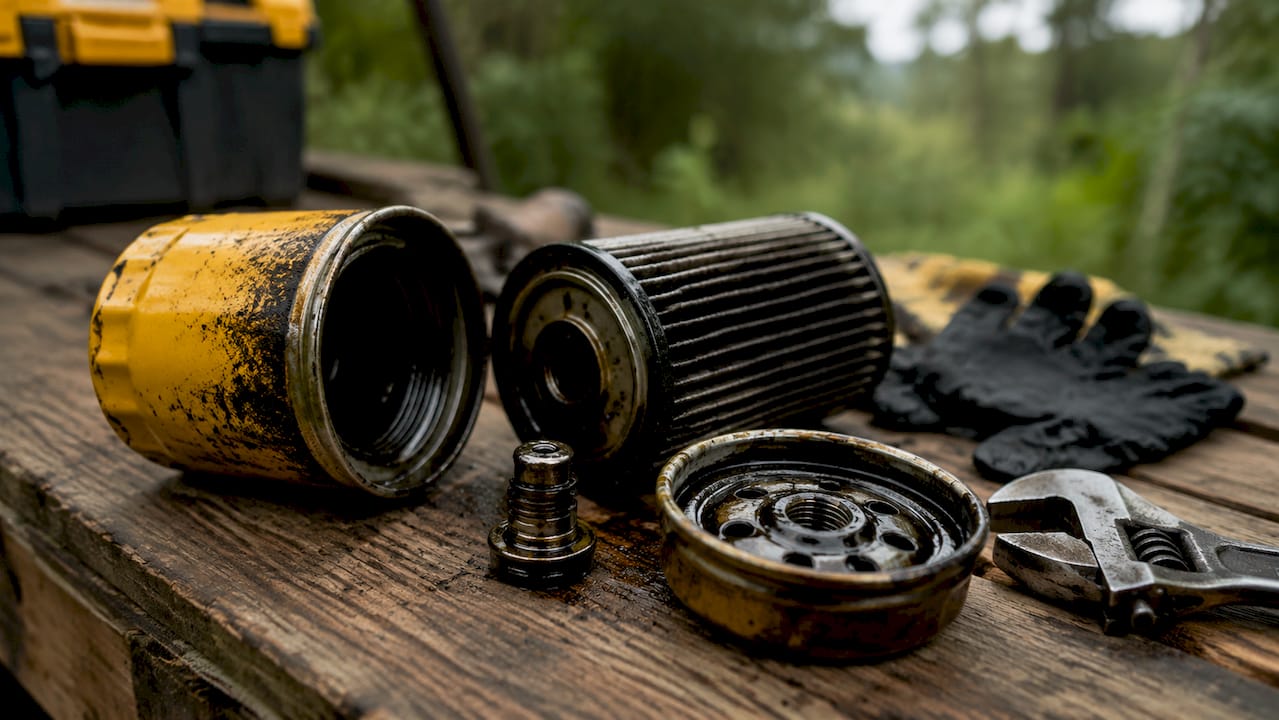
The oil filter function relies on a tightly engineered flow path. Oil enters the filter through small holes around the outer edge, passes through a pleated media element made of paper or synthetic fibers, and exits through a central hole back into the engine. That media element is the heart of the filter. Its internal structure is a complex pleated fiber maze designed to maximize contaminant capture while keeping oil flowing freely.
Two valves inside the filter handle edge cases that the media alone cannot manage.
- Anti-drainback valve: A rubber membrane that seals the filter when the engine shuts off. It keeps the filter filled with oil after shutdown, so oil reaches your engine immediately on the next start instead of leaving components dry for several seconds.
- Bypass valve: A pressure relief valve that opens when the filter media becomes clogged or during cold starts when thick oil resists flow. Normal engine oil pressure ranges from 200 to 500 kPa, and the bypass valve opens when differential pressure exceeds 70–100 kPa to prevent oil starvation.
The bypass valve is a safety net, not a feature you want activating regularly. When it opens, unfiltered oil circulates through your engine. That is acceptable for a few seconds during a cold start. It is not acceptable as a regular operating condition.
Pro Tip: If you live in a cold climate, use a full synthetic oil rated for low temperatures. Thinner oil at startup reduces the time your bypass valve stays open, giving your filter media a chance to do its job sooner.
Why is the oil filter important for engine performance and longevity?
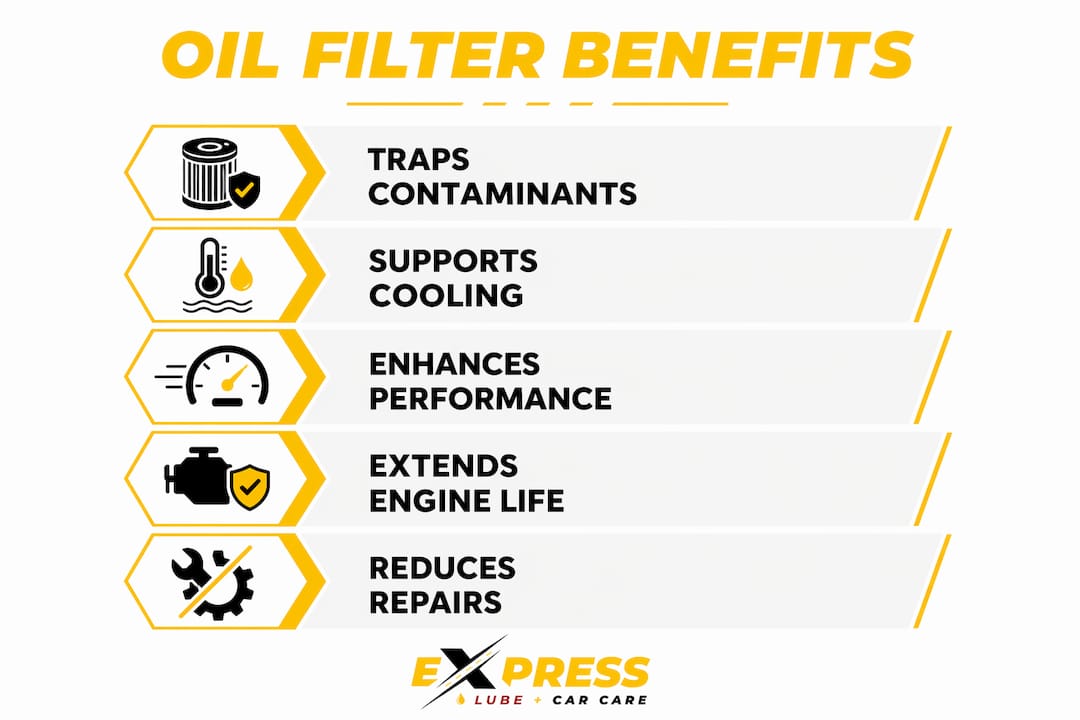
Clean oil is the single most important factor in engine longevity. The purpose of an oil filter goes beyond just catching visible debris. It removes particles as small as a few microns, particles your eye cannot see but your engine absolutely feels. Contaminated oil acts like liquid sandpaper, grinding against bearing surfaces and cylinder walls with every revolution.
“Running an engine on dirty oil is asking it to work without the lubrication it depends on. The filter is what stands between clean oil and an engine that wears out years too soon.”
The oil filter also supports your engine’s cooling function. Oil carries heat away from the combustion chamber and moving parts. When oil is thick with contaminants, it transfers heat less efficiently. That leads to higher operating temperatures, which accelerate wear on seals, gaskets, and metal surfaces. Keeping your filter clean is one of the most direct ways to keep your engine running smoothly for the long term.
The long-term cost math is straightforward. A quality oil filter costs a fraction of what a bearing replacement or engine rebuild costs. Drivers who follow regular oil change intervals consistently report fewer major repairs over the life of their vehicles. Protecting your engine with a clean filter is not a luxury. It is the cheapest insurance you can buy.
What happens if you neglect oil filter maintenance?
Skipping an oil filter change does not just reduce filtration quality. It sets off a chain of events that gets progressively more damaging. Here is what happens in order:
- Filter media saturates. The pleated fibers fill with contaminants and can no longer capture new particles effectively. Flow resistance increases.
- Bypass valve activates. Once differential pressure exceeds the bypass threshold, the valve opens and dirty oil circulates unfiltered through the entire engine.
- Abrasive wear begins. Metal particles and soot score bearing surfaces, cylinder walls, and camshaft lobes. This damage is cumulative and irreversible.
- Sludge builds up. Oxidized oil and contaminants combine into thick sludge that blocks oil passages, starving components of lubrication entirely.
- Major failure occurs. Scored bearings, seized pistons, or a spun bearing rod can result in engine failure requiring a full rebuild or replacement.
Maintenance standards in 2026 recommend replacing the oil filter with every oil change, typically every 6 months or according to your manufacturer’s mileage guidelines. Modern filters are efficient, but that efficiency means they fill up faster than older designs. Waiting too long between changes accelerates bypass activation.
Pro Tip: Never reuse an old filter when you change your oil. Even if the filter looks clean on the outside, the media inside is saturated. A new filter costs a few dollars. A new engine costs thousands.
What are different types of oil filters and their features?
Not all oil filters work the same way. The two primary designs are full-flow filters and bypass filters, and they serve different roles in the lubrication system.
Full-flow filters
Full-flow filters require all engine oil to pass through the filter media before reaching engine components. Every drop of oil gets filtered on every pass. This design is standard on virtually all passenger vehicles because it provides complete protection without risking oil starvation. The trade-off is that full-flow filters must balance filtration efficiency against flow restriction. A filter that captures very fine particles may restrict flow enough to trigger the bypass valve prematurely.
Bypass filters
Bypass filters process about 10% of oil flow at a time, returning cleaned oil to the sump rather than sending it directly to engine components. This design allows for much finer particle retention because flow restriction is less critical. Bypass filters are most common on commercial trucks and high-performance engines. Secondary bypass filtration systems are becoming more common in consumer vehicles, offering a “polishing” effect that extends oil and filter life without affecting main oil flow.
Key features to evaluate
- Filter media quality: Synthetic fiber media captures finer particles and holds more contaminants than standard paper media before reaching capacity.
- Anti-drainback valve: Not all filters include one. Vehicles mounted with the filter facing upward need this valve to prevent dry starts.
- Capacity: A filter with higher dirt-holding capacity lasts longer before bypass activation. Low-quality filters with low media capacity cause premature bypass, circulating unfiltered oil.
- Efficiency vs. restriction balance: Filter design must balance efficiency, capacity, and restriction for optimal engine protection. A high-efficiency filter that restricts flow too much can trigger bypass during cold starts or heavy load conditions.
Choosing the right filter for your vehicle means matching the filter’s specifications to your engine’s requirements, not just grabbing the cheapest option on the shelf.
Key takeaways
The oil filter is your engine’s most cost-effective line of defense, and replacing it with every oil change is the single most reliable way to prevent long-term engine damage.
| Point | Details |
|---|---|
| Core oil filter function | The filter traps metal particles, dirt, and soot before they reach bearings, camshafts, and pistons. |
| Bypass valve risk | A clogged filter triggers the bypass valve, circulating unfiltered oil and causing abrasive engine wear. |
| Anti-drainback valve matters | This valve keeps oil in the filter after shutdown, preventing dry starts that damage engine parts. |
| Replace with every oil change | 2026 maintenance standards recommend a new filter every oil change to prevent premature bypass activation. |
| Filter quality affects protection | Low-capacity or high-restriction filters compromise engine protection even if they look identical to quality options. |
What we see every day at Express Lube & Car Care
The most common misconception I encounter is that the oil filter is a secondary concern. Drivers focus on the oil itself and treat the filter as an afterthought. That thinking gets expensive fast.
At Express Lube & Car Care, our ASE-certified technicians inspect filters on every service visit. What we find regularly are filters that have been left in place one or two oil changes too long. The media is saturated, the bypass valve has been cycling, and the oil we drain is darker and thicker than it should be. The engine has been running on partially filtered oil for months without the driver knowing.
The other pattern I see is drivers choosing the lowest-priced filter available. Price does not always reflect quality, but a filter with thin media and no anti-drainback valve is a genuine risk. Spending a few extra dollars on a quality filter with synthetic media and a reliable anti-drainback valve is one of the best decisions you can make for your engine.
My honest advice: follow your manufacturer’s recommended interval, never skip the filter when you change the oil, and ask your technician what filter they are installing. A good shop will tell you exactly what goes into your vehicle and why. That transparency is something we take seriously at Express Lube & Car Care.
— Express Lube & Car Care
Oil filter service you can count on in Haltom City
Your engine depends on clean oil and a working filter every time you turn the key. Express Lube & Car Care provides fast, professional oil and filter changes with no appointment needed, so you never have to plan your day around a maintenance visit.
Our ASE-certified technicians use quality filters matched to your vehicle’s specifications and check your full lubrication system while they work. If your engine needs more than a filter swap, our engine diagnostics and repair service covers everything from oil pressure issues to full engine health assessments. For drivers in the DFW area who want reliable, transparent service, visit Express Lube & Car Care and get back on the road with confidence.
FAQ
What does an oil filter do exactly?
An oil filter removes contaminants like metal shavings, dirt, and soot from engine oil before they reach critical components. Oil circulates through the filter dozens of times per minute while the engine runs.
How often should I change my oil filter?
Replace your oil filter with every oil change, typically every 6 months or per your manufacturer’s mileage guidelines. Modern high-efficiency filters fill up faster, so skipping a change risks bypass valve activation and unfiltered oil circulation.
What happens when the bypass valve opens?
The bypass valve allows unfiltered oil to circulate through the engine when the filter is clogged or during cold starts. Short-term bypass is safe, but prolonged bypass causes abrasive wear on bearings and other engine components.
What is the anti-drainback valve in an oil filter?
The anti-drainback valve is a rubber membrane that keeps oil inside the filter after the engine shuts off. It prevents dry starts by ensuring oil reaches engine parts immediately when you restart, rather than leaving components unlubricated for several seconds.
Does filter quality really make a difference?
Yes. Low-quality filters with limited media capacity trigger bypass sooner, circulating dirty oil through your engine. A quality filter with synthetic media and proper capacity provides consistent protection between oil changes.