

Rideshare vehicles require oil changes every 3,000–5,000 miles because their operating conditions qualify as severe duty, a recognized industry classification that triggers shorter maintenance intervals than standard personal use. Uber and Lyft drivers accumulate mileage two to three times faster than the average commuter, which means oil breaks down at a pace most factory maintenance schedules never anticipated. Add in constant idling while waiting for ride requests, repeated cold starts across multiple shifts, and heavy stop-and-go city traffic, and you have a recipe for accelerated engine wear. Understanding why rideshare vehicles need frequent oil changes is the first step toward protecting your income and your engine at the same time.
How rideshare driving conditions accelerate oil degradation
Rideshare driving is classified as severe duty use, and that classification changes everything about how you should maintain your engine. Standard oil change intervals assume a mix of highway miles and moderate city driving. Rideshare driving is almost the opposite.
Rapid mileage accumulation is the most visible factor. Rideshare vehicles pile on miles two to three times faster than personal vehicles. That alone would justify shorter intervals, but the type of miles matters just as much as the count.
Here is what specifically degrades oil faster in rideshare conditions:
- Frequent idling. Sitting with the engine running while waiting for a ping generates heat without moving air through the cooling system efficiently. That heat breaks down oil additives faster than highway driving does.
- Repeated cold starts. Every time you start a cold engine, unburned fuel washes past the piston rings and dilutes the oil. Multiple shifts per day mean multiple cold starts, and fuel dilution contaminates oil even before the odometer reflects the damage.
- Stop-and-go city traffic. Short trips at low speeds prevent the engine from reaching full operating temperature long enough to burn off moisture. That moisture mixes with oil and promotes sludge buildup.
- Degraded oil additives. The additives in engine oil, including detergents, anti-wear agents, and viscosity modifiers, break down under sustained heat and pressure. Rideshare engines run hot and stressed for longer daily periods than most personal vehicles ever do.
Pro Tip: Check your oil color and consistency every two weeks, not just at scheduled intervals. Dark, gritty oil between changes is a direct signal that your driving conditions are harder on oil than the mileage alone suggests.
Standard intervals vs. severe duty intervals: what the numbers say
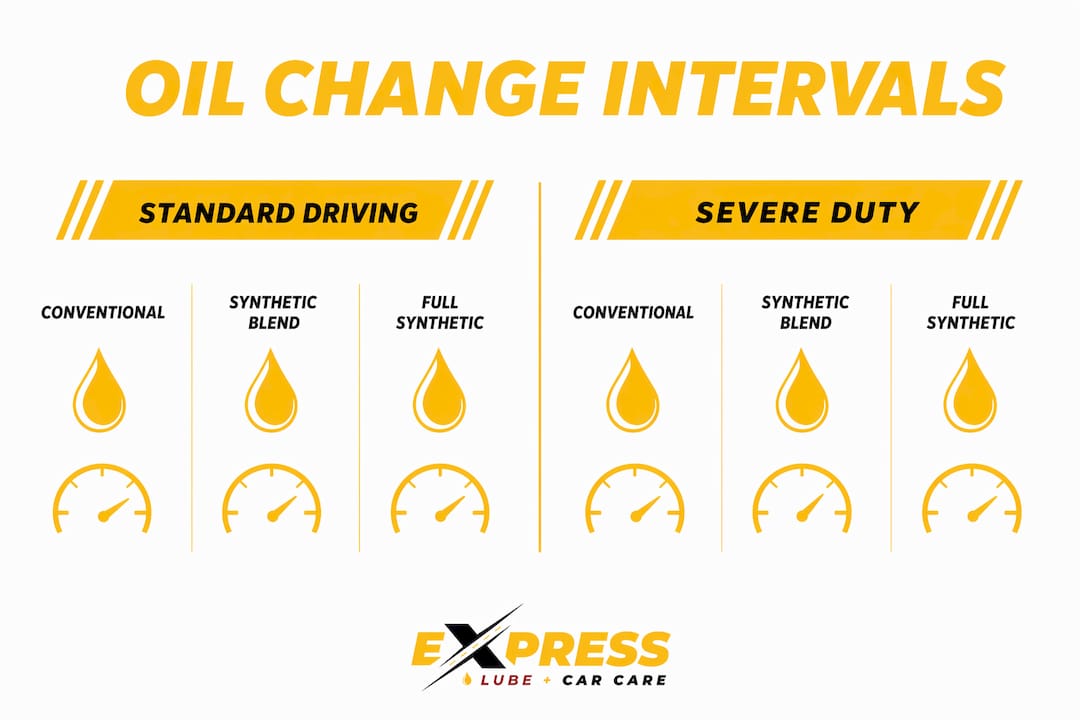
The gap between standard and severe duty oil change schedules is wider than most drivers realize. Standard intervals typically fall in the 7,500–10,000 mile range for modern vehicles using full synthetic oil. Severe duty conditions, which include rideshare driving, cut that range significantly.
| Oil Type | Standard Driving Interval | Severe Duty / Rideshare Interval |
|---|---|---|
| Conventional | 3,000–5,000 miles | 2,000–3,000 miles |
| Synthetic Blend | 5,000–7,500 miles | 3,500–5,000 miles |
| Full Synthetic | 7,500–10,000 miles | 5,000–6,000 miles |
Severe duty conditions include frequent idling, extreme temperatures, and heavy city traffic, all of which are daily realities for rideshare drivers. Dropping your interval by 1,000–2,000 miles compared to the standard recommendation is not overcaution. It is the correct response to how your engine actually operates.
Time matters too, not just mileage. Manufacturers recommend changing oil no later than every 6–12 months regardless of mileage, because oil degrades chemically from heat and oxidation even when the car sits. If you drive part-time and your mileage stays low, the calendar still governs your schedule.
Modern oil life monitoring systems reinforce this logic. These systems calculate oil life dynamically using engine stress markers like idle time and RPM patterns, not just miles driven. A rideshare vehicle’s monitor will trigger an alert sooner than a highway commuter’s, even at the same odometer reading. Trust the monitor, but also know that severe duty driving can outpace what the algorithm expects.
Pro Tip: If your vehicle has an oil life monitor, reset it after every change and watch how quickly it drops during a heavy driving week. That rate of decline tells you more about your actual interval needs than any generic chart.
How frequent oil changes affect performance and fuel economy
Fresh engine oil does more than prevent wear. It directly affects how efficiently your engine runs, which translates to real money for a driver who logs thousands of miles per month.
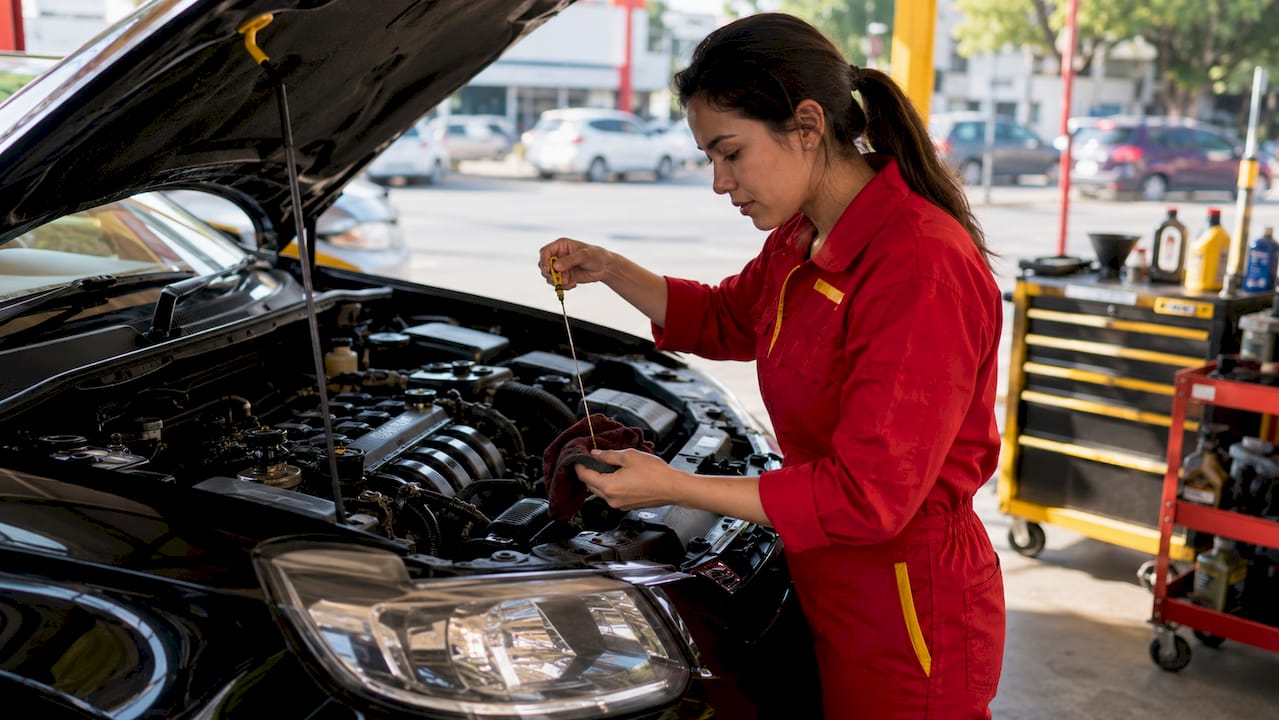
Clean oil reduces friction between moving metal parts. Neglecting timely oil changes reduces fuel efficiency, while fresh oil improves miles per gallon by letting the engine work less hard. For a rideshare driver burning fuel across eight to ten hour shifts, even a modest MPG improvement adds up over a full month of driving.
The oil change impact on performance goes beyond the fuel pump, though. Consider these direct benefits:
- Lower engine temperature. Fresh oil carries heat away from the combustion chamber more effectively than degraded oil. Cooler engines wear more slowly and are less likely to trigger warning lights mid-shift.
- Reduced engine wear. Worn oil loses its film strength, meaning metal surfaces contact each other directly. That contact causes microscopic damage that accumulates into expensive repairs over time.
- Longer engine life. Rideshare vehicles that receive consistent oil changes at appropriate intervals simply last longer. An engine that reaches 200,000 miles in good condition keeps you earning. An engine that fails at 120,000 miles costs you both repair bills and lost income.
- Fewer unplanned breakdowns. Preventive maintenance reduces operating costs and keeps drivers on the road instead of in a repair shop waiting room.
The cost math is straightforward. A full synthetic oil change at a quality shop costs a fraction of what a single engine repair costs. Skipping oil changes to save $60 today can lead to a $3,000 repair bill in six months. That is not a trade-off any rideshare driver can afford.
Practical oil change scheduling for rideshare drivers
Treating your personal vehicle like a commercial fleet asset is the single most effective mindset shift a rideshare driver can make. Experienced drivers coordinate oil changes and inspections to minimize service visits and maximize uptime. You can do the same with a simple system.
- Set a mileage trigger, not just a calendar reminder. Based on your oil type and driving intensity, pick a firm mileage interval, such as 5,000 miles for full synthetic under rideshare conditions, and stick to it. Log your odometer reading after every change.
- Bundle maintenance tasks. Every oil change is an opportunity to check tire pressure, inspect brakes, and top off fluids. Combining tasks into one visit saves time and catches problems before they become breakdowns. A car maintenance schedule by mileage keeps all these tasks organized in one place.
- Choose the right oil for high mileage use. Full synthetic oil is the correct choice for most rideshare vehicles because it handles heat and stress better than conventional oil. If your vehicle has passed 75,000 miles, a high mileage formula with seal conditioners adds another layer of protection. Resources on oil for high mileage cars can help you select the right product for your specific engine.
- Replace the filter every time. An oil filter that stays in place while fresh oil goes in is a contamination risk. The filter holds old debris, and that debris mixes back into your clean oil within the first few miles.
- Watch for warning signs between changes. Low oil pressure warnings, a burning smell from the engine bay, or oil that looks black and gritty on the dipstick all signal that your current interval is too long for your driving pattern.
Budgeting for car maintenance as a fixed monthly expense, rather than a surprise cost, removes the temptation to delay service when money feels tight. Set aside a specific dollar amount each week. When the service is due, the money is already there.
Pro Tip: Schedule your oil changes on a slow driving day, not a busy Friday night. A quick service visit during a low-demand period costs you far less in lost earnings than an emergency breakdown during peak hours.
Key Takeaways
Rideshare vehicles need oil changes every 3,000–5,000 miles because severe duty driving conditions degrade oil faster than any standard maintenance schedule accounts for.
| Point | Details |
|---|---|
| Severe duty classification | Rideshare driving triggers shorter oil change intervals than standard personal vehicle use. |
| Mileage accumulation rate | Rideshare vehicles accumulate miles two to three times faster, accelerating fluid degradation. |
| Interval range for rideshare | Full synthetic oil should be changed every 5,000–6,000 miles under rideshare conditions. |
| Time-based rule | Change oil every 6–12 months regardless of mileage to prevent sludge from oxidation. |
| Maintenance as investment | Consistent oil changes reduce breakdown risk and protect driver income over the long term. |
What we see every day at Express Lube & Car Care
Rideshare drivers walk into Express Lube & Car Care regularly, and the pattern is consistent. The drivers who come in on schedule, every 5,000 miles or sooner, have cleaner engines, fewer warning lights, and longer-lasting vehicles. The drivers who push past their intervals to save time or money often arrive with oil that looks more like tar than lubricant.
The uncomfortable truth is that most rideshare drivers underestimate how hard their vehicles work. A personal car driven 12,000 miles per year in mixed conditions is a completely different machine from a rideshare vehicle covering the same distance in three months of city driving. The engine does not know the difference between a commute and a shift. It only knows heat, friction, and whether the oil protecting it is still doing its job.
Treating your oil change schedule as a non-negotiable business expense, not an optional car care task, is what separates drivers who stay on the road from those who lose income to preventable repairs. Your vehicle is your most important business tool. Protect it accordingly.
— Express Lube & Car Care
Professional oil changes for rideshare drivers in the DFW area
Rideshare drivers in the DFW area need a shop that works on their schedule, not the other way around.
Express Lube & Car Care provides no-appointment-required oil changes with ASE-certified technicians who understand severe duty driving conditions. The team handles full synthetic and high mileage oil changes, filter replacements, and fluid top-offs in a single efficient visit. If your engine needs a closer look, the engine diagnostics and repair service in Haltom City gives you a clear picture of what is happening under the hood before a small problem becomes a costly one. RepairPal certification backs every service with transparent pricing, so you know exactly what you are paying before the work begins. Get in, get serviced, and get back to earning.
FAQ
How often should rideshare drivers change their oil?
Rideshare drivers should change their oil every 3,000–5,000 miles under severe duty conditions, or every 6 months at minimum, whichever comes first. Full synthetic oil used in rideshare vehicles should be changed no later than every 5,000–6,000 miles given the combination of idling, cold starts, and stop-and-go traffic.
Does idling really degrade oil faster?
Yes. Idling generates engine heat without the airflow that highway driving provides, which breaks down oil additives faster than normal driving does. Fuel dilution from repeated cold starts compounds the problem by contaminating the oil chemically, not just thermally.
What type of oil is best for a rideshare vehicle?
Full synthetic oil is the best choice for most rideshare vehicles because it handles heat, friction, and extended stress better than conventional or synthetic blend options. Vehicles with more than 75,000 miles benefit from a high mileage full synthetic formula that includes seal conditioners.
Can I use my car’s oil life monitor to decide when to change oil?
Oil life monitors are a useful guide because they calculate oil life dynamically using engine stress data like idle time and RPM. For rideshare drivers, the monitor will typically alert earlier than it would for a standard commuter, which is the correct response to severe duty conditions.
What happens if I skip an oil change as a rideshare driver?
Skipping an oil change allows degraded oil to circulate through the engine, increasing friction, heat, and wear on critical components. Over time, this leads to sludge buildup, reduced fuel economy, and eventually engine damage that costs far more to repair than the oil change would have cost to prevent.