

High mileage oil change benefits are defined as the protective advantages specialized motor oil provides to engines with 75,000 miles or more. These oils contain seal conditioners, enhanced detergents, and anti-wear additives that standard formulations simply do not include. The industry term for this product category is “high mileage motor oil,” and it addresses specific aging symptoms like oil seepage, sludge buildup, and increased oil consumption. If your vehicle is approaching or past that mileage mark, understanding what these oils actually do can help you make a smarter maintenance decision.
1. High mileage oil change benefits: what they are and why they matter
High mileage motor oil is typically recommended at the 75,000-mile mark, when engines begin showing common aging symptoms. Those symptoms include seal hardening, increased oil consumption, and deposit buildup. Standard motor oil is not formulated to address these issues. High mileage oil is built with a different additive package specifically targeting the wear patterns that older engines develop.
The core difference comes down to three additive categories: seal conditioners, enhanced detergents, and anti-wear compounds. Each one targets a different failure point in an aging engine. Together, they work to slow the progression of wear rather than reverse damage that has already occurred. That distinction matters, and it shapes realistic expectations for every driver who makes the switch.
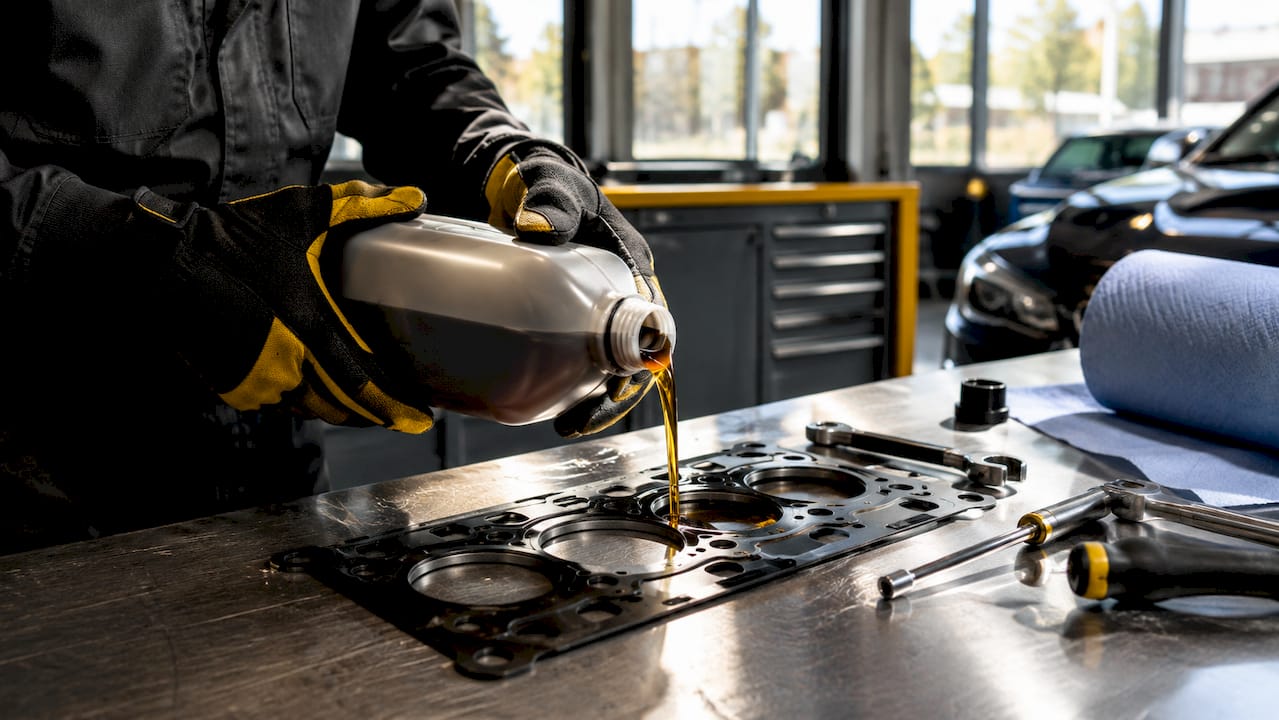
2. How high mileage oil protects aging engine seals and gaskets
Rubber seals and gaskets harden and shrink as engines age. When that happens, oil finds its way past them, creating leaks and seepage. Seal-conditioning agents in high mileage oils restore flexibility to these rubber components, slowing the hardening process and reducing the chance of minor leaks turning into larger problems.
This is one of the most practical advantages of high mileage oil for older vehicles. A seal that stays flexible holds oil where it belongs, which means less burn-off and less mess under your hood. The result is a cleaner engine bay and a more consistent oil level between changes.
Here are the most common symptoms that suggest your seals could benefit from a switch:
- A thin film of oil on the outside of the engine block or valve cover
- Oil spots on the driveway after the car sits overnight
- A burning oil smell after driving, with no visible drip
- Gradual oil level drop between changes without a clear external leak
- A slight haze of blue smoke at startup that clears quickly
Pro Tip: Check your oil level every two weeks if your car has more than 75,000 miles. A slow drop in level without visible leaks often points to seal seepage, and high mileage oil can help manage that before it worsens.
3. How high mileage oil controls sludge and deposits in older engines
Sludge is thickened, degraded oil that collects inside the engine when oil breaks down faster than it gets changed. It coats oil passages, restricts flow, and forces the engine to work harder. In older engines, sludge accumulates faster because worn components generate more heat and combustion byproducts that contaminate the oil.
Enhanced detergent additives in high mileage oil dissolve existing sludge and prevent new deposits from forming. These cleaning agents work continuously as the oil circulates, keeping internal surfaces cleaner between changes. Anti-wear compounds in the same additive package also protect metal surfaces where sludge has already caused minor damage.
Neglecting sludge control leads to oil starvation in critical areas like the camshaft and crankshaft bearings. That kind of damage is expensive and often irreversible. The detergent package in high mileage oil is one of the most cost-effective ways to stay ahead of that outcome.
Driving habits and maintenance gaps that increase sludge risk include:
- Skipping or delaying oil changes beyond the recommended interval
- Frequent short trips under five miles that prevent the engine from reaching full operating temperature
- Extended idling in stop-and-go traffic
- Using the wrong oil viscosity for your climate
- Towing or hauling loads regularly without adjusting your change interval
4. How high mileage oil reduces oil consumption and smoking
Worn piston rings and valve seals are the two main reasons older engines burn oil. When these components wear down, oil slips past them into the combustion chamber and burns along with the fuel. The result is higher oil consumption, blue or gray exhaust smoke, and reduced engine efficiency.
High mileage oil formulations reduce this burn-off by combining seal conditioning with a slightly higher viscosity that fills gaps worn components leave behind. Less oil reaches the combustion chamber, which means less smoke and a more stable oil level. This also supports better fuel efficiency because the engine runs with less internal friction and more consistent lubrication.
Most drivers notice a reduction in visible smoke within one or two oil change cycles after switching. The change is gradual, not immediate. If smoking continues heavily after two full changes, the underlying wear may require mechanical attention rather than an oil change alone.
Key signs that oil consumption is the issue:
- Blue or grayish smoke from the exhaust, especially at startup or under acceleration
- Oil level dropping more than a quart between changes
- A faint burning smell inside the cabin while driving
- Spark plugs with oily or carbon-fouled deposits
5. When should you switch to high mileage oil?
The standard mileage threshold for switching is 75,000 miles, but that number is a starting point, not a hard rule. Driving patterns and maintenance history both influence when your engine actually needs the extra protection. An engine with consistent oil changes and no symptoms at 80,000 miles may not need to switch yet. An engine at 60,000 miles with a history of missed changes might benefit from switching now.
Engines under stress from missed maintenance or frequent short trips experience accelerated seal degradation regardless of mileage. That means the odometer alone does not tell the full story. You need to factor in how the vehicle has been used and what symptoms, if any, are already present.
Use this checklist to evaluate whether your engine is ready for the switch:
- Your odometer reads 75,000 miles or more
- You notice minor oil seepage around gaskets or the valve cover
- Your oil level drops noticeably between changes
- You see light smoke at startup that clears within a minute
- You hear a brief ticking noise at cold startup that fades as the engine warms
- Your maintenance history includes any extended gaps between oil changes
Pro Tip: If you check your car maintenance schedule and find two or more of the signs above, switch to high mileage oil at your next change. You do not need to wait for a dramatic symptom to justify it.
Engines with no symptoms and a clean maintenance record can continue with regular oil without issue. The switch is most valuable when aging symptoms are already present or when the engine has experienced any period of neglect.
6. What types of high mileage oils are available?
Two main categories exist: standard high mileage oil and extended performance high mileage oil. Both contain the same core additive package, but they differ in how long they remain effective before needing replacement.
Standard high mileage oil follows a conventional change interval, typically every 5,000 to 7,500 miles depending on the formulation and your driving conditions. Extended performance versions are engineered to last longer. High Mileage Extended Performance oils can provide 15,000 to 20,000 mile change intervals depending on the specific product. That longer interval appeals to drivers who want fewer visits without sacrificing protection.
Full synthetic high mileage oils sit at the top of the performance range. Consistent use of full synthetic high mileage oil supports performance in extreme temperature conditions, making it a strong choice for drivers in climates with very hot summers or very cold winters. For a deeper look at how synthetic formulations compare, the synthetic vs. regular oil breakdown covers the key differences in plain terms.
| Oil type | Change interval | Best use case |
|---|---|---|
| Standard high mileage | 5,000–7,500 miles | Everyday driving, budget-conscious owners |
| Extended performance high mileage | 15,000–20,000 miles | Owners wanting fewer changes with sustained protection |
| Full synthetic high mileage | Varies by product | Extreme climates, high-performance older engines |
Viscosity selection also matters. Most older engines perform well with a slightly thicker grade, such as 10W-40, compared to the 5W-30 many newer vehicles use. Check your owner’s manual and consult an ASE-certified technician if you are unsure which grade fits your engine’s current condition.
Key takeaways
High mileage motor oil is the most targeted maintenance tool available for engines over 75,000 miles, protecting seals, reducing sludge, and cutting oil consumption in one formulation.
| Point | Details |
|---|---|
| Switch threshold | The 75,000-mile mark is the standard trigger, but driving history and symptoms matter equally. |
| Seal protection | Seal conditioners restore rubber flexibility, reducing minor leaks and oil seepage. |
| Sludge control | Enhanced detergents dissolve existing sludge and prevent new deposit buildup. |
| Oil consumption | High mileage formulations reduce burn-off from worn piston rings and valve seals. |
| Oil type choice | Extended performance and full synthetic options offer longer intervals and stronger protection in extreme conditions. |
What we’ve learned from years of high mileage engine care
At Express Lube & Car Care, the most common misunderstanding we see is drivers expecting high mileage oil to fix a problem rather than manage one. A customer comes in with a noticeable leak and hopes the right oil will seal it up completely. That is not how it works, and setting that expectation straight is part of what we do.
High mileage oil is a management tool, not a repair product. It will not fix a broken gasket or restore a worn piston ring. What it will do is slow the progression of symptoms that are already developing. That is genuinely valuable, but only when paired with regular checks and honest assessment of what the engine actually needs.
The drivers who get the most out of high mileage oil are the ones who use it consistently and stay on top of their change intervals. Switching once and then stretching the interval to 10,000 miles on a standard formulation defeats the purpose. The additives deplete over time, and an older engine needs fresh protection more often, not less.
We also see drivers wait too long before switching. By the time they come in with heavy smoking or a significant oil leak, the high mileage oil can only do so much. The earlier you catch the symptoms and respond, the more effective the oil will be. Think of it as giving your engine a better chance, not a second life.
— Express Lube & Car Care
Your engine deserves the right oil at the right time
If your vehicle is approaching 75,000 miles or already showing signs of aging, getting the right oil in the engine is one of the simplest things you can do to protect it. Express Lube & Car Care makes that easy with no-appointment-required visits and ASE-certified technicians who know exactly what older engines need.
Our team handles high mileage oil changes with the same care we bring to every service, and we can also run a full engine diagnostic if you are seeing symptoms like smoking, leaks, or unusual noise. Transparent pricing and fast turnaround mean you are back on the road without the wait. Stop by any time and let us take a look.
FAQ
What is the main benefit of high mileage oil?
High mileage oil protects aging engines by conditioning seals, reducing sludge, and cutting oil consumption. These benefits are most relevant for vehicles with 75,000 miles or more.
When should I switch to high mileage oil?
The standard recommendation is at 75,000 miles, but you should switch earlier if your engine shows symptoms like minor leaks, oil level drops, or startup noise.
Will high mileage oil stop my engine from leaking?
High mileage oil can reduce minor seepage by restoring seal flexibility, but it will not repair a broken gasket or a significant mechanical leak. Those require professional repair.
How often should I change high mileage oil?
Standard high mileage oil typically needs changing every 5,000–7,500 miles. Extended performance formulations can last up to 15,000–20,000 miles depending on the product and driving conditions.
Is full synthetic high mileage oil worth it for older cars?
Full synthetic high mileage oil delivers the strongest protection, especially in extreme heat or cold. It is worth the added cost if your engine runs in demanding conditions or has a history of maintenance gaps.