
A reliable local mechanic is defined by verifiable credentials, clear warranty terms, and honest communication. With nearly 240,000 auto repair shops operating across the U.S., picking the right one without a clear mechanic qualification checklist is a gamble most drivers cannot afford. This guide gives you a practical, step-by-step auto repair selection criteria framework covering ASE certification, warranty standards, reputation signals, and communication habits. Work through each point before you hand over your keys, and you will walk away confident you chose a shop that earns your trust and your business.
1. Verify ASE certification first
ASE certification is the single most reliable benchmark for mechanic competence in the United States. The National Institute for Automotive Service Excellence, known as ASE, requires technicians to pass standardized tests and retest every 5 years to keep their credentials current. Think of it the way you would a board-certified physician: the credential tells you the person has been tested, not just trained.
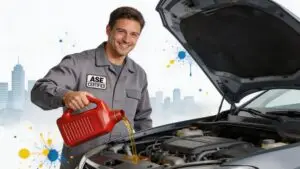
When you walk into a shop, look for the ASE Blue Seal of Excellence displayed on the wall or on technician uniforms. Ask specifically which ASE specialty areas the technicians hold, because certification in brakes differs from certification in engine performance or electrical systems. A shop with multiple certified technicians across several specialties is better equipped for complex repairs.
- Check for the ASE Blue Seal of Excellence at the shop entrance
- Ask which specialty certifications individual technicians hold
- Confirm that certifications are current, not expired
Pro Tip: Visit the ASE website directly to verify a technician’s certification status by name before your first appointment.
2. Evaluate warranty coverage before authorizing work

Warranty terms reveal how confident a shop is in its own work. Reputable shops offer a minimum 12-month/12,000-mile warranty on parts and labor, and some extend that to 24 months or 24,000 miles on certain repairs. A shop that offers less than the 12-month standard is signaling something worth questioning.
Ask what the warranty covers before you approve any repair. Good warranties cover both parts and labor, not just one or the other. A parts-only warranty leaves you paying labor costs again if the same component fails within the coverage period.
- Minimum standard: 12 months or 12,000 miles on parts and labor
- Better shops offer 24 months or 24,000 miles on major repairs
- Confirm whether the warranty transfers if you sell the vehicle
Pro Tip: Get every warranty detail in writing before the shop starts any work. A verbal promise is not enforceable.
3. Check reputation through multiple review sources
Personal referrals from people you trust are the strongest reputation signal available. Ask friends, family members, or coworkers who drive similar vehicles which local shops they use and why. A recommendation backed by a specific positive experience carries more weight than any star rating.
Online reviews add a second layer of insight, but read them carefully. Mid-level 3-star reviews reveal consistent patterns that extreme ratings hide. A shop with 50 glowing 5-star reviews and 10 furious 1-star reviews tells you less than a shop with 80 honest 3-star reviews describing the same strengths and weaknesses. Cross-reference Google, Yelp, and the Better Business Bureau for a fuller picture. Local Facebook groups and neighborhood apps also surface candid, recent feedback that formal review platforms sometimes miss.
- Ask trusted contacts for direct referrals first
- Read 3-star reviews for balanced, consistent feedback
- Check Google, Yelp, BBB, and local community groups
Pro Tip: Look for reviews that specifically mention clear communication and upfront pricing. Those patterns predict your own experience better than overall star counts. You can also learn how reviews shape trust at local shops before you commit.
4. Look for transparency in estimates and explanations
A trustworthy mechanic gives you a written, itemized estimate before touching your vehicle. Transparency indicators include clear written estimates and showing worn or broken parts as physical evidence of the problem. If a shop cannot show you what failed and explain why it needs replacing, that is a red flag worth taking seriously.
Pay attention to how the shop communicates during the repair. Good shops call or text with updates, explain what they found in plain language, and answer your questions without rushing you. Vague answers like “it just needs work” are not acceptable when your money and safety are on the line.
- Request a written, itemized estimate before approving any repair
- Ask to see worn or damaged parts as evidence
- Expect clear explanations in plain language, not technical deflection
Verifying auto repair estimates is a skill worth developing before you face a large repair bill. If an estimate runs higher than expected, ask the mechanic to prioritize repairs by safety urgency so you can plan your budget without skipping critical fixes.
Pro Tip: If a mechanic seems annoyed by your questions, that reaction tells you everything. A confident, honest technician welcomes questions.
5. Look for additional trust certifications
ASE certification covers technician skill, but shop-level certifications add another layer of assurance. AAA-approved facilities meet strict standards for equipment, training, and customer service, and they are inspected regularly to maintain that status. RepairPal certification is another credible signal, indicating the shop meets standards for fair pricing and quality repairs.
These certifications matter because they involve third-party oversight. Any shop can claim to be the best in town. A shop that has earned and maintained external certification has proven it to an independent authority. Express Lube & Car Care holds RepairPal certification, which reflects its commitment to consistent, verifiable service standards.
6. Test the shop with a small job first
Starting with routine maintenance like an oil change or tire rotation is the lowest-risk way to evaluate a mechanic before trusting them with a major repair. A small job lets you observe how the shop operates without significant financial exposure.
Here is what to watch during a trial visit:
- Timeliness. Did the shop complete the work within the time they quoted?
- Communication. Did anyone explain what they did and flag anything they noticed?
- Cleanliness. Was your vehicle returned clean, with no grease on the seats or steering wheel?
- Itemized receipt. Did the invoice match the estimate you received upfront?
- Attitude. Did the staff treat you with respect and answer your questions directly?
A shop that handles a $60 oil change with professionalism will almost certainly handle a $600 brake job the same way. The reverse is also true. Building a relationship through small jobs also means the mechanic learns your vehicle’s history, which makes diagnosing future problems faster and more accurate.
Pro Tip: Use your first visit to ask about scheduling flexibility. A shop that can accommodate your timeline on a routine job will be easier to work with when an urgent repair comes up.
7. Compare independent shops and dealerships on the factors that matter
Independent shops and dealerships each have a place in your local auto repair guide, but they serve different needs. Independent shops are typically 20–40% cheaper than dealerships for routine maintenance like oil changes, brakes, and tires. That cost difference adds up significantly over the life of a vehicle.
Dealerships carry brand-specific diagnostic tools and factory-trained technicians, which gives them an edge on complex warranty repairs or recalls tied to your vehicle’s make. For out-of-warranty routine maintenance, the cost premium rarely reflects a quality difference. You can explore the quick lube vs. dealership differences in more detail to match your choice to your specific needs.
| Factor | Independent shop | Dealership |
|---|---|---|
| Cost for routine maintenance | 20–40% lower on average | Higher, often due to overhead |
| Brand-specific expertise | General across makes and models | Deep expertise in one brand |
| Warranty on repairs | Typically 12–24 months | Varies by manufacturer policy |
| Customer communication | Often more personal and direct | Structured, sometimes less flexible |
| Convenience | Usually faster turnaround | May require appointments days out |
The right choice depends on your vehicle’s age, warranty status, and the type of repair needed. For most routine maintenance and non-warranty repairs, a certified independent shop delivers equal or better quality at a lower price.
Key Takeaways
The most effective mechanic selection strategy combines verified ASE credentials, written warranty terms, and a trial run on a small job before committing to major repairs.
| Point | Details |
|---|---|
| ASE certification is non-negotiable | Confirm current credentials and specialty areas before your first visit. |
| Warranty terms reveal shop confidence | Require at least 12 months or 12,000 miles in writing on parts and labor. |
| Mid-tier reviews tell the real story | Read 3-star reviews across multiple platforms for consistent patterns. |
| Transparency is a trust signal | Written estimates and visible evidence of worn parts separate honest shops from the rest. |
| Trial runs reduce risk | Start with an oil change to assess quality, communication, and professionalism firsthand. |
What I have learned from watching drivers choose the wrong shop
At Express Lube & Car Care, we see the aftermath of rushed mechanic decisions regularly. A driver brings in a vehicle that was “repaired” elsewhere, and the real problem was never diagnosed because no one asked the right questions upfront. The checklist approach is not about being difficult. It is about being prepared.
The most common mistake drivers make is choosing a shop based on price alone. A low estimate that lacks a warranty, comes with vague explanations, and skips the written itemization is not a deal. It is a liability. The drivers who get the best outcomes are the ones who ask direct questions and expect direct answers before any work begins.
Patience matters too. Building a relationship with a mechanic through smaller jobs takes a few visits, but it pays off when something serious goes wrong. A mechanic who knows your vehicle and your communication style will diagnose problems faster and explain options more clearly. That relationship is worth more than any one-time discount.
The certified mechanic selection guide we put together for 2026 reflects what we have seen work consistently for drivers in the DFW area. Use the checklist, trust the process, and do not skip the trial run.
— Express Lube & Car Care
Express Lube & Car Care: where the checklist meets real service
Drivers in the Haltom City area who work through this checklist will find that Express Lube & Car Care meets every criterion on it.
Our ASE-certified technicians provide written estimates before any work begins, and our RepairPal certification reflects consistent, third-party-verified service standards. No appointment is needed for routine maintenance, and our turnaround times are built around your schedule, not ours. Whether you need a quick oil change and auto repair or a thorough engine diagnostic, you will receive clear communication and transparent pricing at every step. Come in for a first visit and see how the checklist holds up in person.
FAQ
What does ASE certification mean for a mechanic?
ASE certification means a technician has passed one or more of 52 standardized tests and must retest every five years to stay current. It is the recognized national standard for mechanic competence in the U.S.
What warranty should I expect from a reputable repair shop?
A reputable shop offers at minimum a 12-month or 12,000-mile warranty covering both parts and labor. Better shops extend that to 24 months or 24,000 miles on major repairs.
How do I read online reviews for a mechanic?
Focus on 3-star reviews rather than the extremes, because mid-tier ratings reveal consistent patterns in a shop’s real performance. Cross-check Google, Yelp, and the BBB for a complete picture.
Are independent shops as reliable as dealerships?
Independent shops with ASE certification and strong warranties are equally reliable for most routine maintenance and non-warranty repairs. They typically cost 20–40% less than dealerships for the same services.
What questions should I ask a mechanic before approving repairs?
Ask for a written, itemized estimate, request to see any worn or damaged parts, and confirm the warranty terms in writing. If estimates exceed your budget, ask the mechanic to rank repairs by safety priority.