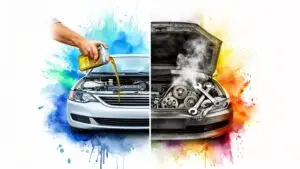

The fastest car maintenance services types are quick, routine tasks designed to keep your vehicle healthy with minimal time in the shop. These include express oil changes, tire rotations, brake fluid checks, battery tests, and filter replacements. Each one is built for speed without cutting corners on what your car actually needs. About 65% of routine maintenance now happens outside dealerships, which tells you drivers are voting with their schedules. Express Lube & Car Care serves that exact need, offering ASE-certified technicians, no appointment required, and fast turnaround in the DFW area.
1. What are the fastest car maintenance services types?
Quick vehicle maintenance, also called preventive or express service in the industry, covers any routine task a trained technician can complete in under 30 minutes without major disassembly. The goal is to address the most common failure points before they become expensive problems. Think of it as the difference between a 15-minute oil change and a 3-hour engine rebuild. You want the first one as often as possible.
The core services in this category are:
- Express oil change: Drain, refill, and filter swap, typically 15–30 minutes
- Tire rotation and pressure check: Moves tires to even out wear, usually under 30 minutes
- Brake fluid top-off and visual inspection: Checks fluid level and pad thickness quickly
- Battery test and replacement: Diagnostic plus swap, often under 20 minutes
- Engine and cabin air filter swap: No tools beyond a screwdriver in most vehicles
- Wiper blade replacement: A two-minute task most shops include at no extra charge
- Fluid top-offs: Coolant, power steering, and windshield washer fluid checks
Combining several fast services in one visit saves more time overall than scheduling each separately. A single 45-minute stop can cover four or five of these tasks at once.
2. Express oil changes: the anchor of any quick maintenance routine
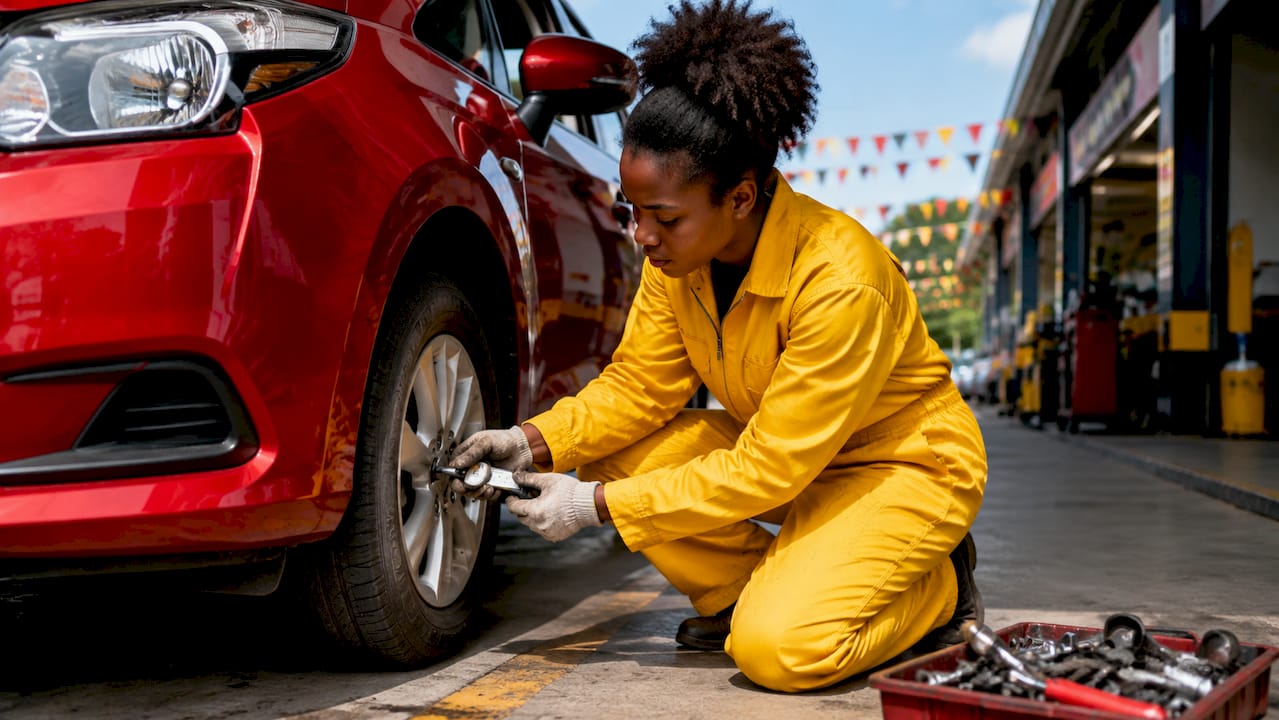
The express oil change is the most common and most time-efficient service your car needs. Drive-thru and stay-in-car models deliver the job in 15 minutes or less, with no appointment and no waiting room. You stay in the car, the technician works underneath, and you drive away with fresh oil and a new filter.
Cost matters here. Quick lube service typically costs $30–$75, while dealership oil changes run $60–$150 for the same basic task. That price gap reflects overhead and service depth, not necessarily better oil. For a healthy vehicle on a standard maintenance schedule, a quick lube delivers the same protection at a lower cost and a fraction of the time.
Conventional oil works fine for most older vehicles and short service intervals. Full synthetic oil lasts longer, typically 7,500–10,000 miles, and costs slightly more. The right choice depends on your vehicle’s age, mileage, and manufacturer spec.
Pro Tip: If your car has a turbocharger or a specific OEM oil requirement, verify the viscosity grade before choosing a quick lube. Turbocharged engines run hotter and need oil that meets exact performance standards. A generic fill can shorten turbo life noticeably over time.
3. Tire rotations and inspections: fast service with real safety payoff
Tire rotation is one of the most underrated services on the quick maintenance list. Tire rotations typically take under 30 minutes and directly extend the life of all four tires by evening out wear patterns. Front tires wear faster than rear tires on most front-wheel-drive vehicles, so rotating them every 5,000–7,500 miles keeps the set wearing evenly.
Signs you should not skip tire service, even when your schedule is tight:
- Uneven tread depth across the tire surface
- Vibration in the steering wheel at highway speeds
- Pulling to one side while driving straight
- Visible sidewall bulges or cracking
- Tire pressure warning light on the dashboard
A quick pressure check takes under five minutes and catches slow leaks before they leave you stranded. Tread depth checks take about the same time and tell you whether you have safe stopping distance left.
Pro Tip: Schedule your tire rotation at the same visit as your oil change. Most quick service shops handle both simultaneously, so the combined stop takes only slightly longer than the oil change alone. You get two critical services for roughly one time investment.
4. Brake fluid top-offs and fast inspections for safety
Brake maintenance does not always mean a full brake job. Brake fluid exchange and basic pad inspections can be performed quickly at most express service centers, and they give you a clear picture of where your braking system stands. A visual pad check takes a technician about five minutes per wheel and identifies whether you have 2mm of pad left or 8mm.
Brake fluid absorbs moisture over time, which lowers its boiling point and reduces braking performance. A fluid top-off or exchange at a quick service center addresses this without a long shop visit. Most shops complete a brake fluid service in 20–30 minutes.
What a fast brake inspection covers:
- Pad thickness measurement on all four corners
- Rotor surface condition check for scoring or warping
- Brake fluid level and color assessment
- Caliper and brake line visual inspection
- Parking brake function test
Pro Tip: Between professional visits, you can check your brake fluid level yourself through the reservoir cap under the hood. If the fluid looks dark brown instead of clear amber, that is a reliable sign it needs changing. Bring that observation to your next quick service stop.
5. Battery tests and filter replacements: the fastest services on the list
Battery checks and replacements rank among the fastest maintenance tasks available, often completed in under 20 minutes. A load test takes about two minutes and tells you exactly how much charge capacity your battery retains. If it fails the test, a replacement swap adds another 10–15 minutes. You leave knowing your car will start reliably.
Early signs your battery needs attention:
- Slow engine crank on startup
- Dim headlights at idle
- Battery warning light on the dash
- Electrical accessories behaving erratically
- Battery age over three years in a hot climate like Texas
Air filter and cabin filter replacements are equally fast. An engine air filter swap takes under five minutes on most vehicles and restores proper airflow to the engine. A clogged filter forces the engine to work harder, which reduces fuel efficiency over time. The cabin air filter swap takes about the same time and directly improves the air quality inside your car.
These services rarely require diagnostics or disassembly. That is why they fit naturally into a quick maintenance routine without adding significant time to your stop.
Pro Tip: Check your engine air filter every time you get an oil change. Hold it up to the light. If you cannot see light through the filter media, replace it. Most drivers wait too long and lose fuel economy without realizing the cause.
6. Quick maintenance services compared by time, cost, and benefit
The table below gives you a clear view of the most common speedy vehicle service types so you can plan your next stop efficiently.
| Service | Estimated time | Average cost | Primary benefit |
|---|---|---|---|
| Express oil change | 15–30 minutes | $30–$75 | Engine lubrication and longevity |
| Tire rotation | 20–30 minutes | $20–$50 | Even tire wear and extended tire life |
| Brake fluid top-off | 15–25 minutes | $10–$30 | Consistent braking performance |
| Battery test and swap | 10–20 minutes | $20–$200 | Reliable starts and electrical stability |
| Engine air filter | 5–10 minutes | $20–$50 | Fuel efficiency and engine airflow |
| Cabin air filter | 5–10 minutes | $15–$40 | Interior air quality and HVAC performance |
| Tire pressure check | 5 minutes | Free–$5 | Safety and fuel economy |
Bundling multiple quick tasks in one visit is the most time-efficient approach for any driver. A shop that handles oil changes, tire rotations, and battery tests under one roof lets you cover three services in the time it would take to schedule two separate appointments elsewhere.
Key takeaways
The fastest car maintenance routine combines express oil changes, tire rotations, battery tests, and filter swaps into a single visit, keeping your vehicle healthy with minimal time off the road.
| Point | Details |
|---|---|
| Express oil changes lead the list | A 15–30 minute oil change is the most frequent and time-efficient service your car needs. |
| Combine services in one stop | Bundling tire rotation, battery check, and filter swap saves more time than separate visits. |
| Brake checks do not require long visits | A quick pad and fluid inspection takes 20–30 minutes and confirms your braking system is safe. |
| Battery tests take under 20 minutes | A two-minute load test identifies failure risk before you get stranded. |
| Quick lube costs less than dealerships | Express service typically runs $30–$75 versus $60–$150 at a dealership for the same oil change. |
What fast service actually teaches you about your car
At Express Lube & Car Care, we have seen a clear pattern over the years. Drivers who come in regularly for quick services catch problems early. Drivers who skip routine stops because they feel too busy end up with the exact repairs they were trying to avoid.
Speed and quality are not opposites in vehicle maintenance. A 15-minute oil change done right protects your engine just as well as a 45-minute dealership visit for the same task. The difference is that quick lube shops work best for healthy vehicles on standard schedules. If your car is under warranty, has a complex repair need, or requires brand-specific diagnostics, a dealership visit makes more sense.
The misconception we hear most often is that fast service means rushed service. That is not accurate. Express service means a focused, efficient process built around routine tasks that do not require extended diagnostics. Our ASE-certified technicians follow the same inspection standards on a 20-minute battery swap as they do on a full-day repair.
The practical advice we give every driver is this: build a quick maintenance routine around your oil change interval. Every time you come in for an oil change, ask for a tire rotation, battery check, and filter inspection at the same stop. You spend 45 minutes total and walk away knowing four critical systems are in good shape. That is the most efficient approach to keeping your car reliable without losing half your day.
— Express Lube & Car Care
Fast, reliable service at Express Lube & Car Care
Express Lube & Car Care handles all the services covered in this article, from quick oil changes and tire rotations to battery tests and brake fluid checks. No appointment is needed. Walk in, and our ASE-certified technicians get to work immediately.
Every service includes transparent pricing with no surprise charges, so you know the cost before we start. Our RepairPal certification means the quality standard is consistent every visit. If your car needs something beyond routine maintenance, our engine diagnostics team is on-site to handle it the same day. Drivers across the DFW area trust Express Lube & Car Care because we respect your time and your vehicle equally.
FAQ
How long does a typical express oil change take?
Most express oil changes take 15–30 minutes at a quick lube shop. Stay-in-car and drive-thru models can complete the service in 15 minutes or less.
What is the fastest car maintenance service available?
A tire pressure check or wiper blade replacement takes under five minutes. Battery load tests and air filter swaps follow closely at 5–10 minutes each.
Should I use a quick lube or a dealership for routine maintenance?
Quick lube shops are the right choice for routine upkeep on healthy vehicles. Vehicles under warranty or needing complex repairs benefit from dealership-level service with brand-specific training.
Can I combine multiple fast services in one visit?
Yes, and you should. Combining an oil change, tire rotation, and battery check in one stop saves significant time compared to scheduling each service separately.
How often should I follow a quick car maintenance routine?
Oil changes every 3,000–7,500 miles depending on oil type, tire rotations every 5,000–7,500 miles, and battery tests once a year are the core intervals for a reliable quick maintenance schedule.