
Local mechanics know regional issues because daily exposure to local roads, climate, vehicle fleets, and regulations builds pattern recognition that no corporate training manual can replicate. A shop that has serviced hundreds of vehicles in your zip code has seen the same battery failures in July, the same brake corrosion after a wet winter, and the same OBD-II readiness failures before state inspection season. That accumulated experience translates directly into faster, more accurate diagnoses for you. Trust anchors like ASE certification, RepairPal recognition, and shops such as Express Lube & Car Care in the DFW area give you a way to verify that the expertise is real, not just claimed.
Three things separate a locally experienced shop from a generic one:
- Daily exposure to local conditions. Climate, road surfaces, and commuter traffic patterns create predictable failure modes. A mechanic who sees them every week learns to spot them early.
- Long-term vehicle histories. Consistent records of your car’s past repairs, fluid changes, and recurring symptoms let a tech make better decisions than someone seeing your car for the first time.
- Regulatory familiarity. State emissions rules, smog testing procedures, and OBD-II readiness requirements vary by state. A shop that preps vehicles for your state’s inspection process every day knows exactly what passes and what fails.
For you as an owner, this means fewer unnecessary repairs, more targeted diagnostics, and maintenance schedules that actually fit where and how you drive.
Table of Contents
- Why local mechanics know regional issues better than national chains
- How vehicle history and personalized service protect your car and wallet
- What regional factors actually change your maintenance needs
- How local mechanics handle state emissions and inspection rules
- How local shops source parts and specialize for your area’s vehicles
- How to choose the right local mechanic for your area
- How certified local mechanics use regional knowledge proactively
- Key Takeaways
- Why Express Lube & Car Care emphasizes regional knowledge
- Express Lube & Car Care: regional expertise you can count on in DFW
- Useful sources and further reading
- FAQ
Why local mechanics know regional issues better than national chains
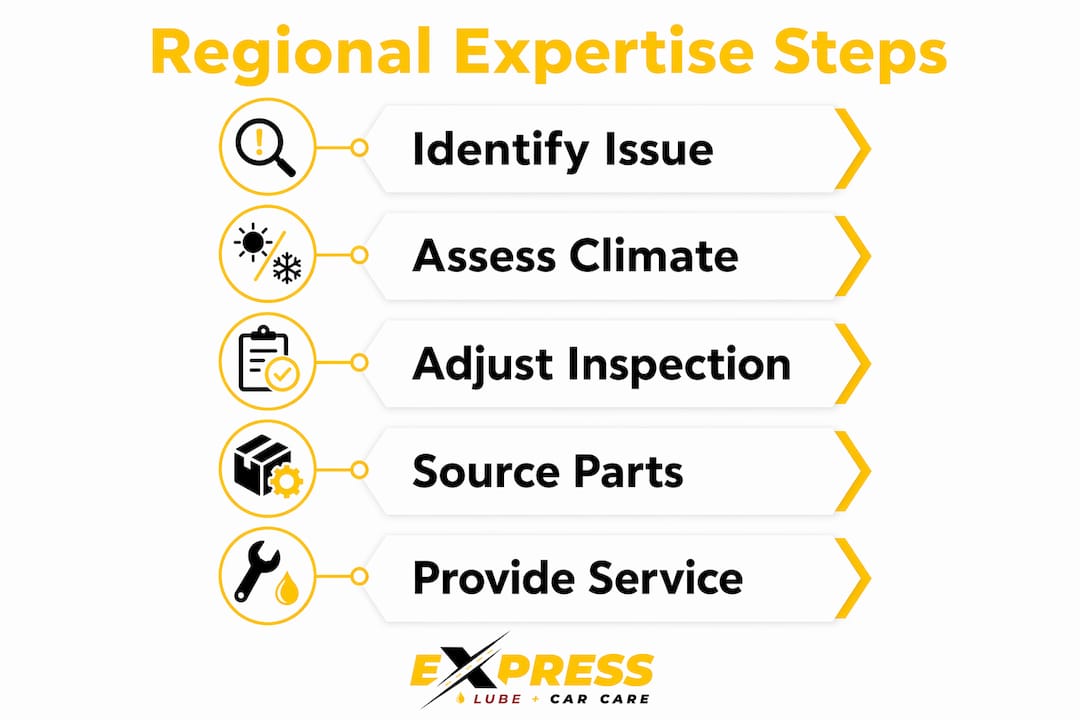
The core reason is repetition. A local shop in a high-heat corridor like the Inland Empire of California or the DFW Metroplex sees cooling system failures and battery degradation at a rate that a national chain rotating technicians every 18 months simply cannot match. That volume of similar cases builds genuine pattern recognition, and pattern recognition is what separates a fast, accurate diagnosis from an expensive guessing game.
Incentive structure plays a role too. Independent shops are built on repeat business over many years, which pushes them toward conservative, safety-first recommendations. Many chain shops, by contrast, use compensation tied to add-on sales, which can push techs toward recommending services you may not need. Independent shops are often cheaper on comparable repair work, partly because they are not padding revenue with upsells.
Operational flexibility matters just as much. A local shop can adjust its inspection checklist for your specific driving conditions, extend a service interval when your commute is mostly highway miles, or tighten one when you spend most of your time in stop-and-go traffic. Chain shops typically follow corporate service menus that do not bend for local context.
Pro Tip: When you call a new shop, ask: “What are the most common repairs you see in this area?” A shop with real local knowledge will answer immediately and specifically. Vague answers like “the usual stuff” are a signal the shop is not paying attention to regional patterns.
How vehicle history and personalized service protect your car and wallet
Think of a local mechanic who knows your car the way a family doctor knows a long-term patient. Consistent records of past repairs, fluid changes, and recurring symptoms let a tech connect dots that a first-time shop cannot. If your cooling system was serviced 18 months ago and you are back with an overheating complaint, a mechanic with your history knows whether to look at the thermostat, the water pump, or a slow coolant leak, rather than starting from scratch.
That history changes the decisions made on your behalf. A shop that knows your car’s weak points can stage repairs logically, handling the safety-critical items first and scheduling the plan-able ones for a future visit when your budget allows. It also means fewer redundant diagnostic fees, because the tech is not re-learning your car every visit.
Owner benefits that come directly from this continuity:
- Lower long-term costs. Staged repairs and proactive maintenance prevent the expensive cascade failures that happen when small problems go unnoticed.
- Reduced downtime. A shop familiar with your car can often diagnose and repair faster because they already know the vehicle’s history and quirks.
- Higher reliability. Preventive replacements scheduled around your actual driving patterns keep you on the road instead of waiting for a tow.
Consider a straightforward example: a driver brings in a car with an intermittent stall. A shop with two years of service records notices the car had a fuel injector cleaning 14 months ago and a mass airflow sensor replaced before that. That context points the tech directly toward the throttle body, saving the owner from a full diagnostic sweep and two unnecessary parts replacements.
What regional factors actually change your maintenance needs
Your zip code shapes your car’s wear patterns more than most owners realize. Here are the major environmental and usage factors that local mechanics track, and what each one accelerates:
- Ambient heat. High temperatures accelerate battery chemical breakdown and evaporate battery fluid. Heat is the bigger battery killer, not cold, and a battery damaged all summer often fails on the first cool morning. Cooling systems face similar stress.
- Cold cycles and road salt. States like Michigan combine freeze-thaw cycles with heavy road salt, which accelerates brake rotor corrosion, undercarriage rust, and suspension component wear.
- Humidity and coastal exposure. Salt air near coastlines corrodes electrical connectors, exhaust components, and brake hardware faster than inland conditions.
- Altitude. High-altitude driving changes air-fuel mixture demands and can stress turbochargers and cooling systems differently than sea-level operation.
- Road surface and potholes. Rough pavement accelerates tire wear, throws off wheel alignment, and stresses ball joints and control arm bushings.
- Stop-and-go commuter traffic. Short trips in heavy traffic stress brakes, transmissions, and cooling systems more than highway miles.
Local shops in affected areas adapt their inspection checklists accordingly. In Chino, CA, for example, shops check cooling systems and batteries earlier in the season because of high summer temperatures and heavy commuting loads. During Oklahoma heat waves, mechanics have been documented shifting their hours and prioritizing battery and cooling inspections as the first order of business each morning. In Michigan, a shop that has served the same community for decades knows to check brake hardware and undercarriage corrosion every fall before salt season begins.
| Regional factor | Primary failure risk | How local shops adapt |
|---|---|---|
| Extreme heat (Southwest, DFW) | Battery failure, coolant loss, AC strain | Earlier battery tests, coolant checks, AC diagnostics |
| Road salt (Midwest, Northeast) | Brake corrosion, undercarriage rust | Fall undercarriage inspections, brake hardware checks |
| Coastal humidity | Electrical connector corrosion, exhaust wear | Corrosion-focused visual inspections |
| Heavy stop-and-go traffic | Brake wear, transmission stress | Shorter brake and fluid service intervals |
| High altitude | Air-fuel mixture issues, cooling stress | Fuel system and cooling checks on affected models |
How local mechanics handle state emissions and inspection rules
State emissions and inspection requirements are not uniform. California’s Bureau of Automotive Repair enforces smog check procedures that include OBD-II readiness monitor checks, EVAP system leak tests, and tailpipe emissions measurements. Texas has its own annual safety and emissions inspection program with different thresholds and testing equipment. A mechanic who preps vehicles for your state’s test every week knows which readiness monitors need to complete their drive cycles, which EVAP codes will cause an immediate failure, and which catalytic converter conditions fall inside or outside the legal threshold.
That familiarity saves you money. A shop that does not know your state’s specific OBD-II readiness requirements might clear a check-engine light and send you to the test station before the monitors have reset, guaranteeing a failed inspection and a second trip. A locally experienced shop runs through a pre-test checklist first.
What you should expect a prepared shop to do before your inspection:
- Confirm all OBD-II readiness monitors have completed their drive cycles.
- Check for pending codes that would not trigger a warning light but would still fail the test.
- Verify EVAP system integrity if your state tests for it.
- Document any recent repairs that might affect emissions results.
- Advise you on the correct drive cycle to complete if monitors are still incomplete.
For official standards in your state, consult your state’s vehicle or emissions authority directly. The California Bureau of Automotive Repair (BAR) is one example of a primary source for smog check rules and consumer rights.
How local shops source parts and specialize for your area’s vehicles
Local shops build supplier relationships that national chains often cannot match. A regional parts network gives a shop faster access to hard-to-find components for older vehicles, aftermarket alternatives when OEM parts have long lead times, and salvage options when appropriate. For a 12-year-old pickup truck with a discontinued part, that supplier network can be the difference between a two-day repair and a two-week wait.
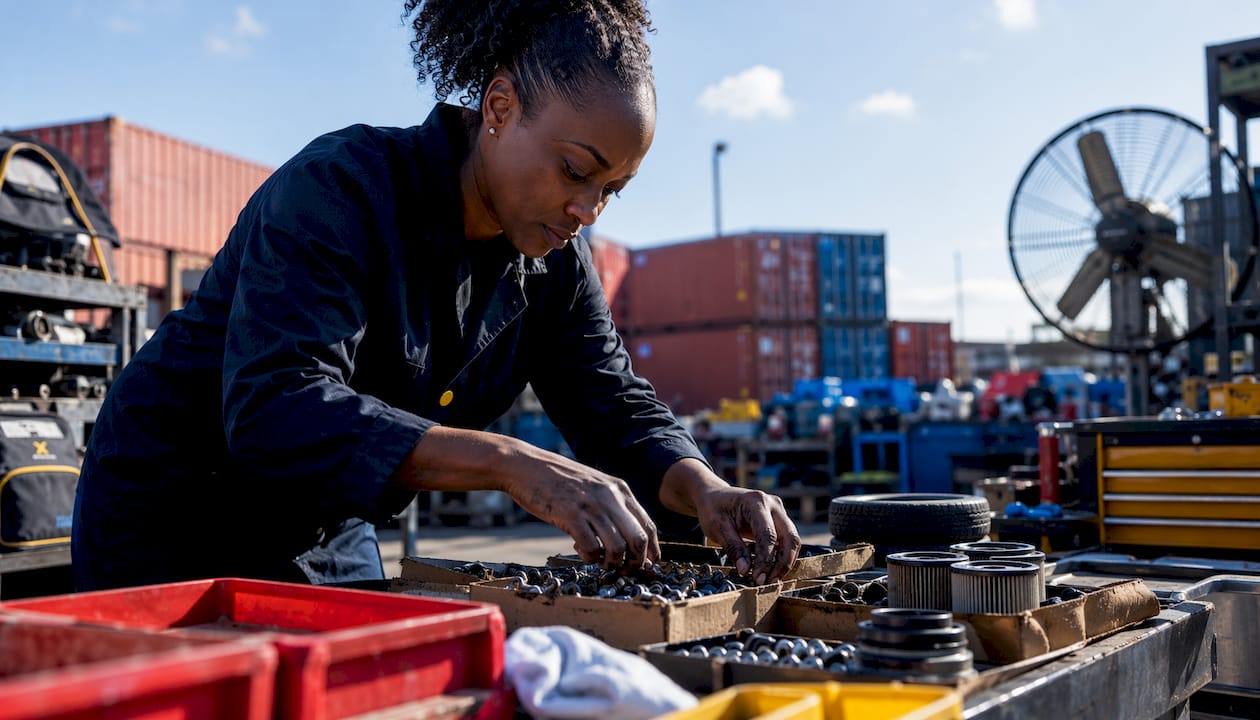
Specialization follows the local vehicle fleet. In the DFW area, that means heavy-duty pickups, SUVs, and high-mileage commuter sedans. A shop that services those vehicles daily develops concentrated experience with their specific failure points, common part substitutions, and model-specific quirks that a generalist shop rotating through every make and model cannot develop as quickly.
Owners also benefit from pricing flexibility. Local shops can negotiate parts costs with regional suppliers, pass cash discounts along, and turn around common repairs faster because the parts are already on the shelf or available same-day from a nearby supplier.
How to choose the right local mechanic for your area
Use this checklist when evaluating a shop for the first time:
- Verify ASE-certified technicians. ASE certification confirms a tech has passed standardized competency tests. Ask specifically which techs are certified and in which areas.
- Check for RepairPal or similar recognition. RepairPal-certified shops meet standards for fair pricing, qualified technicians, and customer satisfaction. Use it as a starting filter, not the only one.
- Ask for a written estimate before any work begins. A shop that will not commit to a written estimate is a red flag. Verbal quotes are not binding.
- Look for digital vehicle inspections. Shops that send photos or videos of identified issues give you verifiable evidence of what needs attention, not just a list of charges.
- Ask about warranty terms. Some independent shops offer 3-year/36,000-mile warranties on parts and labor, comparable to or better than dealership terms.
- Ask the right questions at the counter. Try: “What local issues do you see most often?” and “Do you keep a digital record of my vehicle’s service history?” A shop with real regional expertise answers the first question without hesitation.
- Watch for red flags. Hard upsell pressure on the first visit, unwillingness to explain a diagnosis in plain language, no consistent tech contact, and no written estimate are all warning signs. You can read more about avoiding upsell tactics before your next visit.
For common regional repairs, expect diagnostic fees in the range of $75–$150 depending on complexity, with most routine maintenance completed same-day. Shops with strong local supplier networks typically turn around parts-dependent repairs faster than shops relying on national distribution.
Pro Tip: Use Consumer Reports’ shop-search guidance and RepairPal to build a short list, then call each shop and ask one specific regional question. The quality of the answer tells you more than any online rating.
How certified local mechanics use regional knowledge proactively
The most experienced local shops do not wait for a symptom to appear. They use regional knowledge to schedule preventive inspections before the conditions that cause failures arrive.
“The best way to establish a relationship with an independent repair shop is to use one regularly for routine maintenance items, giving the technicians a chance to get to know your car, its maintenance schedule, and the potential problems that may be developing. That will also help minimize the inconvenience and expense of surprise repairs.” — Consumer Reports
That proactive posture is a direct result of the repeat-customer model. A shop whose revenue depends on you coming back in six months has a strong incentive to catch a developing problem now rather than let it become an emergency later. Practical examples of what this looks like:
- Scheduling battery load tests in May or June, before peak heat arrives, rather than waiting for a no-start call in August.
- Pulling a cooling system pressure test at the spring oil change for vehicles with high mileage or older coolant.
- Flagging brake hardware for corrosion inspection every fall in salt-affected regions, before winter driving begins.
Express Lube & Car Care brings this proactive approach to the DFW area with ASE-certified technicians, RepairPal certification, and digital vehicle inspections that document findings with photos so you can see exactly what the tech sees. No-appointment-required visits mean you can act on a concern before it becomes a breakdown.
Key Takeaways
Local mechanics outperform generic shops because repeated exposure to your area’s climate, roads, and regulations builds the pattern recognition that produces faster diagnoses, fewer unnecessary repairs, and maintenance schedules tailored to how you actually drive.
| Point | Details |
|---|---|
| Pattern recognition from repetition | Daily exposure to local failure modes lets mechanics diagnose faster and more accurately than rotating chain techs. |
| Vehicle history advantage | Consistent service records reveal recurring symptoms and past weak points, reducing redundant diagnostic costs. |
| Regional factors drive maintenance | Heat, road salt, altitude, and traffic patterns each accelerate specific failures; local shops adapt inspection checklists accordingly. |
| Verify credentials before you commit | Ask for ASE certification, RepairPal recognition, written estimates, and warranty terms on every first visit. |
| Express Lube & Car Care | ASE-certified, RepairPal-recognized shop in the DFW area offering digital inspections and no-appointment-required service. |
Why Express Lube & Car Care emphasizes regional knowledge
At Express Lube & Car Care, we have built our service model around the reality that DFW driving conditions, heat, highway miles, and heavy commuter traffic demand a different maintenance approach than a one-size-fits-all corporate checklist. Our ASE-certified technicians track the failure patterns specific to this region, and our RepairPal certification means our pricing and quality standards are independently verified. We keep digital records of your vehicle’s service history so every visit builds on the last one, not starting from zero. If you want a practical next step, our local mechanic selection guide walks you through exactly what to look for in a shop that knows your area.
Express Lube & Car Care: regional expertise you can count on in DFW
Drivers in the DFW area deal with summer heat that kills batteries, highway miles that stress cooling systems, and an annual state inspection process that requires OBD-II readiness. Express Lube & Car Care is built for exactly those conditions. ASE-certified technicians handle everything from fast oil changes to full diagnostics, with no appointment needed and transparent written estimates before any work begins. RepairPal certification backs the pricing and quality standards independently.
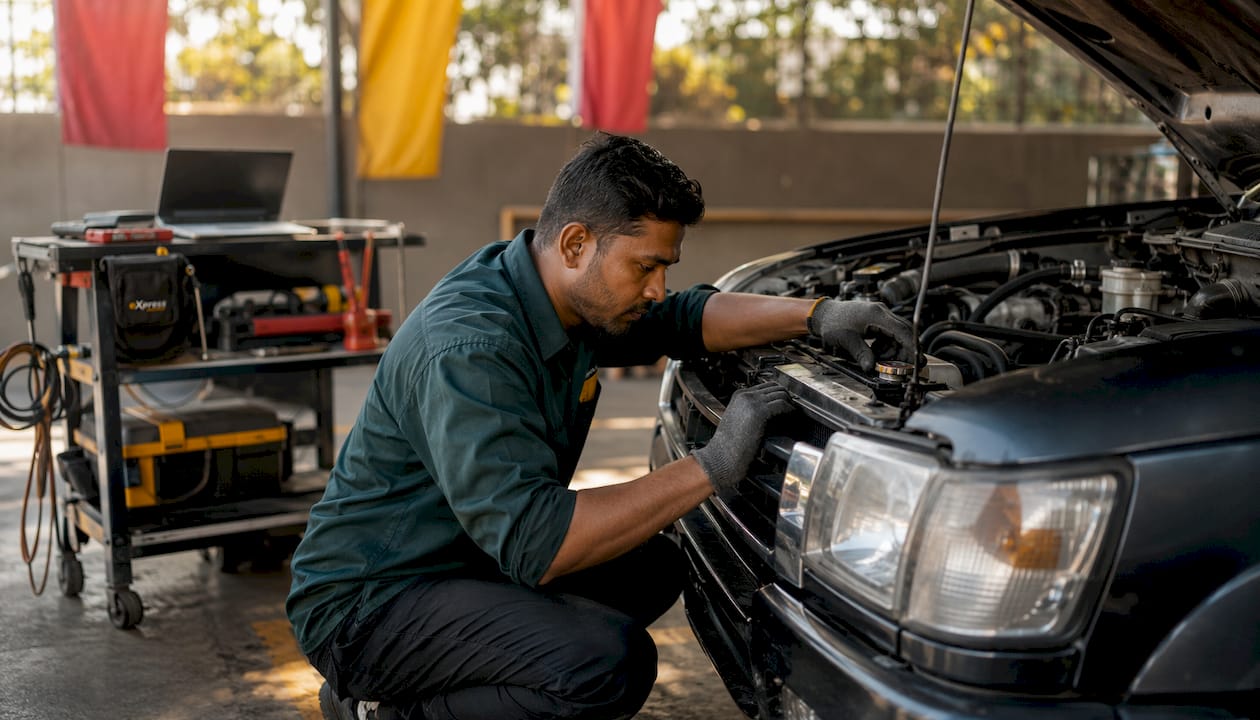
Digital vehicle inspections give you photo documentation of every finding, so you know what is being recommended and why. Warranty terms on parts and labor give you confidence the repair is done right. Whether you need a quick maintenance visit or a more involved repair, you can schedule your inspection online or walk in today. If repair costs are a concern, financing options are available to help you manage the expense without delaying a necessary fix.
Useful sources and further reading
- California Bureau of Automotive Repair (BAR) — The primary state authority for smog check rules, consumer rights, and licensed shop verification in California. Consult this for official emissions standards and test procedures.
- ASE (National Institute for Automotive Service Excellence) — Background on what ASE certification requires and how to verify a technician’s credentials before trusting a shop.
- Consumer Reports Car Repair Shop Guide — Survey-based ratings of independent shops, chains, and dealerships across 12 service attributes, including honesty, pricing, and warranty.
- RepairPal — Search tool for certified shops and fair-price estimates by repair type and zip code.
- Express Lube & Car Care: Local Auto Shop Advantage — Explains the community-based advantages of repeat-customer shops and what owners should expect from a locally experienced mechanic.
- Express Lube & Car Care: Reliable Auto Shop Qualities — A practical list of nine traits that distinguish trustworthy shops from unreliable ones, useful when evaluating a new shop for the first time.
- Express Lube & Car Care: Car Repair Priority Guide — Helps owners separate urgent safety repairs from plan-able maintenance, so you can make informed decisions without pressure.
FAQ
Are local mechanics better than dealerships for most repairs?
For the majority of maintenance and repairs not covered by a factory warranty, independent local shops typically offer lower labor rates and more personalized service, and Consumer Reports survey data shows independent shops earn the highest customer satisfaction ratings across honesty, price, and quality.
What are the red flags of a bad mechanic?
Watch for hard upsell pressure on a first visit, refusal to provide a written estimate, vague explanations of what is wrong, and no consistent technician contact. A shop that clears a check-engine light without completing OBD-II readiness monitors before an inspection is another clear warning sign.
What are the 3 C’s of mechanics?
The 3 C’s refer to Complaint (what the customer reports), Cause (what the technician diagnoses as the root problem), and Correction (the repair performed). Shops that document all three on a repair order give you a clear, traceable record of every service visit.
What is the 30-60-90 rule for cars?
The 30-60-90 rule is a general maintenance framework suggesting regular service milestones covering items like air filters, spark plugs, transmission fluid, and coolant. Your actual intervals may differ based on your manufacturer’s schedule and your regional driving conditions, so confirm with your mechanic.
How does Express Lube & Car Care handle regional issues in DFW?
Express Lube & Car Care uses ASE-certified technicians familiar with DFW heat, highway driving patterns, and Texas inspection requirements, backed by RepairPal certification and digital vehicle inspections that document findings with photos for full transparency.