

Managing multi-vehicle oil change intervals is defined as the practice of tracking and scheduling oil changes across two or more vehicles using individual mileage, time, and driving condition triggers for each car. Without a system, it’s easy to let one vehicle slip past its service window while you’re focused on another. The good news is that the right approach is straightforward. You don’t need a fleet management degree. You need a clear method, the right tools, and an understanding of what your manufacturer actually recommends, not what a sticker on your windshield says.
What are the recommended oil change intervals for modern vehicles?
Modern oil change intervals have changed significantly from the old “every 3,000 miles” rule. Synthetic oil intervals now typically run 7,500–10,000 miles or up to 12 months, with some vehicles reaching 15,000 miles. Following updated intervals instead of the outdated 3,000-mile rule can save you $600 over 30,000 miles. That’s real money, especially when you’re maintaining two, three, or four vehicles.
The interval that applies to your car depends on three factors: oil type, vehicle design, and how you drive.
- Synthetic oil: 7,500–10,000 miles or 12 months, whichever comes first
- Conventional oil: 3,000–5,000 miles or 6 months, whichever comes first
- Severe-duty driving: Shorter intervals apply. Frequent short trips under 5 miles, towing, extreme heat, or dusty conditions all qualify as severe duty.
- Low-mileage vehicles: Time triggers matter even if you barely drive. Oil degrades chemically over time, regardless of miles.
- Manufacturer manual: This is the definitive source for your specific vehicle. It overrides any sticker, app default, or general advice.
The phrase “severe duty” is the industry term for driving conditions that accelerate oil breakdown. Many drivers don’t realize their daily commute qualifies. Short trips that never fully warm the engine are a textbook example.
Pro Tip: If you’re unsure whether your driving qualifies as severe duty, check your owner’s manual. Most manufacturers list specific conditions that trigger the shorter interval schedule.
How can you track and schedule oil changes for multiple vehicles?
A centralized tracking system is the most reliable way to manage oil change scheduling across multiple cars. Without one, you’re relying on memory, and memory fails. Automated tracking systems use thresholds like 500 miles remaining or 10% oil life left to trigger alerts before a service is overdue. That proactive buffer is what separates a well-maintained fleet from a reactive one.
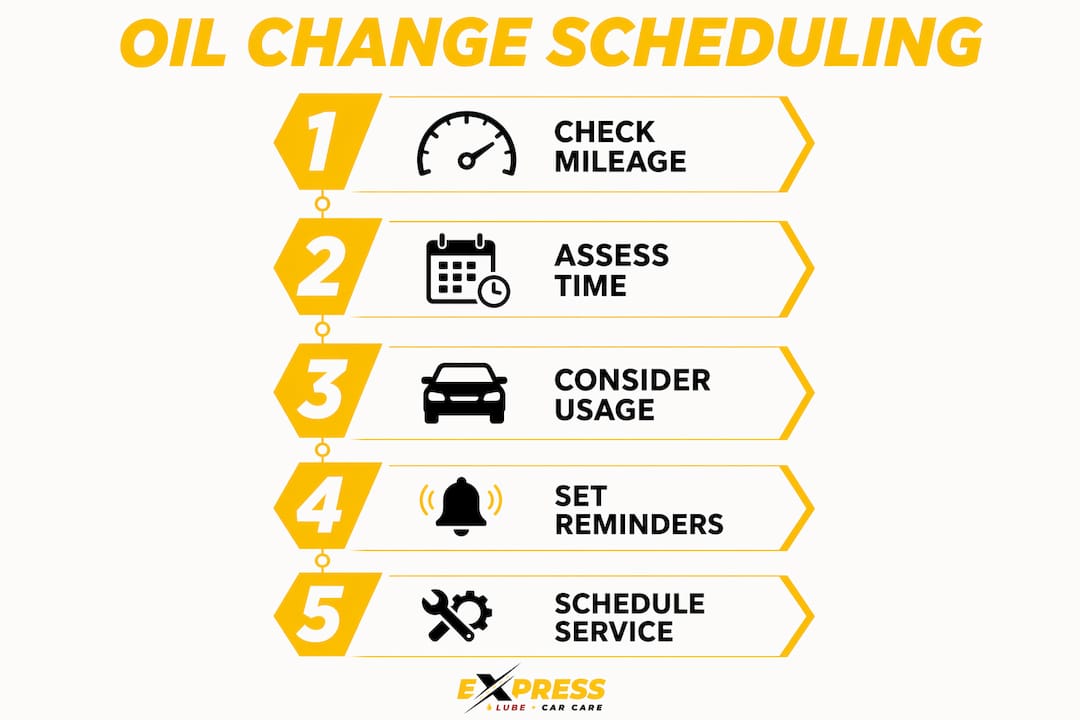
Here’s a practical setup process for multi-vehicle owners:
- List every vehicle with its current mileage and last service date. This is your baseline. You can’t schedule forward without knowing where each car stands today.
- Record the oil type and manufacturer interval for each vehicle. A family SUV on synthetic and a work truck on conventional have different schedules. Treat them separately.
- Choose a tracking method. A dedicated vehicle maintenance app, a shared spreadsheet, or a physical logbook all work. The key is consistency, not the tool itself.
- Set dual triggers for each vehicle. Mileage and time. Whichever comes first wins. This is the first-to-occur rule, and it prevents oil degradation in cars that sit more than they drive.
- Review all vehicles on the same day each month. A monthly check-in takes five minutes and catches anything approaching its window.
Apps like Simply Auto, Drivvo, and Carfax Car Care support multiple vehicles with customized reminders per oil type and interval. These tools let you set different parameters for each car, which is exactly what multi-vehicle care requires.
| Tracking method | Best for | Key limitation |
|---|---|---|
| Dedicated vehicle app | Owners wanting automated alerts | Requires consistent mileage input |
| Shared spreadsheet | Owners who prefer manual control | No automatic reminders |
| Physical logbook | Backup or older vehicle owners | Easy to forget or misplace |
| Oil-life monitor (built-in) | Modern vehicles with OBD systems | Should not replace manufacturer intervals |
Pro Tip: Automated scheduling systems can stagger service dates so you’re not taking multiple vehicles in during the same week. This keeps your routine manageable and your budget predictable.
What maintenance best practices support good oil change scheduling?
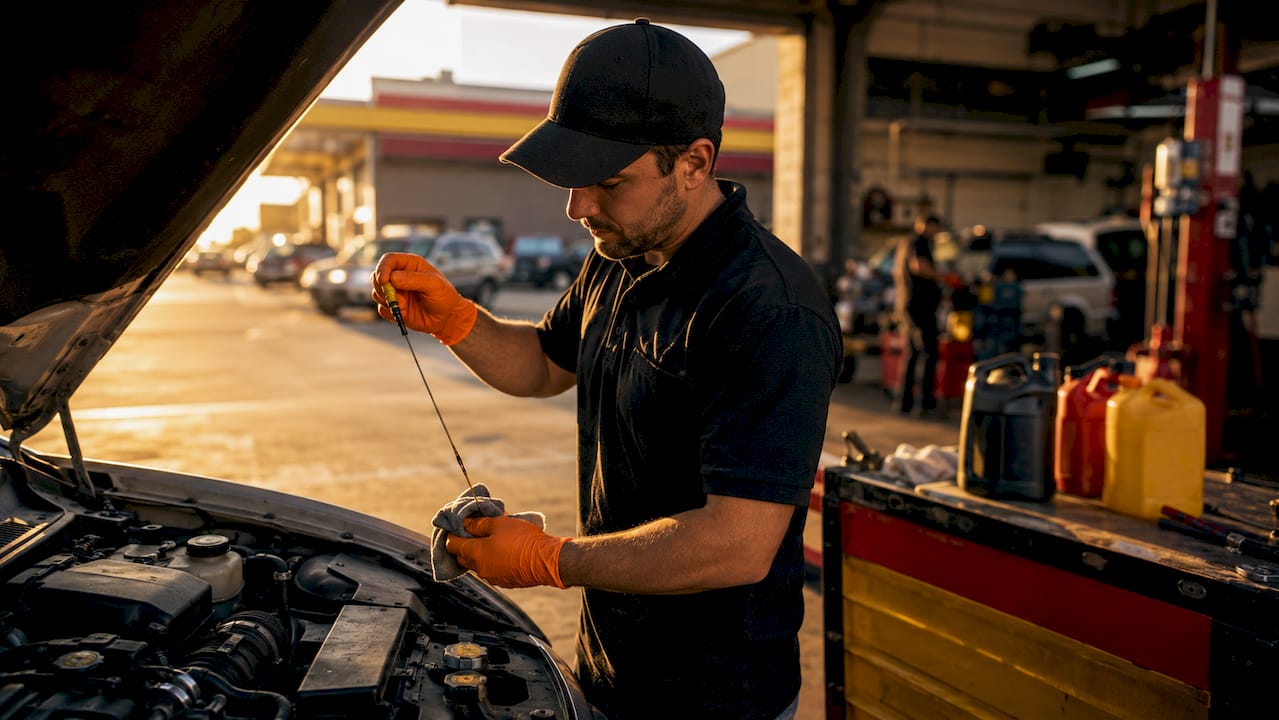
Consistent habits between oil changes protect your engine and give you early warning when something is wrong. Monthly oil level checks combined with quarterly detailed inspections are the industry standard for preventing costly repairs. Monthly checks take two minutes per vehicle. Quarterly checks add filters, belts, battery terminals, and fluid levels to the list.
Here’s what a practical inspection rhythm looks like across multiple vehicles:
- At every fuel fill-up: Glance at the dashboard for warning lights. Note any unusual sounds or smells.
- Monthly: Check oil level and color on the dipstick. Top off if needed. Inspect tire pressure and look for visible leaks under each vehicle.
- Quarterly: Inspect air filter, cabin filter, coolant level, brake fluid, and battery connections. Check belts for cracking or fraying.
- Seasonally: Adjust your schedule for summer heat or winter cold. Both extremes affect oil viscosity and battery performance.
Relying on a quick-lube sticker as your only reminder is one of the most common mistakes multi-vehicle owners make. Manufacturer manuals and digital logs are the reliable sources for service accuracy and warranty compliance. A sticker reflects the shop’s default interval, not your vehicle’s actual needs.
Seasonal adjustments matter more than most drivers realize. A vehicle used primarily for summer road trips accumulates miles fast. A second car that sits through winter may hit its time trigger before its mileage trigger. Both scenarios require different responses, and a good auto repair checklist helps you stay on top of both.
How to customize oil change intervals for each vehicle
Every vehicle in your driveway has its own profile. Customizing intervals per vehicle is what separates a real maintenance plan from a generic reminder. Severe-duty conditions can shorten recommended intervals by 20–25%. That’s a meaningful difference if you’re towing a trailer with one truck and using another car only for weekend errands.
Follow these steps to build a custom interval for each vehicle:
- Pull the owner’s manual for each car. Find both the standard and severe-duty interval recommendations.
- Identify which driving profile applies. Short daily trips, highway commuting, towing, and off-road use each affect oil life differently.
- Apply the first-to-occur rule. Set your trigger at whichever comes first: the mileage limit or the time limit.
- Log every service with the date, mileage, oil type, and filter brand. This record protects your warranty and helps you spot patterns over time.
- Reassess every six months. Driving habits change. A car used for a long commute one year may sit mostly idle the next.
| Vehicle type | Typical interval | Severe-duty adjustment |
|---|---|---|
| Daily commuter, synthetic oil | 7,500–10,000 miles or 12 months | 5,000–7,500 miles or 6 months |
| Weekend-only vehicle | 12 months regardless of mileage | 6 months if conditions apply |
| Towing or work truck | 5,000–7,500 miles or 6 months | 3,000–5,000 miles or 3 months |
| High-mileage vehicle | Follow manufacturer guidance | Shorten by one interval tier |
Using only mileage or only time as your trigger leads to over- or under-maintenance. A balanced approach that considers both, plus driving conditions, gives each vehicle the protection it actually needs. For a deeper look at how interval triggers differ by vehicle type, the fleet oil change interval guide from Express Lube & Car Care breaks this down clearly.
Key Takeaways
The most reliable way to manage oil changes across multiple vehicles is to apply the first-to-occur rule per vehicle, use a centralized tracking system, and follow manufacturer intervals rather than sticker reminders.
| Point | Details |
|---|---|
| Follow manufacturer intervals | Synthetic oil typically runs 7,500–10,000 miles or 12 months, not the outdated 3,000-mile rule. |
| Apply the first-to-occur rule | Change oil at whichever comes first: mileage or time, especially for low-use vehicles. |
| Use a centralized tracking system | Apps, spreadsheets, or logbooks with dual triggers prevent missed services across multiple cars. |
| Adjust for severe-duty conditions | Towing, short trips, and extreme heat can shorten intervals by 20–25% per vehicle. |
| Never rely on sticker reminders alone | Manufacturer manuals and digital service logs are the accurate, warranty-compliant sources. |
What we’ve learned from managing multiple vehicles at once
At Express Lube & Car Care, we see the same pattern repeatedly. Drivers come in with one car perfectly maintained and another that’s 4,000 miles past its service window. It’s not negligence. It’s the natural result of tracking multiple vehicles without a system.
The drivers who do this well share one habit: they treat maintenance as a scheduled appointment, not a reaction to a warning light. They don’t wait for the oil pressure light. They don’t rely on memory. They have a log, they check it, and they act before the window closes. That habit alone prevents breakdowns more reliably than any single product or service.
The other thing worth saying plainly: oil-life monitors are useful, but they are not a substitute for your owner’s manual. We’ve seen vehicles where the monitor said “OK” and the oil was well past its time-based limit. The monitor measures driving conditions, not calendar time. Your manual accounts for both.
The cheapest repair is always the one you prevent. That’s not a slogan. It’s the math of proactive maintenance versus reactive repair, and the gap in cost is significant. Build the habit now, and your vehicles will reward you with fewer surprises and longer service life.
— Express Lube & Car Care
Oil change services for multiple vehicles at Express Lube & Car Care
Express Lube & Car Care makes it straightforward to keep every vehicle in your household on schedule. ASE-certified technicians handle oil changes using the oil type and interval your manufacturer specifies, not a one-size-fits-all default. No appointment is needed, and turnaround is fast, so you can bring in one car this week and another next week without disrupting your routine.
Every visit includes a service record you can use for warranty documentation and future scheduling. If you’re managing two or more vehicles, the team at Express Lube & Car Care can help you build a realistic service calendar for each one. Visit the oil change and auto repair page to see current services, or stop by the Haltom City location any day without an appointment. Keeping your vehicles maintained doesn’t have to be complicated when you have a reliable shop behind you.
FAQ
What is the recommended oil change interval for modern vehicles?
Modern vehicles using synthetic oil typically require oil changes every 7,500–10,000 miles or 12 months, whichever comes first. Always check your owner’s manual for the exact interval your vehicle requires.
How do I track oil changes for multiple vehicles?
Use a dedicated vehicle maintenance app, a shared spreadsheet, or a physical logbook with separate entries for each vehicle. Set both mileage and time triggers for every car so neither trigger gets overlooked.
What is the first-to-occur rule for oil changes?
The first-to-occur rule means you change the oil at whichever limit arrives first: mileage or time. This prevents oil degradation in vehicles that are driven infrequently but still accumulate calendar time.
Does severe-duty driving really shorten oil change intervals?
Yes. Severe-duty conditions like frequent short trips, towing, or extreme heat can shorten your recommended interval by 20–25%. Check your owner’s manual for the severe-duty schedule specific to your vehicle.
Can I rely on the sticker from a quick-lube shop to track my oil changes?
No. Quick-lube stickers reflect the shop’s default interval, not your vehicle’s manufacturer recommendation. Maintain your own digital or physical service log for accurate tracking and warranty compliance.