

Car maintenance without losing productivity is defined as integrating preventive vehicle care into your existing schedule so that upkeep never costs you more time than neglect would. Consistent preventive maintenance runs $700–$1,200 per year, while reactive repairs average $3,000–$5,000 per incident. That gap is not just a financial argument. It is a time argument. Every breakdown, tow, and emergency shop visit pulls hours from your workday that a 15-minute oil change never would. The strategies in this guide are built for busy drivers who need their vehicle reliable and their calendar intact.
Which car maintenance tasks are quick yet critical for busy drivers?
Efficient car upkeep starts with knowing which tasks deliver the most protection in the least time. Not every maintenance job demands a full Saturday morning. Several of the most protective checks take under five minutes and require no tools at all.
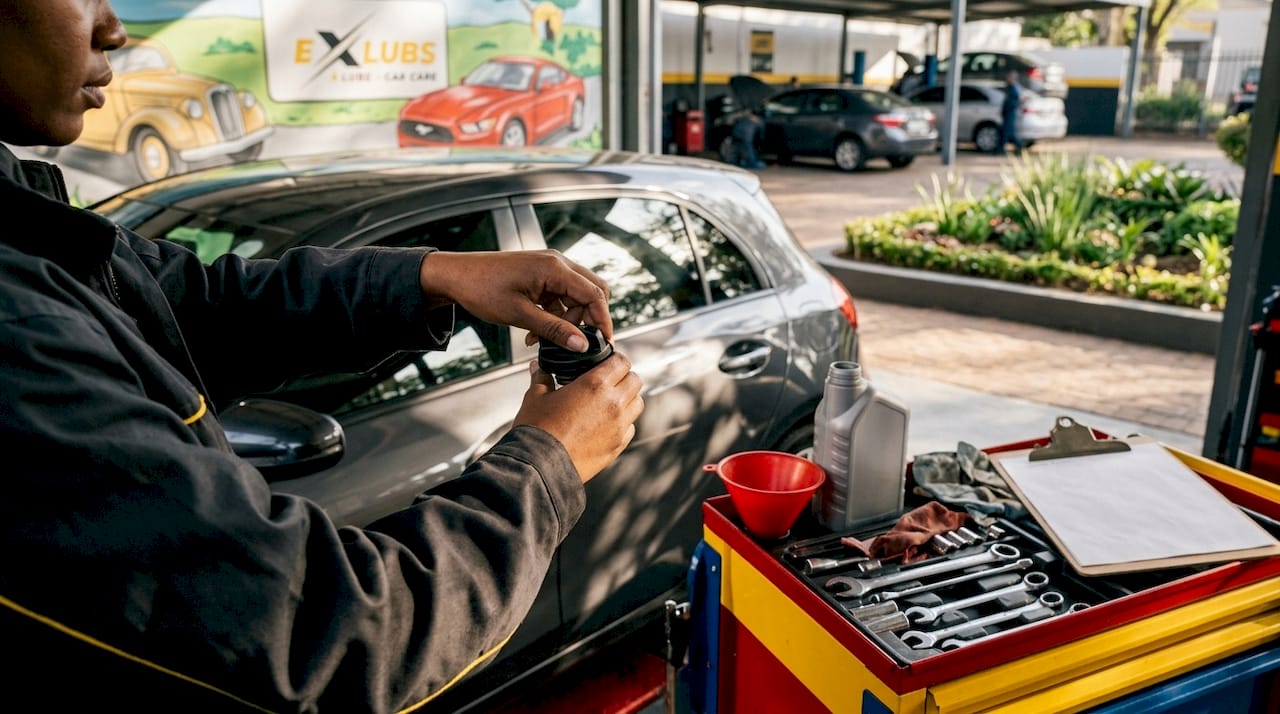
Thirty percent of drivers never perform basic road-ready vehicle checks, even though the FORCES method takes under five minutes and can prevent a breakdown. FORCES stands for Fuel, Oil, Rubber, Coolant, Electrics, and Screen wash. Running through this checklist before a long drive or once a week catches the problems that strand drivers on the side of the road.
The highest-impact quick tasks for busy drivers are:
- Oil level check: Low oil is one of the fastest ways to cause serious engine damage. Checking takes 90 seconds with the dipstick.
- Tire pressure: Underinflated tires reduce fuel efficiency and increase blowout risk. A pressure gauge check takes two minutes.
- Coolant level: An overheating engine can leave you stranded mid-commute. Check the reservoir when the engine is cold.
- Wiper blades and washer fluid: Poor visibility is a safety issue. Replacing wipers takes under five minutes and costs under $20.
- Battery terminals: Corroded terminals cause no-start situations. A quick visual check takes seconds.
Pro Tip: Set a recurring five-minute FORCES check on your phone every sunday evening. You will catch small problems before they become Monday morning emergencies.
These time-saving car care habits do not require mechanical skill. They require consistency. Drivers who build this routine into their week spend far less time dealing with unexpected repairs.
How do digital tools and structured scheduling cut vehicle downtime?
Structured maintenance workflows reduce vehicle downtime by 45% when paired with digital tools and planned scheduling. That figure comes from fleet management research, but the principle applies directly to individual drivers. Planning beats reacting every time.
The practical approach for a busy professional looks like this:
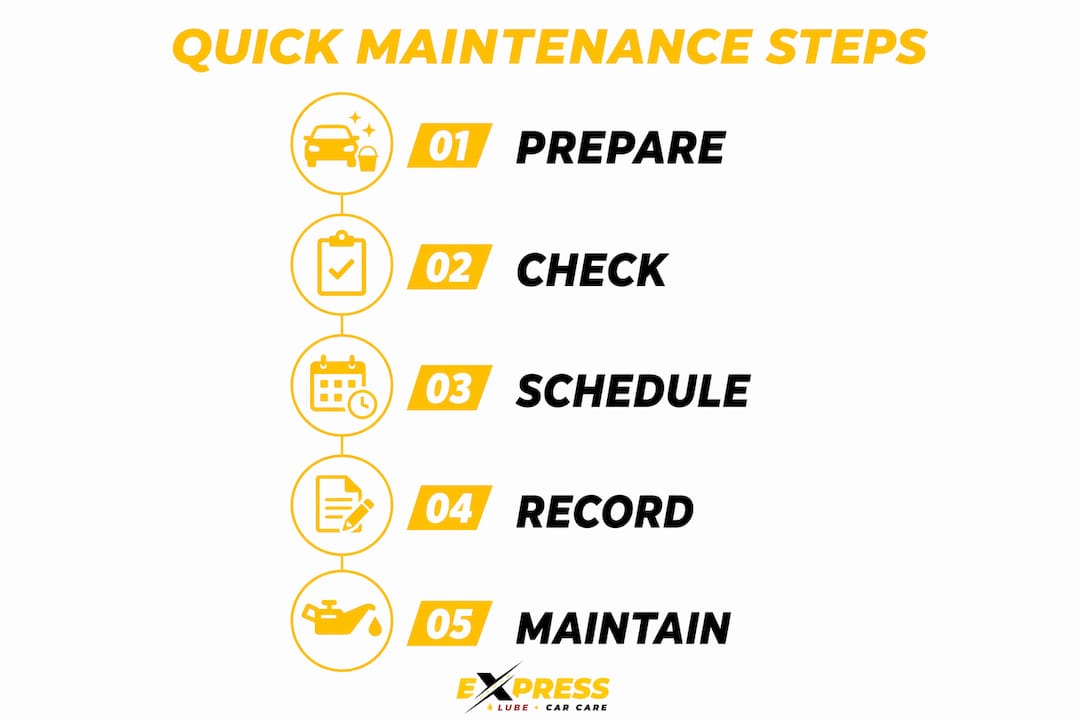
- Create a digital maintenance log. Use a notes app, a spreadsheet, or a dedicated vehicle app to record every service date, mileage, and cost. This log prevents duplicate work and flags upcoming service intervals before they become urgent.
- Set calendar reminders tied to mileage. Most vehicles need an oil change every 5,000–7,500 miles. Set a phone reminder at 4,500 miles so you schedule the appointment on your terms, not in a panic.
- Time-block service appointments like meetings. Treat a 30-minute express oil change the same way you treat a client call. Block it on your calendar, pick a low-demand time slot, and protect it.
- Use no-appointment service providers. Shops that accept walk-ins give you flexibility. You can drop in during a lunch break or between calls without committing to a fixed appointment weeks in advance.
- Batch related tasks. If your tires need rotation, check whether your air filter is due at the same mileage interval. Combining services in one visit saves a separate trip entirely.
Pro Tip: Sync your vehicle’s next service date to your work calendar as a recurring event. Treat it as non-negotiable, the same way you would a performance review.
Keeping a digital log for all services, including receipts, also protects your warranty and speeds up professional service visits. A technician who can see your full service history diagnoses problems faster and avoids repeating work you have already paid for.
What DIY car maintenance can save time and money safely?
DIY maintenance is the right call for a specific set of tasks. For others, attempting it yourself costs more time than it saves and introduces safety risk. Knowing the line between the two is the real skill.
Safe and beginner-friendly DIY tasks
DIY tasks like oil filter replacement and battery terminal cleaning save money and fit busy schedules without requiring specialized equipment. The following tasks are genuinely manageable for most drivers:
- Air filter replacement: Takes 10 minutes, costs $15–$25 in parts, and improves engine breathing and fuel efficiency.
- Wiper blade replacement: Takes five minutes and requires no tools beyond the new blades.
- Battery terminal cleaning: A wire brush and baking soda solution remove corrosion in under 10 minutes.
- Cabin air filter replacement: Usually accessible behind the glove box. Takes 10 minutes and improves air quality inside the car.
- Tire pressure adjustment: A portable inflator plugs into your 12V outlet and costs under $30.
When to hand it off to a professional
| Task | DIY Feasibility | Reason to Use a Pro |
|---|---|---|
| Oil change | Possible but messy | Express shops are faster and handle disposal |
| Brake pad replacement | Not recommended | Safety-critical; requires torque specs and inspection |
| Transmission service | No | Requires specialized fluid and equipment |
| Timing belt replacement | No | Incorrect installation causes catastrophic engine failure |
| Wheel alignment | No | Requires alignment rack; cannot be done by hand |
The table above is not about skill level. It is about risk and time. Brake work done incorrectly does not just waste your afternoon. It puts you and others in danger. For anything touching your braking or steering system, a certified technician is the only reasonable choice.
Regular maintenance also directly improves fuel efficiency and protects resale value. Every DIY task you complete correctly contributes to both.
How do you choose a service provider that fits a busy schedule?
The right auto shop does not just fix your car. It respects your time. Independent technicians offer faster turnaround and lower costs for routine maintenance compared to dealerships, without sacrificing quality.
When evaluating a shop for productivity-friendly auto repairs, look for these factors:
- No appointment required: Walk-in availability means you control the timing, not the shop’s booking calendar.
- ASE-certified technicians: ASE certification is the industry standard for technician competency. It means the person working on your car has passed verified skill assessments.
- Transparent pricing: A shop that posts its prices or gives you a written estimate before starting work saves you the time and stress of billing surprises.
- RepairPal certification: RepairPal-certified shops meet standards for fair pricing and quality, giving you a reliable benchmark when comparing options.
- Fast turnaround: An express oil change should take 15–30 minutes. If a shop cannot commit to that for routine work, it is not built for busy drivers.
Express Lube & Car Care in the DFW area meets all of these criteria. ASE-certified technicians, RepairPal certification, no-appointment-required visits, and transparent pricing make it a practical choice for drivers who cannot afford to lose half a day to a routine service. You can read more about choosing a certified mechanic to understand what credentials actually mean for your vehicle’s care.
Pro Tip: Combine your oil change with a tire rotation when mileage intervals align. One visit covers two services, and you leave with a fully serviced vehicle instead of scheduling a second trip.
The local auto shop advantage is real. Proximity means less driving time, easier drop-ins, and a relationship with technicians who know your vehicle’s history.
What common mistakes cost busy drivers the most time?
Skipping scheduled maintenance is the single most expensive mistake a busy driver makes. Missed maintenance can generate repair costs of $2,000–$5,000 compared to $100–$300 for a routine service. The math is clear, but the pattern persists because the consequences are delayed. Your car does not break down the day you skip the oil change. It breaks down three months later, at the worst possible time.
The most common mistakes that destroy both vehicles and schedules are:
- Ignoring warning lights: A check engine light is not a suggestion. Driving on an undiagnosed warning can turn a $150 sensor fix into a $1,500 repair.
- Skipping tire rotations: Uneven wear shortens tire life and increases blowout risk. Rotation takes 15 minutes and costs under $30.
- Forgetting fluid top-offs: Brake fluid, power steering fluid, and transmission fluid all degrade over time. Low levels cause component failure.
- Delaying brake inspections: Brake pads that wear to metal cause rotor damage. Replacing rotors costs three to four times more than replacing pads alone.
Reactive car care is not a time-saver. It is a time debt. Every skipped service adds interest in the form of longer repairs, higher bills, and more days without your vehicle.
Pro Tip: Set a maintenance reminder every 3,000 miles regardless of service type. Even if nothing is due, a quick review of your digital log takes two minutes and keeps you ahead of every interval.
Why regular maintenance prevents breakdowns is not complicated. Consistent small actions prevent the large failures that consume entire workdays.
Key Takeaways
Car maintenance without losing productivity requires consistent preventive habits, digital scheduling, and choosing service providers built for speed and reliability.
| Point | Details |
|---|---|
| Preventive care saves money and time | Routine maintenance costs $700–$1,200 per year versus $3,000–$5,000 for reactive repairs. |
| FORCES checks take under five minutes | Fuel, Oil, Rubber, Coolant, Electrics, and Screen wash catch most breakdown causes before they happen. |
| Digital logs reduce downtime | Structured scheduling with a maintenance log cuts vehicle downtime by 45%. |
| DIY has clear limits | Handle air filters and wipers yourself; leave brakes, transmission, and alignment to certified technicians. |
| Choose shops built for busy drivers | ASE-certified, no-appointment shops with transparent pricing protect both your vehicle and your schedule. |
What I have learned from watching busy drivers handle car care
Most busy drivers do not skip maintenance because they are careless. They skip it because the process feels like it will take longer than it actually does. That perception is the real problem.
At Express Lube & Car Care, we see this pattern constantly. A driver comes in six months overdue for an oil change because they assumed it would take an hour and a half. The actual service takes 20 minutes. They leave surprised and a little frustrated with themselves. The time barrier was never real.
The drivers who handle vehicle care best treat it the way they treat any other recurring obligation. They schedule it, they show up, and they move on. They do not wait for a warning light or a strange noise. They use a simple log, they know their mileage intervals, and they pick a shop that does not waste their time.
The cost argument is real, but the time argument is what actually changes behavior. When you realize that a 20-minute oil change prevents a two-day repair, the math stops feeling abstract. It feels personal.
My honest recommendation: pick one shop you trust, build a relationship with the technicians there, and treat every service visit as a scheduled commitment rather than an interruption. Your car will last longer, your repair bills will shrink, and you will stop losing workdays to problems that were entirely preventable.
— Express Lube & Car Care
Express Lube & Car Care: fast service for drivers who cannot wait
Busy drivers in the DFW area have a practical option for keeping their vehicles reliable without sacrificing their schedules.
Express Lube & Car Care provides quick oil changes and auto repairs with no appointment required, ASE-certified technicians, and transparent pricing on every visit. Turnaround times are built around your schedule, not the shop’s convenience. If your check engine light is on or you are due for a diagnostic, the engine diagnostics service in Haltom City gives you a clear answer fast, so you can make an informed decision and get back on the road. Stop in when it works for you. The team is ready.
FAQ
How often should a busy driver schedule preventive maintenance?
Most vehicles need an oil change every 5,000–7,500 miles and a full inspection every 12 months. Setting calendar reminders tied to mileage keeps you ahead of every interval without last-minute scrambling.
What is the FORCES method for quick car checks?
FORCES stands for Fuel, Oil, Rubber, Coolant, Electrics, and Screen wash. The full check takes under five minutes and catches the most common causes of roadside breakdowns before they happen.
Is DIY car maintenance worth it for busy professionals?
DIY works well for simple tasks like air filter replacement, wiper blades, and cabin filters. For anything safety-critical, such as brakes or alignment, a certified technician is faster, safer, and ultimately less expensive.
How does a digital maintenance log save time?
A digital log records every service date, mileage, and cost in one place. It speeds up professional service visits, protects your warranty, and prevents you from paying for work that has already been done.
Does skipping one oil change really cause serious damage?
One missed oil change rarely causes immediate failure, but degraded oil increases engine wear over time. Skipping multiple intervals leads to sludge buildup and can result in engine damage costing several thousand dollars to repair.